Sustainable Supply Chains: Trends and Strategies for the Modern Enterprise
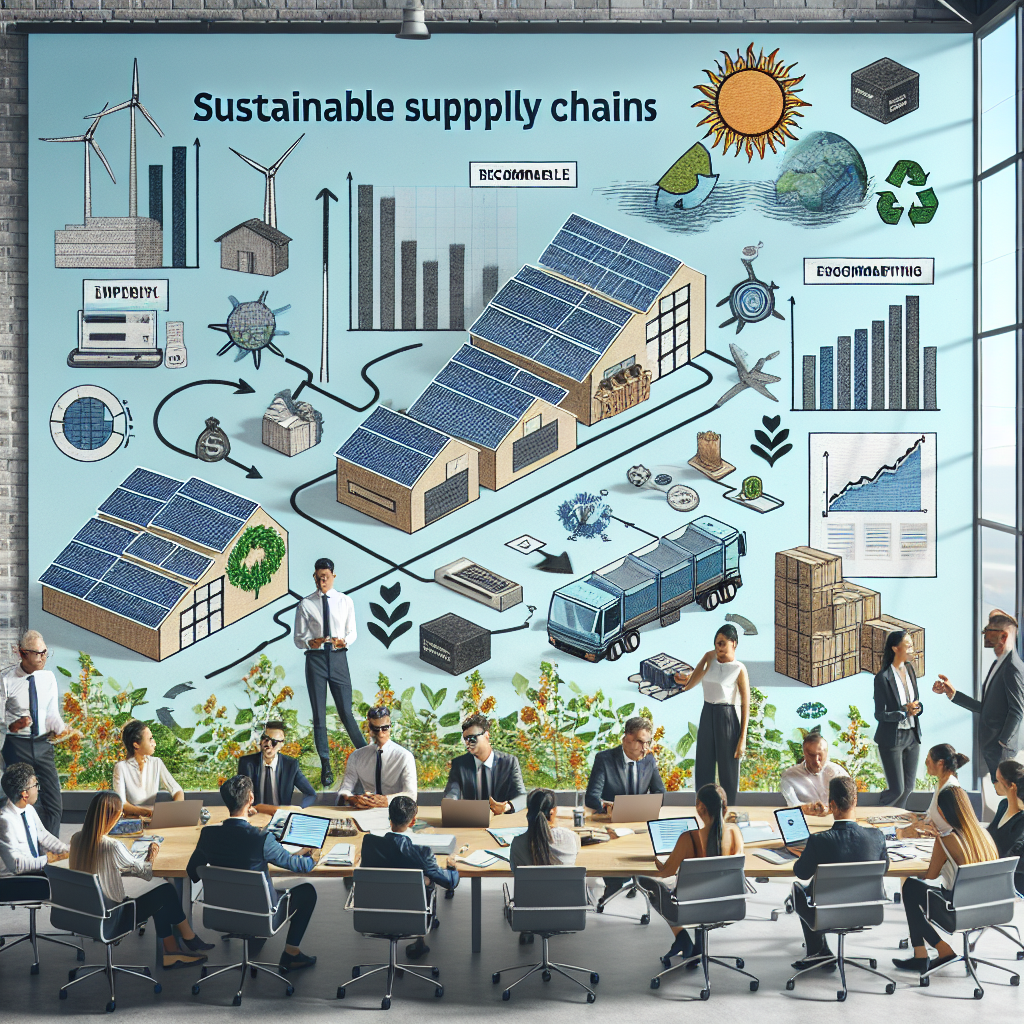
Sustainable Supply Chains: Trends and Strategies for the Modern Enterprise
As the world becomes increasingly interconnected and consumer expectations evolve, sustainability in supply chains has moved from a “nice-to-have” to a fundamental business imperative. Companies today are expected to ensure not only that their products are high quality and affordable—but that they are sourced, manufactured, and delivered with minimal environmental and social impact. In this article, we’ll explore the latest trends in sustainable supply chain management and outline actionable strategies that modern enterprises can adopt to secure a responsible and resilient future.
Why Sustainable Supply Chains Matter
Traditional supply chains have often prioritized cost, speed, and efficiency, sometimes at the expense of the environment and ethical labor practices. However, with increasing regulatory pressure, investor scrutiny, and consumer demand for transparency, unsustainable practices now pose significant reputational and financial risk. For modern enterprises, building a sustainable supply chain is key to unlocking new market opportunities, fostering innovation, and ensuring long-term competitiveness.
Key Trends Shaping Sustainable Supply Chains
- Transparency and Traceability: Digital advancements enable companies to map their entire supply chain, tracking the journey of materials from origin to end customer. Blockchain, RFIDs, and IoT devices are increasingly used for real-time data sharing and verification. This transparency helps identify inefficiencies and verify compliance with ethical and environmental standards.
- Circular Economy Practices: Enterprises are moving away from “take-make-dispose” models toward circular systems that prioritize reuse, remanufacturing, and recycling. This reduces waste, conserves resources, and can even lower costs in the long run.
- Carbon Reduction Initiatives: With global attention on climate change, more companies are setting “net zero” targets, adopting renewable energy, and implementing low-carbon logistics solutions such as electric fleets and optimized transportation routes.
- Supplier Engagement and Collaboration: Leading organizations recognize that sustainability is a shared journey. Collaborative platforms and shared data help align goals and practices, from Tier 1 suppliers down to raw material producers.
- Regulatory Compliance: Regulations like the EU Green Deal, US SEC climate disclosure rules, and global due diligence laws are reshaping what it takes to be supply chain compliant. Best-in-class organizations stay ahead by closely monitoring regulatory changes and integrating compliance into operations.
Strategies for Building a Sustainable Supply Chain
Modern enterprises can implement several core strategies to make their supply chains both more sustainable and resilient:
1. Supplier Assessment and Development
Evaluating suppliers according to sustainability criteria is foundational. Modern companies use supplier scorecards assessing environmental impact, labor standards, diversity, and innovation. Long-term partnerships, rather than transactional relationships, foster shared investments in training, process improvements, and technology upgrades needed for sustainable transformation.
2. Sustainable Sourcing and Material Innovation
Choosing raw materials with lower environmental footprints is a game-changer. This might involve sourcing certified sustainable timber, recycled metals, organic textiles, or bioplastic alternatives. Enterprises are increasingly co-developing new materials with suppliers and investing in R&D to ensure greener product lifecycles.
3. Reducing Transportation Emissions
Logistics is a major contributor to supply chain emissions. Companies are investing in route optimization software, consolidating shipments, using alternative fuels, and transitioning to electric vehicles. Additionally, near-shoring or reshoring aspects of production can reduce overall transportation-related carbon output.
4. Embracing Digitalization
Real-time data collection and analytics not only increase efficiency but also bring visibility to every stage of the supply chain. Digital twins, AI-powered demand forecasting, and end-to-end monitoring help companies quickly identify and resolve issues before they impact social or environmental outcomes.
5. Measuring and Reporting on Impact
Setting clear KPIs and regularly reporting on progress is essential for credibility and improvement. Sustainability reporting frameworks such as the Global Reporting Initiative (GRI), CDP, or the Task Force on Climate-related Financial Disclosures (TCFD) offer standardized methods for communicating results to stakeholders.
Success Stories: Leaders in Sustainable Supply Chains
Several global brands have showcased the business value of sustainable supply chains. For example, Unilever’s Sustainable Living Plan has led to more than 60% of its raw materials being sustainably sourced and improved trust with consumers. Similarly, companies like IKEA and Patagonia invest in sustainable innovation and speak transparently about both their progress and ongoing challenges.
Overcoming Challenges
Despite strong business cases, challenges persist. These include the higher up-front costs of new technologies, complex multi-tier supplier relationships, and inconsistent global regulatory frameworks. Overcoming these obstacles requires executive buy-in, adequate resourcing, and a long-term vision. Many enterprises find success through pilot programs, incremental rollouts, and by leveraging industry partnerships to share costs and learnings.
The Road Ahead
Sustainable supply chains are no longer a future ambition but a present necessity for competitive, compliant, and responsible business. By embracing innovation, fostering transparency, and engaging their suppliers and customers, modern enterprises not only reduce risks, but also unlock new sources of value. The transition may not always be easy, but those who act boldly today will shape a brighter and more sustainable tomorrow for business and society alike.
* The post is written by AI and may contain inaccuracies.
About Author