How to Build an Emergency Fund: Practical Steps for a Secure Future
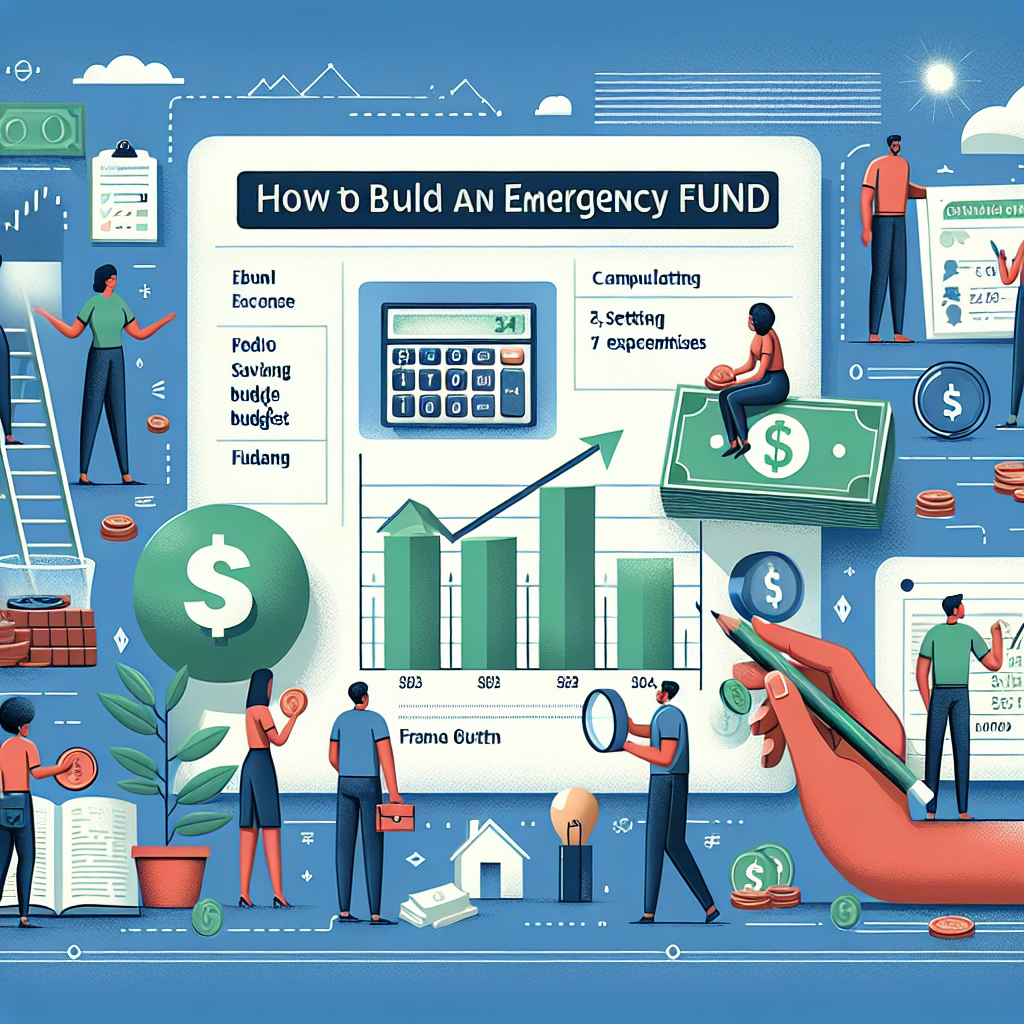
How to Build an Emergency Fund: Practical Steps for a Secure Future
Financial stability is crucial, but unforeseen events—a sudden job loss, medical emergency, or major car repair—can disrupt your finances in an instant. That’s where an emergency fund comes in. An emergency fund acts as a financial safety net, offering peace of mind and stability when life throws the unexpected your way. This article will walk you step by step through building your own emergency fund, even if you’re starting from scratch.
What is an Emergency Fund?
An emergency fund is a stash of money set aside specifically to cover life’s unexpected expenses. Unlike long-term savings for vacations or retirement, this fund is strictly for unforeseen financial emergencies. Ideally, it should be easily accessible but separate from regular checking accounts, to avoid temptation.
Why Do You Need an Emergency Fund?
Emergencies are unpredictable. They can drain your finances and force you into debt if you’re unprepared. An emergency fund helps you:
- Avoid high-interest debt from loans or credit cards
- Feel more secure and less stressed about the future
- Make better financial decisions during a crisis
- Protect your long-term financial goals
How Much Should You Save?
Most financial experts recommend setting aside three to six months’ worth of living expenses. However, any amount saved provides a safety net. Start with a manageable goal—such as $500 or $1,000—and build from there. Consider your personal situation (job stability, family size, medical needs) to determine the best target amount for you.
Practical Steps to Build Your Emergency Fund
1. Open a Dedicated Savings Account
Choose a separate savings account—ideally one that offers interest and is easy to access in emergencies. Online savings accounts are popular choices, offering higher interest rates and quick transfers.
2. Set a Realistic Goal
Determine the amount you want to save. Don’t be discouraged if reaching six months of expenses feels overwhelming. Break it down: aim for your first $500, then $1,000, and gradually work your way up.
3. Make Saving Automatic
Automate your savings by setting up recurring transfers from your checking to your emergency savings account. Even small, regular amounts add up over time. If you get paid on the 1st and 15th, schedule a $25 transfer each payday.
4. Build it Into Your Budget
Treat your emergency fund like a recurring monthly expense. Factor it into your budget just as you would for rent, groceries, or utilities. If your budget is tight, look for small expenses to cut back on—like dining out or subscription services—to free up savings.
5. Save Unexpected Cash
Direct windfalls, such as tax refunds, bonus checks, or birthday money, straight into your emergency fund. These one-time additions can boost your progress significantly.
6. Track Your Progress
Monitor your savings regularly. Many banks offer online tools to track your progress. Seeing your fund grow provides motivation and helps you stay committed.
When Should You Use Your Emergency Fund?
Reserve your emergency fund for genuine emergencies: unexpected medical bills, critical home repairs, sudden unemployment, or urgent travel. It’s not for planned expenses, bills you forgot, or impulse purchases. When you do use it, prioritize replenishing the fund as soon as you’re able.
How to Rebuild After Using Your Fund
If you need to dip into your emergency savings, don’t stress—it’s there to help. Return to your saving habits, increase your contributions if possible, and return your fund to its target amount. Building and rebuilding your fund is a continuous process.
Tips for Making It Stick
- Start small: Small steps are still progress. Every dollar matters.
- Avoid withdrawals for non-emergencies: Keep your fund truly for surprises.
- Build saving habits: Habits drive long-term success. Automate and prioritize savings in your budget.
- Celebrate milestones: Treat yourself (responsibly!) when you hit key savings goals.
Conclusion
Creating an emergency fund is one of the best financial moves you can make for peace of mind and security. No matter your income or financial situation, starting small and remaining consistent will help you achieve your goal. Prepare for the unexpected—and give yourself a secure foundation for whatever life brings next.
* The post is written by AI and may contain inaccuracies.
About Author