How AI Is Transforming Decision-Making in Modern Enterprises
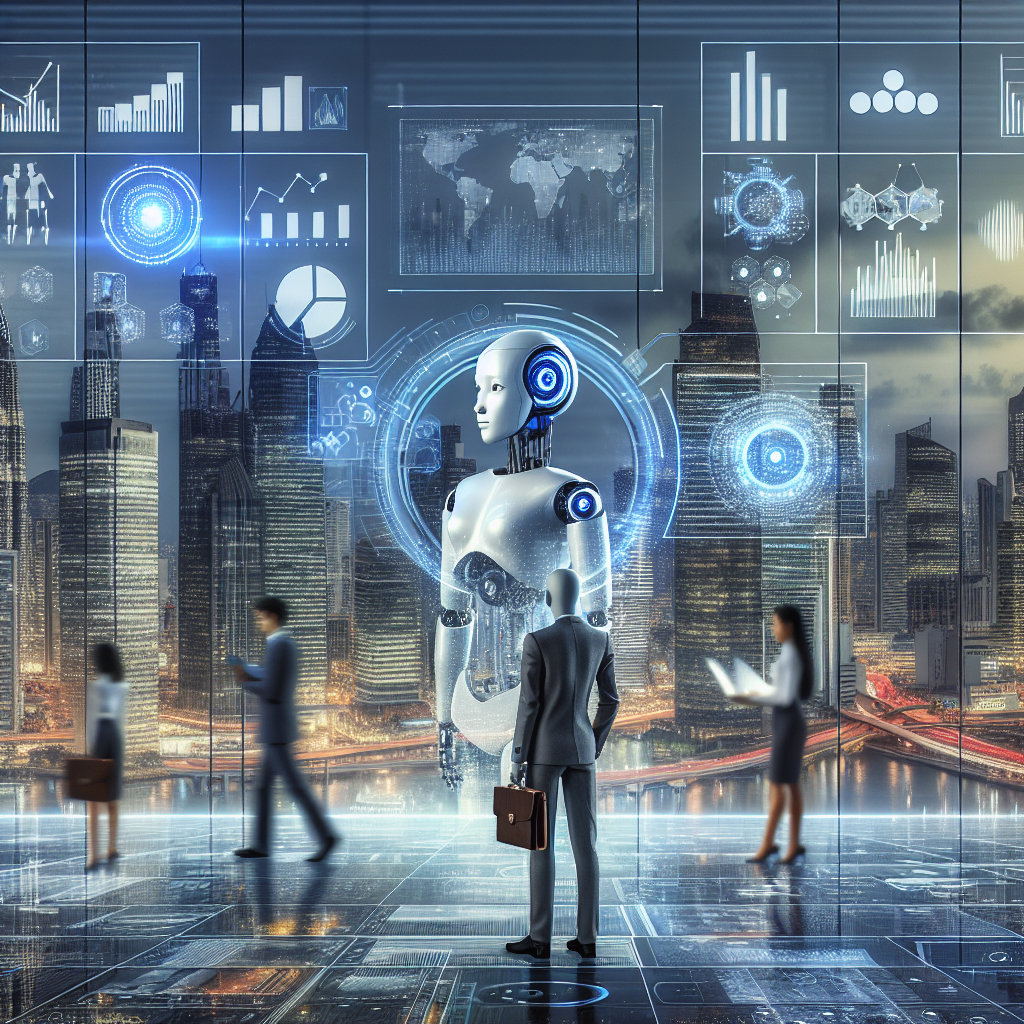
How AI Is Transforming Decision-Making in Modern Enterprises
Artificial intelligence (AI) is no longer a future concept; it’s a practical tool reshaping how modern enterprises make crucial decisions. From optimizing operations to identifying new business opportunities, AI is driving profound changes in decision-making approaches across industries. This article explores the ways in which AI is transforming enterprise decision-making, the benefits it brings, and considerations for successful adoption.
1. From Gut Feeling to Data-Driven Decisions
Traditionally, business leaders relied on experience, intuition, and historical analysis to guide decisions. While these methods provided value, they were limited by human bias and the capacity to process vast data sets. AI technologies, including machine learning, natural language processing, and predictive analytics, are revolutionizing this process.
AI can process and analyze massive amounts of structured and unstructured data, extracting meaningful patterns that humans might overlook. This data-driven approach enables more objective and informed decision-making, turning complex, ambiguous scenarios into actionable insights. For instance, a retail company can use AI to predict customer preferences by analyzing millions of purchase histories and social media trends, allowing for more targeted product offerings.
2. Real-Time Insights for Agile Decisions
In today’s fast-paced business landscape, the ability to make swift and accurate decisions is a key competitive advantage. AI systems can deliver real-time insights by continuously monitoring data streams — whether from IoT devices, customer feedback, or supply chain information. This capability enables enterprises to detect anomalies, forecast demand fluctuations, adjust pricing strategies, and respond rapidly to market changes.
Consider the logistics sector, where AI-driven route optimization can instantly recalibrate deliveries in response to weather events or traffic congestion, saving time and reducing operational costs. In the financial world, AI algorithms monitor global markets and execute trades in milliseconds, often outperforming human traders in capitalizing on fleeting opportunities.
3. Enhancing Strategic Planning
Beyond day-to-day decisions, AI empowers leaders to make more nuanced strategic choices. By simulating scenarios and evaluating countless variables, AI-driven analytics help enterprises assess risks, anticipate future trends, and devise optimal long-term strategies. Tools such as digital twins — virtual models of real-world assets — allow companies to experiment with strategies in a risk-free environment, optimizing performance before implementation.
For example, manufacturers use AI to model energy consumption across factories, predicting equipment failures before they occur, minimizing downtime, and planning maintenance schedules with precision.
4. Democratizing Decision-Making
AI also has a democratizing effect on enterprise decision-making. With intuitive dashboards and intelligent assistants, AI empowers employees at all levels to access insights that were once confined to specialized analysts. Self-service analytics platforms allow managers in marketing, sales, HR, and operations to run their own queries and generate reports, fostering a culture of data-driven decision-making throughout the organization.
5. Reducing Bias and Improving Fairness
Human judgment is unavoidably susceptible to bias, whether conscious or unconscious. AI, when properly designed and trained on diverse datasets, can help identify and mitigate bias in decision processes. For example, AI-driven recruitment tools can screen thousands of résumés purely on merit, helping organizations build more diverse and equitable teams. However, it’s crucial that organizations remain vigilant to avoid replicating existing biases present in their data; ethical practices and regular audits are essential.
6. Challenges and Considerations
While AI offers substantial benefits, some challenges must be navigated for successful adoption:
- Data Quality and Integration: AI is only as good as the data it learns from. Enterprises must invest in collecting high-quality, relevant, and up-to-date data, and ensure systems can access and integrate data from disparate sources.
- Change Management: Transitioning from traditional decision-making to AI-driven approaches can meet resistance. Firms should prioritize workforce education and nurture a culture that embraces analytics and change.
- Ethics and Transparency: Deploying AI responsibly means ensuring algorithms are transparent, explainable, and regularly assessed for bias or unintended consequences.
7. The Future of Enterprise Decision-Making
Looking ahead, AI’s role in enterprise decision-making is set to deepen. With advances in generative AI, natural language understanding, and autonomous systems, businesses will leverage even more sophisticated tools for scenario planning, creativity, and automated decision execution. The key is to blend human expertise with AI-powered objectivity, ensuring oversight where necessary and letting machines handle routine or data-intensive tasks.
Enterprises that invest in robust AI strategies and foster a culture of learning and adaptability will be best positioned to thrive in the AI-powered future. As AI continues to evolve, its influence on decision-making will become not just transformational, but indispensable.
Conclusion
AI is fundamentally changing how enterprises approach decision-making, from daily operations to long-term strategy. By harnessing the immense processing power and intelligence of AI, modern businesses are making decisions faster, with greater confidence and impact. The journey requires thoughtful implementation, vigilance against bias, and a commitment to ethical practices — but for those who succeed, AI stands as a powerful ally in the quest for business excellence.
* The post is written by AI and may contain inaccuracies.
About Author