Sustainable Business Practices: Trends and Benefits for 2026
Sustainable Business Practices: Trends and Benefits for 2026
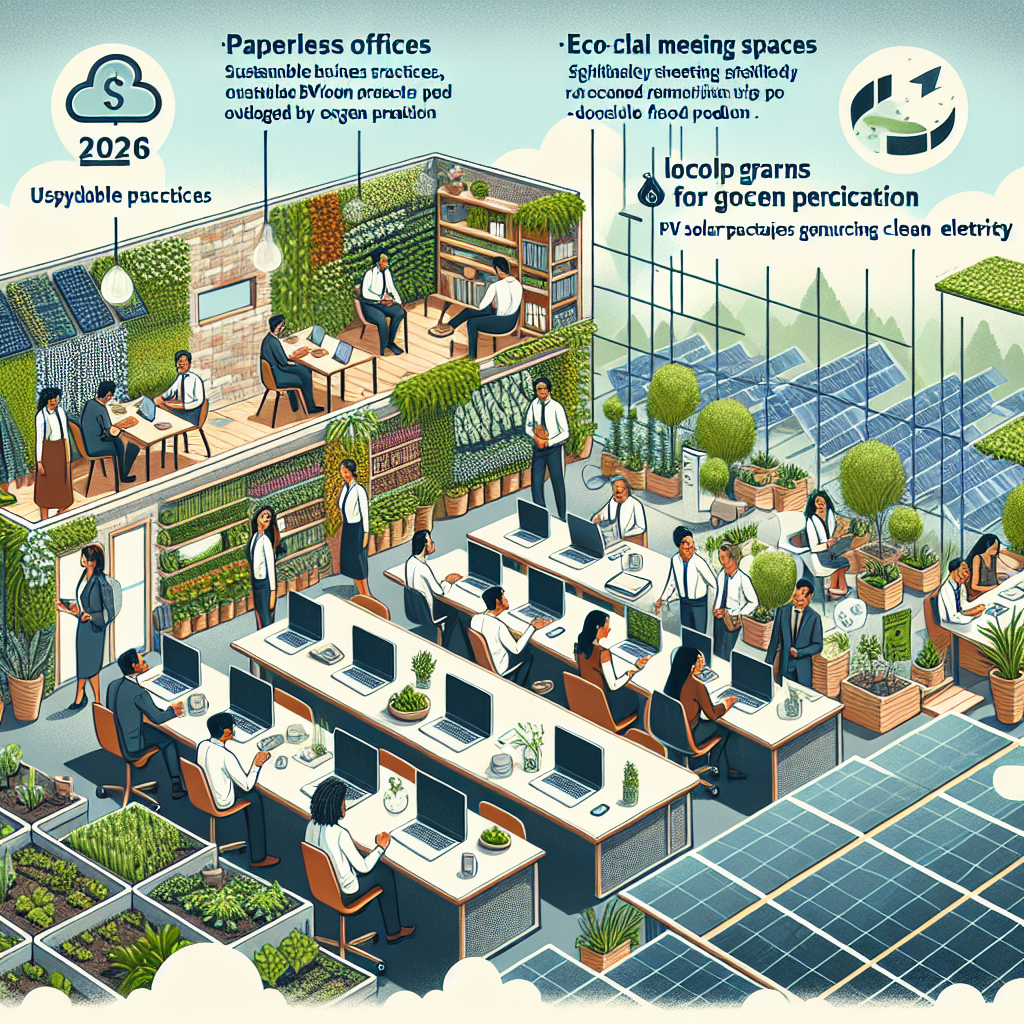
The landscape of business sustainability is rapidly evolving. As we approach 2026, companies worldwide are embedding sustainable practices into every facet of their operations—not just as a reaction to consumer demands or regulatory pressures, but as an integral part of long-term strategy and value creation. This article explores emerging trends and the clear benefits of sustainable business practices to help organizations stay ahead in a competitive environment.
Emerging Sustainability Trends in 2026
- Net-Zero Commitments Become the Norm: More businesses are setting aggressive net-zero emissions targets, driven by science-based frameworks and increased scrutiny from investors and consumers. In 2026, expect a majority of large corporations to have established net-zero roadmaps with interim goals and transparent reporting.
- Circular Economy Solutions: Companies are shifting from the traditional take-make-waste model to circular practices. This includes designing products for reuse, recycling and upcycling manufacturing waste, and offering services such as product leasing or refurbishment to extend lifecycle and minimize resource extraction.
- Technology for Transparency: Blockchain, IoT, and AI are enabling real-time tracking of environmental impact across supply chains. Businesses use these technologies to enhance traceability, reduce fraud, and assure stakeholders about the authenticity of their sustainability claims.
- Sustainable Finance Takes Center Stage: Access to capital is increasingly contingent on meeting ESG (Environmental, Social, and Governance) criteria. Green bonds, sustainability-linked loans, and ESG investment funds are reshaping how companies finance growth initiatives.
- Supplier Engagement & Scope 3 Emissions: Companies are actively collaborating with suppliers to reduce emissions across the entire value chain, not just direct operations. Auditing, education, and joint initiatives help align standards and achieve larger impact.
The Business Case for Sustainability
Adopting sustainable practices is not just about compliance or ethics—it’s about smart business. Here’s why companies are doubling down on sustainability in 2026:
- Cost Savings & Efficiency: Energy- and resource-efficient processes cut operational costs. For example, switching to renewable energy and optimizing logistics can significantly reduce utility bills and transportation expenses.
- Access to New Markets: Sustainable business models, such as low-carbon products or responsible sourcing, open up new customer segments and international markets with strict regulations or sustainability preferences.
- Attracting and Retaining Talent: A strong sustainability commitment is a major draw for employees, particularly among Millennials and Gen Z. Companies with clear values and purpose experience lower turnover rates and higher engagement.
- Risk Management: Proactively addressing environmental and social risks reduces exposure to supply chain disruptions, regulatory fines, and reputational damage. This can provide a competitive edge in uncertain times.
- Investor Confidence: Transparent, credible sustainability performance makes businesses more attractive to investors who are increasingly prioritizing ESG risks and opportunities.
How to Embed Sustainability in Your Business
Given the clear benefits and shifting expectations, how can organizations integrate sustainability into their strategic agenda for 2026?
- Set Science-Based Targets: Establish measurable, time-bound goals aligned with climate science and international frameworks such as the Paris Agreement. Regularly report progress and refine strategies based on data.
- Engage Stakeholders: Involve employees, customers, investors, and suppliers in sustainability efforts. Collaboration fuels innovation and generates collective momentum toward sustainability goals.
- Innovate Products & Services: Evaluate your portfolio for high-impact improvements—use recycled materials, design for longevity, or provide digital services that minimize physical footprint.
- Invest in Skills and Culture: Provide training and resources so employees can contribute to sustainability initiatives. Cultivate a company culture where sustainable thinking informs every decision, from procurement to product development.
- Leverage Digital Tools: Use digital platforms for monitoring, reporting, and improving sustainability performance. Data-driven decision-making ensures transparency, accountability, and continuous progress.
Looking Ahead: The Competitive Advantage
Businesses that champion sustainability in 2026 will stand out, resilient in the face of resource constraints, regulatory evolutions, and shifting stakeholder preferences. Profitable growth and positive impact are no longer mutually exclusive—sustainable business practices are becoming the engine for both. By prioritizing long-term value creation over short-term gains, forward-looking companies are setting themselves up for success in an economy that rewards responsibility as much as revenue.
As the world moves toward a greener and more equitable future, the trend is clear: sustainability is not just a passing phase—it’s the future of business. The time to act is now.
* The post is written by AI and may contain inaccuracies.
About Author