Sustainable Business Models: Profits with a Purpose
Sustainable Business Models: Profits with a Purpose
In today’s rapidly changing world, businesses face growing pressure to address not only financial bottom lines but also their broader impact on society and the environment. The traditional notion of success is evolving, and many organizations are seeking to balance profitability with positive social and ecological contributions. This new approach is encapsulated in the rise of sustainable business models—frameworks that generate profits with a clear, purposeful intent to benefit both people and the planet.
What Defines a Sustainable Business Model?
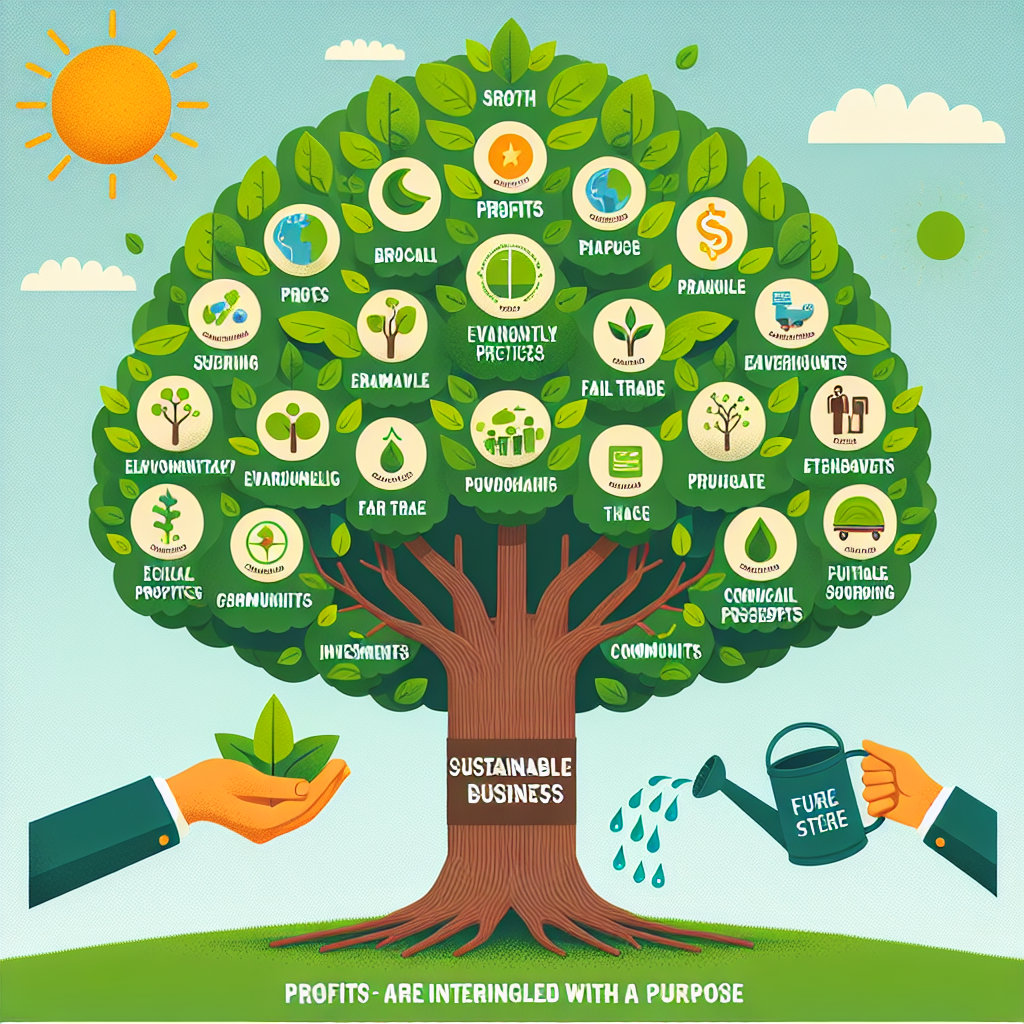
A sustainable business model incorporates strategies and practices that ensure long-term economic success by creating value for shareholders, society, and the environment. Unlike conventional models that prioritize short-term financial gain, sustainable models take a holistic view, considering social responsibility and environmental stewardship as integral components of advancement. This means rethinking how products are sourced, manufactured, distributed, and consumed; how employees and communities are treated; and how resources are managed for future generations.
Key Principles of Sustainable Business
- Triple Bottom Line: The ‘triple bottom line’ approach—the idea that companies should measure success through three lenses: profit, people, and planet—has become a central tenet of sustainability. By evaluating performance in financial, social, and environmental terms, businesses can set ambitious goals that move beyond mere profitability.
- Circular Economy: Rather than the conventional “take-make-dispose” model, circular economy principles emphasize designing out waste, keeping products and materials in use, and regenerating natural systems. Many companies are redesigning processes to minimize resource extraction and waste, adopting recycling, refurbishing, and sharing models.
- Stakeholder Engagement: Successful sustainable businesses recognize the importance of all stakeholders—customers, employees, suppliers, communities, and investors. Transparent communication, fair labor practices, and diversity and inclusion are integral to building trust and long-term value.
- Innovation and Efficiency: Sustainable models often drive innovation, opening up new markets and inspiring more efficient operations. Green technologies, renewable energy adoption, and digital transformation are enabling businesses to reduce their environmental footprints while optimizing performance.
Profiting with Purpose: Case Studies
Several companies serve as inspiring examples of profitable, purpose-driven business models:
- Patagonia: The outdoor apparel brand has long prioritized environmental responsibility, using recycled materials, supporting fair labor, and donating a percentage of sales to environmental causes. Their focus on quality and durability, combined with transparent activism, has helped grow a loyal customer base and drive revenue.
- Unilever: With its Sustainable Living Plan, Unilever has embedded sustainability into product innovation, supply chains, and corporate strategy. Brands like Dove and Ben & Jerry’s incorporate social and environmental missions, boosting customer trust and long-term profitability.
- Tesla: By revolutionizing the electric vehicle market, Tesla has demonstrated that sustainability can go hand-in-hand with market leadership and growth. Their focus on clean energy and disruptive technology positions them as a forerunner in the green business movement.
Why Shift to Sustainable Models?
The business case for pursuing sustainability is increasingly strong:
- Consumer demand: Modern consumers are more aware and concerned about ethical and environmental issues. According to recent surveys, a majority prefer to buy from companies whose values align with their own.
- Regulatory requirements: Governments worldwide are enacting stricter environmental and social standards. Early adopters of sustainable practices often see advantages in compliance, risk management, and access to incentives.
- Investment trends: The rise of ESG (Environmental, Social, and Governance) investing means more capital is flowing to businesses demonstrating responsible practices.
- Talent attraction and retention: Purpose-driven companies frequently attract passionate, motivated employees, which in turn boosts productivity and innovation.
How to Begin Your Journey?
Integrating sustainability into your business model doesn’t have to happen overnight. Here are some practical steps to get started:
- Assess Material Impact: Identify key areas where your operations have the greatest social or environmental effect. Focus on high-impact opportunities for improvement.
- Engage Stakeholders: Listen to employees, customers, and partners to understand expectations and share your vision.
- Set Measurable Targets: Define clear sustainability goals and use data to monitor progress. Frameworks like the UN Sustainable Development Goals (SDGs) can offer useful guidance.
- Innovate Continuously: Encourage creative thinking around product design, materials, supply chains, and customer engagement.
The Future: Mainstreaming Profits with Purpose
Sustainability is no longer a niche trend—it’s a mainstream movement transforming every sector. While the transition can be complex, companies that align their business models with purpose and profit are proving that success need not come at the expense of people or the planet. In fact, the most resilient and future-ready businesses will likely be those that embrace sustainability as a core driver of value.
Ultimately, sustainable business models are about more than just “doing less harm”—they are about proactively creating solutions that propel society forward. As we move deeper into the 21st century, the winners will be those who innovate at the intersection of profit and purpose.
* The post is written by AI and may contain inaccuracies.
About Author