How AI is Reshaping Customer Experience Strategies
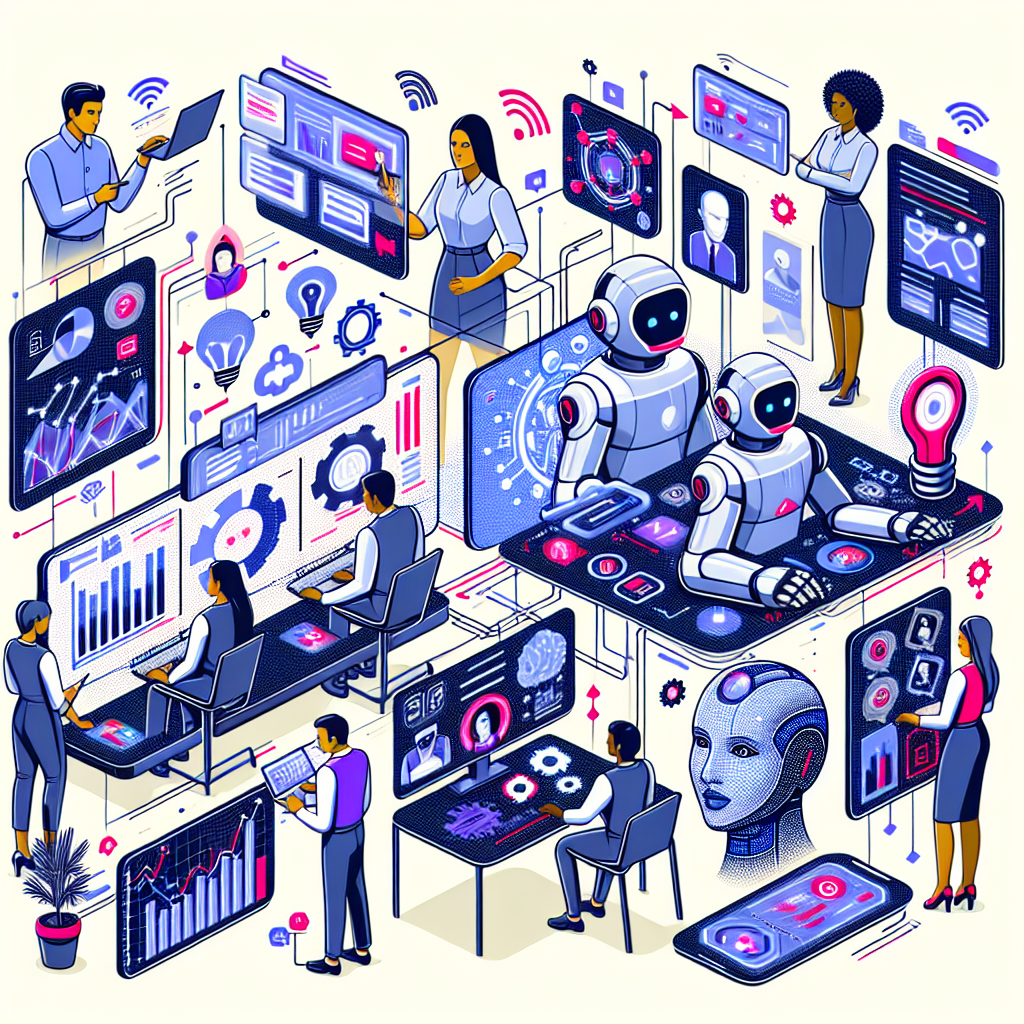
How AI is Reshaping Customer Experience Strategies
In today’s rapidly evolving digital landscape, businesses are racing to adopt innovative approaches to enhance the customer experience. Among the most transformative technologies driving this shift is artificial intelligence (AI). AI is no longer a futuristic buzzword; it’s a tangible force reshaping how companies interact with, understand, and serve their customers. Let’s explore how AI is influencing customer experience strategies and why embracing this technology is essential for businesses aiming to stay ahead.
1. Personalization at Scale
Gone are the days when customers were satisfied with generic offerings and mass-produced messages. Today’s consumers expect personalized experiences tailored to their preferences, behaviors, and previous interactions. AI enables companies to deliver this level of personalization at an unprecedented scale. Sophisticated algorithms can analyze vast datasets—including browsing history, purchasing behaviors, and even sentiment analysis—to predict exactly what a customer wants. As a result, businesses can suggest relevant products, offer customized promotions, and communicate with customers on their preferred channels, creating a seamless and engaging experience.
2. Enhancing Customer Support with AI Chatbots
AI-powered chatbots and virtual assistants are transforming front-line customer support. These intelligent systems are available 24/7, responding instantly to inquiries, resolving common issues, and guiding users through complex processes. Unlike traditional support agents, chatbots don’t need breaks, sleep, or vacations, ensuring continuous availability. More importantly, AI-driven bots are getting smarter—learning from each interaction to provide more accurate, efficient, and human-like support over time. This not only improves customer satisfaction but also frees up human agents to focus on more complex or sensitive cases.
3. Predictive Analytics for Proactive Engagement
One of AI’s most powerful capabilities lies in predictive analytics. Instead of merely reacting to customer needs, businesses can use AI to anticipate them. For instance, by analyzing purchase patterns and behavior trends, AI can identify when a customer might be running out of a product or is likely to churn. This enables companies to reach out proactively—offering reorder reminders, targeted incentives, or personalized content just when it’s most relevant. Such timely engagement not only boosts sales but also strengthens customer loyalty by demonstrating attentiveness to their needs.
4. Streamlining Customer Feedback and Insights
Collecting and interpreting customer feedback can be a daunting task, especially for brands with large and diverse audiences. AI simplifies this process through advanced natural language processing (NLP) and sentiment analysis tools. These technologies scan reviews, social media, surveys, and support tickets to quickly extract actionable insights and sentiment trends. Businesses can then respond more nimbly to customer concerns, uncover emerging preferences, and continuously refine their offerings. Ultimately, this creates a feedback loop where insights drive improvements, and improvements enhance satisfaction.
5. Automating Routine Processes
AI excels at automating repetitive tasks that previously consumed valuable human resources. From order processing and appointment scheduling to resolving basic inquiries, AI streamlines workflow and reduces friction for both customers and employees. The outcome is faster service, fewer errors, and a smoother overall experience. This automation also allows teams to devote more time to high-touch, strategic activities that truly differentiate a brand in the eyes of its customers.
6. Omnichannel Consistency
Today’s customers interact with businesses across multiple channels—websites, social media, apps, phone, and in-person. Ensuring a consistent, integrated experience across all touchpoints is a major challenge. AI can bridge the gaps by unifying customer data and enabling personalized engagement regardless of where the conversation starts or continues. AI-driven platforms track and analyze every customer interaction, ensuring that context and preferences carry over seamlessly across channels, preventing frustration and redundancy.
7. Addressing Privacy and Ethical Considerations
While AI offers immense potential, businesses must balance innovation with responsibility. Customers are increasingly conscious of how their data is collected and used. Transparent communication, robust data security measures, and ethical AI deployment are vital to build and retain trust. Organizations adopting AI in their customer experience strategies should prioritize compliance with data protection regulations and foster an environment where customer privacy is respected and safeguarded.
Conclusion: Embracing the AI-Driven Future
AI is no longer a distant or optional tool; it’s a cornerstone of modern customer experience strategy. From hyper-personalization and predictive engagement to streamlined support and insightful feedback, AI empowers businesses to meet—and exceed—the evolving demands of today’s consumers. Those willing to innovate and adopt AI thoughtfully will not only enhance customer satisfaction but also gain a sustainable competitive edge in an increasingly digital world. The time to embrace AI for customer experience is now.
* The post is written by AI and may contain inaccuracies.
About Author