How AI is Revolutionizing Customer Service
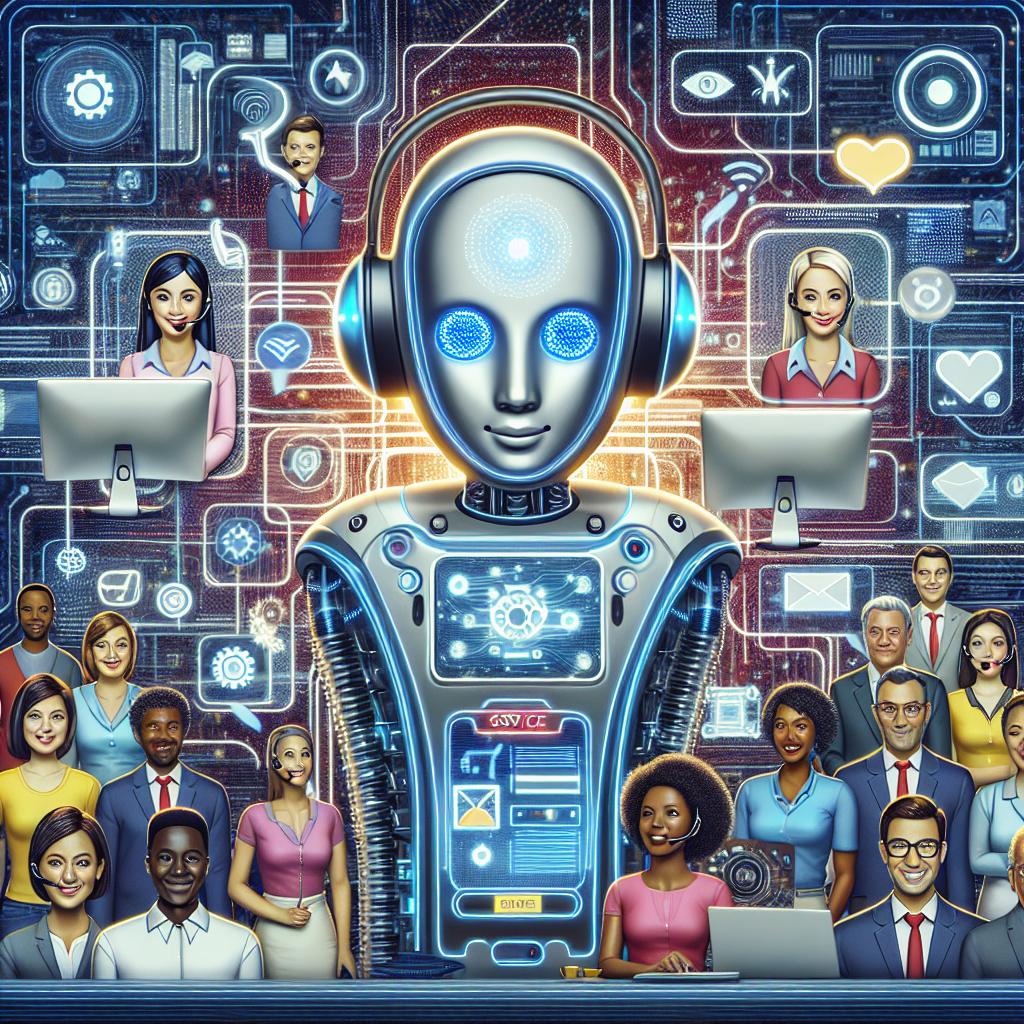
How AI is Revolutionizing Customer Service
Customer service has always been at the heart of successful businesses. In today’s fast-paced world, customers expect instant responses, tailored solutions, and genuine interactions. Meeting these expectations can be challenging, especially as companies grow and the volume of inquiries surges. This is where Artificial Intelligence (AI) comes in, fundamentally transforming the customer service landscape.
The Evolution from Manual to AI-Powered Support
Traditional customer service relied heavily on human agents, phone calls, and emails. While personal, these channels often suffered from long response times and inconsistent support quality. As technology advanced, companies introduced chatbots and automated emails. However, early systems were limited, offering scripted and sometimes frustrating user experiences.
The advent of AI has changed the game. Today, AI-powered customer service platforms leverage machine learning, natural language processing (NLP), and big data analytics. These smart systems don’t just answer queries; they learn, adapt, and deliver increasingly personalized and efficient service.
AI Chatbots: The Frontline of Customer Interaction
Modern AI chatbots can simulate human conversation and handle a wide array of tasks around the clock. Unlike their predecessors, these bots understand context and intent, thanks to advances in NLP. They can resolve common issues, answer FAQs, process orders, and escalate more complex problems to human agents.
The benefits are clear: instant support, reduced wait times, and consistent answers. For businesses, AI chatbots can manage thousands of conversations simultaneously, enabling support teams to focus on more nuanced or sensitive issues. As these bots learn from every interaction, their responses become more accurate and helpful over time.
Personalization and Proactive Service
Perhaps the most exciting aspect of AI in customer service is its ability to deliver personalization at scale. By analyzing customer data and past interactions, AI systems can anticipate needs, suggest relevant products, and tailor responses. This proactive approach not only increases customer satisfaction but also builds loyalty.
For instance, AI can identify customers who might be experiencing issues—such as a failed payment or delayed shipment—and reach out with solutions before the customer even initiates contact. This level of service demonstrates a company’s commitment to its customers and sets it apart from competitors.
AI-Powered Insights for Continuous Improvement
AI isn’t just transforming how businesses interact with customers; it’s also revolutionizing how they understand them. By analyzing data from support tickets, chat logs, and social media, AI uncovers patterns in customer behavior, common pain points, and emerging trends.
These insights enable companies to refine their products, services, and support processes. They can identify areas needing improvement, forecast spikes in inquiries, and allocate resources more effectively. In turn, this leads to a more responsive and agile customer service operation.
Reducing Costs and Increasing Efficiency
Implementing AI in customer service delivers significant cost savings. By automating routine tasks and inquiries, businesses reduce the need to maintain large support teams. Human agents can then focus on complex or high-value interactions where empathy and problem-solving are crucial.
Additionally, AI systems can work 24/7, supporting customers in different time zones without breaks or downtime. This constant availability enhances the customer experience and allows businesses to operate globally without exponentially increasing operational costs.
Overcoming Challenges and Ensuring Human Touch
Despite the immense benefits, there are challenges to consider. AI systems must be trained on diverse, high-quality data to avoid bias and deliver accurate results. Also, not every customer query can be effectively handled by AI—some situations require human empathy, judgment, or creativity.
The best approaches combine AI with human agents, creating seamless, hybrid support experiences. AI can handle repetitive queries and streamline processes, while human agents address unique or emotionally charged situations. This ensures that technology enhances, rather than replaces, the personal touch that great customer service is known for.
The Future of AI in Customer Service
As AI technology continues to advance, expect even more sophisticated applications in customer service. From voice assistants that understand multiple languages to predictive analytics that solve issues before customers notice them, the possibilities are vast.
Companies that embrace AI today are setting themselves up to meet the expectations of tomorrow’s customers. By blending speed, personalization, and efficiency with the human touch, AI-driven customer service is not just a trend—it’s the future of exceptional customer experiences.
Conclusion: Artificial Intelligence is revolutionizing customer service by automating routine tasks, delivering personalized experiences, and enabling businesses to operate on a global scale. While challenges remain, the synergy of humans and AI is shaping customer service into a smarter and more responsive field—one where every customer feels valued and understood.
* The post is written by AI and may contain inaccuracies.
About Author