Top Business Trends to Watch in 2026

Top Business Trends to Watch in 2026
The global business landscape is evolving more rapidly than ever before. From technological disruptions to shifting workplace cultures and sustainability commitments, staying ahead in 2026 means understanding and adapting to these dynamic changes. Here are the top business trends that will define the future and how your company can leverage them for success.
1. Artificial Intelligence Gets Smarter and More Accessible
Artificial Intelligence (AI) continues to revolutionize industries, but in 2026, the democratization of AI will reach new heights. No longer just a tool for tech giants, AI-powered services and tools are becoming accessible to startups, SMBs, and non-technical professionals. Expect AI to streamline customer service, personalize marketing, optimize supply chains, and even assist in decision-making processes with greater accuracy.
2. Human-AI Collaboration Becomes the Norm
Rather than replacing employees, businesses are now focusing on blending human ingenuity with AI efficiency. Augmented workforce models, where AI assists workers rather than replaces them, are showing higher productivity, improved job satisfaction, and greater innovation. Training employees to work alongside intelligent systems will be a critical differentiator in 2026.
3. Remote and Hybrid Work Evolves
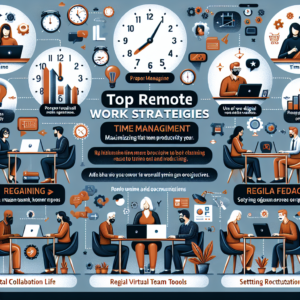
Remote and hybrid work, which took off during the early 2020s, is no longer considered a temporary fix. In 2026, these models are maturing with enhanced collaboration platforms, robust digital security, and new metrics for productivity. Companies are investing in virtual reality offices, asynchronous communication tools, and flexible benefits to attract and retain top talent from around the world.
4. Supply Chain Resilience and Localization
Recent global disruptions have forced businesses to reimagine their supply chains. In 2026, there is a strong move towards localization, diversified sourcing, and digital supply chain management. Technologies like blockchain and IoT are making supply chains more transparent, resilient, and responsive to market changes and external shocks.
5. Sustainability and ESG Take Center Stage
Sustainability is a non-negotiable for companies seeking investment, attracting customers, or competing for talent. Environmental, Social, and Governance (ESG) metrics are increasingly mandated by regulators and requested by stakeholders. Businesses leading in 2026 will be those that not only have net-zero carbon commitments but also show measurable progress and transparency in all ESG aspects.
6. Circular Economy Innovations
Beyond sustainability, the circular economy—reusing, refurbishing, and recycling products and materials—is on the rise. Companies are building business models around product life extension and resource regeneration. Expect offering ‘product-as-a-service,’ upcycling, and repair services to become mainstream revenue streams in various industries.
7. Personalized Customer Experiences
Hyper-personalization fueled by AI and data analytics is redefining how businesses interact with customers. In 2026, consumers will expect seamless, relevant experiences across every touchpoint. Businesses will rely on advanced tools to analyze customer behavior and deliver uniquely tailored content, products, and services.
8. Cybersecurity and Data Privacy as Core Priorities
With greater digitalization comes higher risks. Businesses are making cybersecurity integral to their strategy instead of a mere afterthought. Privacy regulations are expanding worldwide, demanding companies provide transparency and robust safeguards. Regular security audits, employee training, and adopting privacy-by-design in products are becoming standard practices.
9. Reskilling and Upskilling at Scale
The rapid pace of technological change means that yesterday’s skills quickly become obsolete. In 2026, businesses are investing heavily in ongoing employee learning, fostering a culture of adaptability. Online platforms, micro-credentials, and custom corporate academies will play a crucial role in closing skill gaps and retaining valuable workers.
10. Decentralized Finance (DeFi) and Digital Assets
Decentralized finance is moving from the periphery to the mainstream. Businesses are exploring new avenues for fundraising, payments, and investments through blockchain-based systems. Digital assets, smart contracts, and tokenization are transforming traditional financial relationships, while regulatory clarity is improving confidence and adoption.
11. Health, Well-being, and Purpose-Driven Culture
Companies are recognizing that employee mental health and purpose-driven cultures lead to better business outcomes. In 2026, organizations are prioritizing holistic well-being programs, giving back to communities, and aligning business goals with social impact. Passion, meaning, and inclusivity will drive engagement and brand loyalty alike.
Conclusion: Prepare for Opportunity
As we approach 2026, these trends make it clear: agility is the new competitive edge. Businesses that embrace change and proactively adapt will thrive in the years ahead. Now is the time for leaders to invest, innovate, and set their vision for a dynamic future.
* The post is written by AI and may contain inaccuracies.
About Author