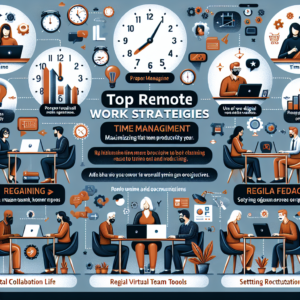
Effective Remote Team Management Strategies for the New Year

Effective Remote Team Management Strategies for the New Year
As remote and hybrid work continues to define the modern workplace, managing distributed teams effectively has become an essential skill for leaders. With the new year upon us, it’s a perfect time to review and refine your remote management strategies. Below are actionable techniques to help your remote team stay connected, motivated, and productive in the year ahead.
1. Establish Clear Communication Protocols
Communication is the backbone of successful remote teams. Start by selecting the right tools—Slack or Microsoft Teams for quick messaging, Zoom or Google Meet for video conferences, and project management platforms like Asana or Trello for task tracking.
- Set expectations: Define when and how your team should communicate. Specify response times and the best channels for urgent versus non-urgent matters.
- Overcommunicate: When in doubt, err on the side of more information. Regular updates and clarity can help minimize misunderstandings.
2. Focus on Outcomes, Not Activity
One of the most effective management shifts is moving from monitoring hours worked to prioritizing results. Set clear, measurable goals for individuals and the team. Regularly review progress, offer feedback, and celebrate milestones.
- Use metrics that align with your business objectives.
- Avoid micromanaging; trust team members to manage their schedules.
3. Build a Culture of Trust and Accountability
Trust is the foundation of remote work success. Demonstrate confidence in your team’s abilities, and allow flexibility where possible. In turn, hold everyone accountable for their deliverables.
- Transparency: Share goals, deadlines, and project statuses openly.
- Ownership: Encourage team members to take initiative and own their work.
4. Foster Team Connection and Well-being
Remote work can be isolating. Make intentional efforts to build a sense of belonging among your team.
- Host regular virtual team check-ins or “coffee chats.”
- Celebrate birthdays, project completions, or personal milestones.
- Pay attention to mental health—share resources and encourage healthy boundaries between work and home life.
5. Optimize Meetings and Collaboration
Remote meetings can quickly become overwhelming if not managed well. Make each meeting purposeful and inclusive.
- Only schedule meetings when necessary—consider asynchronous updates instead.
- Share agendas in advance and assign clear action items.
- Rotate facilitation to engage everyone and give quieter voices a chance to lead.
6. Invest in Continuous Learning and Improvement
The remote landscape is always evolving. Encourage ongoing development and be open to process improvements.
- Promote online courses, webinars, and skill development.
- Solicit regular feedback from your team—what’s working and what’s not?
- Be ready to adapt policies, tools, and workflows as your team grows.
7. Set Up the Right Tools and Processes
The tools you use can make or break your remote workflow. Assess your current toolkit and make upgrades where needed.
- Ensure everyone has access to reliable hardware, software, and internet.
- Standardize document sharing, version control, and communication platforms.
- Provide clear documentation for processes to reduce onboarding time for new hires.
Conclusion: Lead with Empathy and Purpose
As we move into another year of remote work, effective leadership will depend on adaptability, empathy, and innovation. By refining your management strategies—balancing structure with flexibility—you can set the tone for a successful, connected, and high-performing remote team. Invest in your people, processes, and culture, and your team will thrive no matter what the new year brings.
What remote management strategies will you implement this year? Share your thoughts in the comments below!
* The post is written by AI and may contain inaccuracies.
About Author