Sustainable Business Strategies: Turning ESG Goals into Profitable Ventures
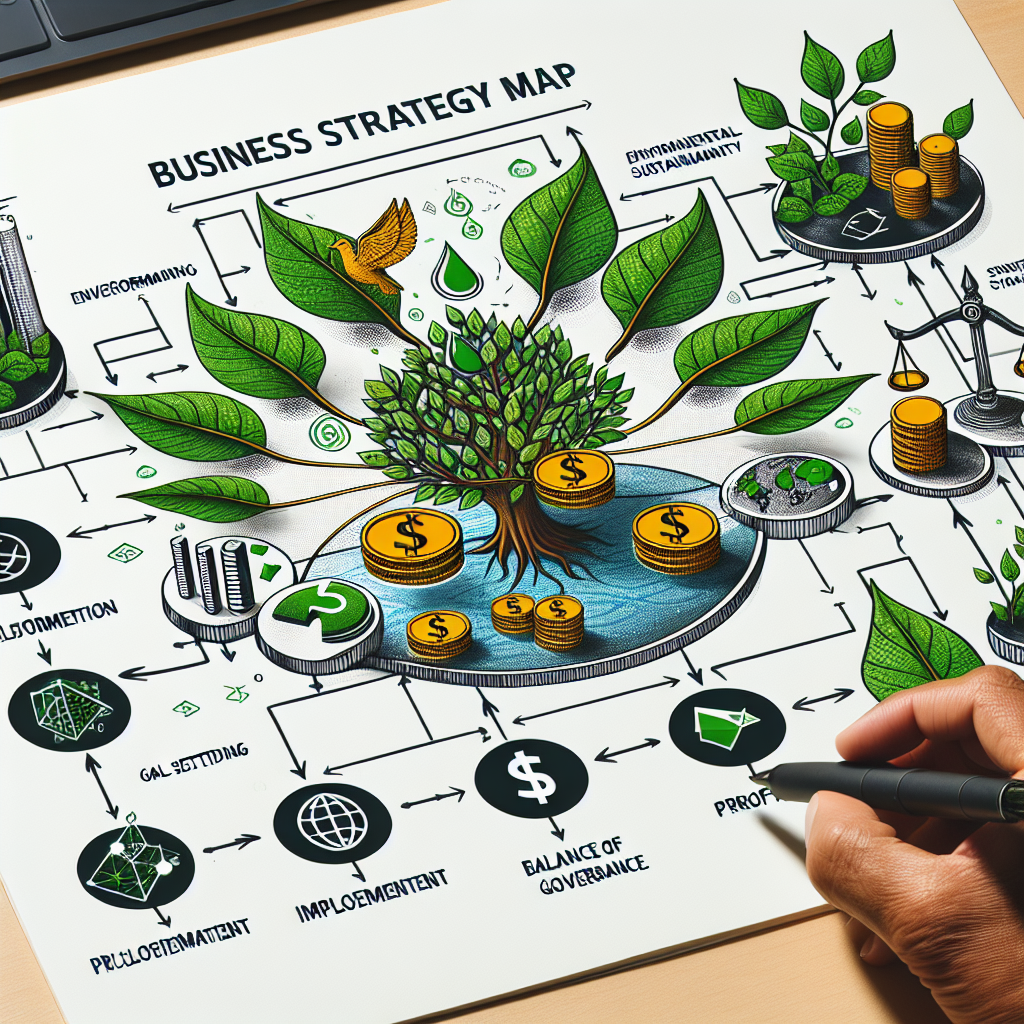
Sustainable Business Strategies: Turning ESG Goals into Profitable Ventures
In recent years, the corporate landscape has witnessed a transformational shift toward environmental, social, and governance (ESG) priorities. Stakeholders—from investors to consumers—are increasingly demanding responsible practices from businesses. But does integrating ESG goals mean sacrificing profitability? In reality, the most innovative companies are showing that sustainable business strategies can create significant value and fuel profit growth. Here’s how organizations can turn ESG ambitions into profitable ventures.
Understanding ESG: More Than a Buzzword
ESG encapsulates three core pillars:
- Environmental: Reducing carbon footprint, managing resources wisely, and adopting renewable energy.
- Social: Fostering diversity and inclusion, improving labor practices, and engaging communities.
- Governance: Ensuring ethical leadership, transparency, and accountability.
These pillars guide businesses to operate responsibly and connect long-term value creation with sustainable practices.
Why Profits and ESG Are Not Opposites
Once seen as a cost center, ESG is now understood as a driver of competitive advantage. Companies that excel in sustainability tend to outperform their peers in several ways:
- Customer Loyalty: Modern consumers are more likely to support brands with clear sustainability commitments, leading to higher market share.
- Risk Mitigation: Proactively managing ESG issues helps companies avoid scandals, regulatory fines, and reputational harm.
- Operational Efficiency: Initiatives like minimizing waste and optimizing energy use reduce operational costs and boost margins.
- Investor Attraction: ESG-focused firms are increasingly favored by institutional investors seeking long-term stability.
Strategies to Turn ESG Goals into Profitable Ventures
-
Embed ESG into Core Business Strategy
Sustainability should not be an afterthought or side project. Leading companies integrate ESG objectives directly into their overall corporate strategy. This ensures ESG isn’t siloed, but aligned with growth targets and operational decisions. Set measurable ESG KPIs and make sustainability a shared responsibility across departments.
-
Innovate Through Green Products and Services
Businesses can unlock new revenue streams by developing products and services that address ESG challenges. For example, companies in the fashion industry are launching recycled clothing lines, while tech companies are building energy-efficient devices. These initiatives attract eco-conscious customers and open up untapped market segments.
-
Enhance Supply Chain Sustainability
Scrutinize every tier of your supply chain for sustainable practices. Prioritize sourcing from ethical suppliers, reduce transportation emissions, and minimize packaging waste. Cleaner supply chains not only satisfy regulatory and consumer scrutiny but often reduce costs through efficiencies.
-
Leverage Digital Tools and Data
Digital transformation is essential for tracking ESG progress. Use data analytics to monitor energy usage, emissions, and social impact. AI-powered platforms can optimize resource allocation, predict risks, and automate compliance reporting. Transparency and real-time data enable better decision-making and build stakeholder trust.
-
Engage Stakeholders and Foster Partnerships
Collaborate with NGOs, industry peers, regulators, and local communities to accelerate ESG progress. Strategic partnerships can amplify impact, share resources, and increase access to new markets. Transparent communication keeps stakeholders informed and invested in your sustainability journey.
Case Study: ESG Profitability in Action
Consider Unilever’s “Sustainable Living” brands, which integrate environmental and social missions into their core identities. According to company reports, these brands have consistently outpaced the growth of the company’s other offerings. By reducing resource use and enhancing community development, Unilever has won customer loyalty, improved risk management, and achieved financial outperformance.
Measuring Success and Refining the Approach
To ensure ESG initiatives deliver profitability, regularly measure progress with clear metrics. Tools like the Global Reporting Initiative (GRI) and Sustainability Accounting Standards Board (SASB) frameworks offer standardized reporting, enabling benchmarking against industry peers. Consistently evaluate which strategies deliver the strongest ROI and refine your approach as regulations, technology, and consumer preferences evolve.
The Path Forward: ESG as a Long-Term Growth Lever
Sustainable business is more than a moral imperative; it’s a growth strategy for forward-thinking organizations. When executed with purpose and precision, ESG goals can generate competitive advantage, strengthen brand reputation, and unlock new sources of profit. By embedding sustainable practices throughout the organization—and embracing innovation as a cornerstone—businesses can thrive while contributing positively to society and the planet.
In the era of conscious capitalism, those who turn ESG goals into profitable ventures will lead the market—proving that doing good and doing well can go hand in hand.
* The post is written by AI and may contain inaccuracies.
About Author