Sustainable Supply Chains: Essential Practices for Modern Businesses
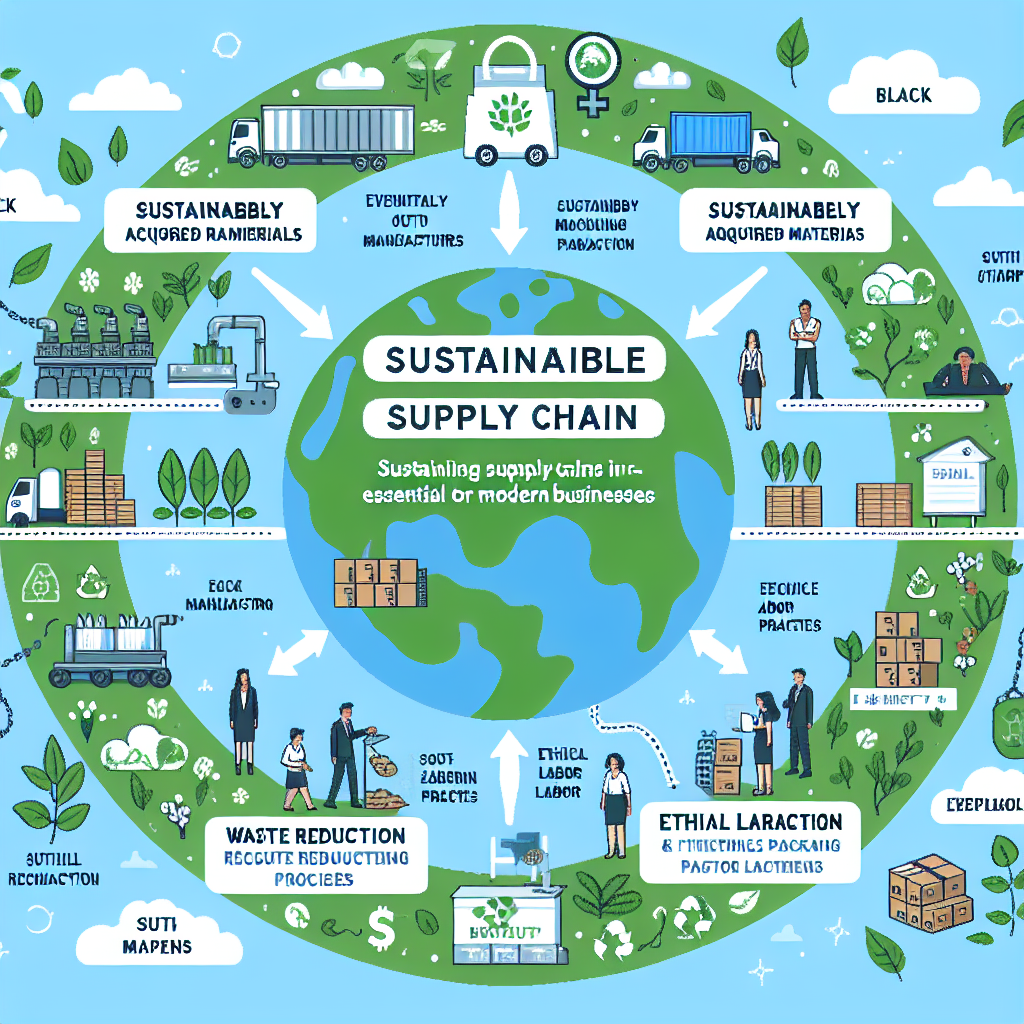
Sustainable Supply Chains: Essential Practices for Modern Businesses
As climate change, social responsibility, and ethical sourcing increasingly shape the world’s expectations, modern businesses can no longer afford to ignore the imperative of developing sustainable supply chains. Building sustainability into procurement, production, and distribution is not only good for the environment — it’s also a clear path to long-term profitability and resilience.
This article explores essential sustainable supply chain practices that leading companies use to reduce their environmental impact, increase efficiency, and build reputational value.
1. Supplier Assessment and Collaboration
Modern businesses can make significant progress by evaluating the sustainability of their suppliers and making it part of their selection process. This involves:
- Conducting environmental and social audits
- Prioritizing suppliers with clear sustainability policies and certifications
- Engaging in open dialogue to promote shared values and continuous improvement
Some organizations even offer training or incentives to help suppliers upgrade their sustainability practices, creating a ripple effect throughout the supply chain.
2. Transparency and Traceability
Being able to trace products from raw materials to final delivery enhances accountability. Transparent supply chains allow companies (and their customers) to verify ethical practices, such as safeguarding labor rights, preventing deforestation, or reducing carbon footprints.
Emerging technologies like blockchain and digital tracking systems are transforming traceability. By publicly sharing sourcing information, businesses can build trust and showcase their commitment to sustainability.
3. Efficient Logistics and Reduced Emissions
Supply chain logistics — from transportation to warehousing — can generate significant greenhouse gas emissions. Companies making logistics more sustainable focus on:
- Optimizing route planning to reduce fuel consumption
- Consolidating shipments to minimize trips
- Using energy-efficient vehicles or alternative fuels
- Switching to eco-friendly packaging materials
Small improvements in logistics can dramatically reduce both carbon emissions and costs.
4. Circular Economy Initiatives
The traditional “take-make-waste” model is giving way to circular supply chains, which aim to keep materials and products in use for as long as possible. Circular practices include:
- Designing products for durability, reuse, and easy recycling
- Implementing take-back or refurbishment programs
- Utilizing recycled or renewable resources
Such initiatives help minimize waste and reliance on finite resources, while appealing to consumers who value sustainability.
5. Responsible Sourcing of Raw Materials
Sourcing raw materials responsibly means considering environmental impact, fair labor practices, and community welfare. Companies can participate in certification programs — such as Fair Trade, Forest Stewardship Council (FSC), or Rainforest Alliance — to demonstrate their commitment.
Increasingly, businesses are partnering with local suppliers to reduce transportation emissions and support community economies.
6. Measuring, Monitoring, and Reporting
What gets measured, gets managed. Businesses need to establish metrics and key performance indicators (KPIs) for sustainability in their supply chains. Common measures include:
- Carbon footprint across the supply chain
- Water and energy usage
- Waste generated and recycled
- Supplier compliance rates
Regular audits, sustainability reports, and third-party assessments drive accountability and improvement.
7. Fostering a Culture of Sustainability
Successful implementation relies on company culture. Leadership must prioritize sustainability and provide training across procurement, logistics, and product design teams. Engaging employees through sustainability goals, incentive programs, or “green teams” can unlock innovative solutions from within.
Benefits of Sustainable Supply Chains
- Reduced costs: Energy efficiency, waste reduction, and optimized logistics save money.
- Risk mitigation: Responsibly sourced supplies are less likely threatened by regulatory issues or resource shortages.
- Brand advantage: Demonstrated sustainability strengthens customer loyalty and resonates with today’s values-driven consumers.
- Regulatory compliance: Anticipating and exceeding laws around labor, emissions, and sourcing.
Getting Started
No matter the size of your business, building a sustainable supply chain begins with small steps. Assess your current supply chain, identify your biggest areas of impact or risk, and set clear improvement goals. Consider partnering with sustainability consultants or joining industry initiatives for guidance and resources.
Conclusion
Sustainable supply chains are both a business necessity and an opportunity. By adopting responsible sourcing, transparency, efficiency, and continuous improvement, companies not only minimize their environmental impact but also future-proof their businesses for the challenges and opportunities ahead.
* The post is written by AI and may contain inaccuracies.
About Author