Effective Strategies for Remote Team Collaboration in 2025

Effective Strategies for Remote Team Collaboration in 2025
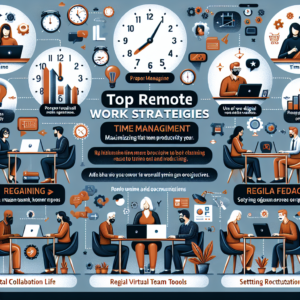
Remote work has evolved rapidly over the past few years, with 2025 marking another significant leap in how teams collaborate across locations and time zones. Effective remote team collaboration goes beyond just having the right tools—it’s about leveraging streamlined strategies, cultivating strong work culture, and adapting to the technological advances that shape our daily workflow. Here are key strategies to maximize productivity and foster cohesion in remote teams this year.
1. Leverage Next-Generation Collaboration Tools
The era of basic video calls and email is long gone. Remote teams in 2025 benefit from integrated platforms that combine project management, real-time communication, and asynchronous collaboration in one place. Tools like unified workspace apps (for example, Notion, ClickUp, or monday.com) seamlessly blend documentation, messaging, and task tracking, reducing context switching and information silos.
Consider onboarding AI-powered virtual assistants that help automate meeting summaries, suggest next steps, and manage workflows. Custom automations, such as bots handling status updates or routine check-ins, also save time and enhance collaboration.
2. Emphasize Asynchronous Communication
With distributed teams often spanning several time zones, real-time meetings aren’t always practical—or necessary. Encourage your team to use asynchronous communication tools like Loom, Threads, or recorded video updates for knowledge sharing and project updates. This approach provides flexibility, reduces meeting fatigue, and allows deeper focus work.
Set clear expectations about response times and appropriate channels for urgent versus non-urgent communication. Having a well-documented communication protocol ensures messages are not lost and helps maintain team alignment.
3. Foster a Transparent and Trusting Culture
Trust and transparency become paramount when teams aren’t physically co-located. Leaders should model open communication, share company goals and challenges, and ensure visibility into decision-making processes. Regularly update shared dashboards and use public discussion threads for project progress, roadblocks, and wins.
Recognition is vital. Implement systems for celebrating achievements in group channels, or hold virtual “show and tell” sessions to spotlight individual and team contributions. Social rituals—such as remote coffee breaks or online team games—can build camaraderie and emotional connection among team members.
4. Prioritize Clear Goals and Individual Accountability
Ambiguity can hinder remote teams more than in-person ones. Leaders should set SMART goals (Specific, Measurable, Achievable, Relevant, Time-bound) and ensure each member clearly understands their responsibilities. Use project management platforms to break down projects into actionable tasks, assign owners, and set clear deadlines.
Regular check-ins—whether through asynchronous updates or brief stand-up calls—help track progress without micromanagement. Encourage team members to self-report accomplishments and roadblocks, promoting both individual accountability and shared ownership.
5. Promote Continuous Feedback and Professional Development
Frequent feedback loops, both formal and informal, are essential to remote team development. Use tools for gathering real-time feedback—pulse surveys, virtual suggestion boxes, or anonymous Q&A sessions. Constructive feedback, when delivered consistently, reinforces positive behaviors and addresses issues early.
Additionally, invest in ongoing learning by providing access to online courses, webinars, and mentorship programs. Virtual workshops and peer learning sessions can foster skill-building and cross-functional collaboration, keeping your remote team agile and motivated.
6. Embrace Flexibility and Well-being
One of the greatest benefits of remote work is flexibility—yet without boundaries, it can also lead to burnout. Encourage team members to design their daily schedules around their most productive hours and personal obligations. Set clear guidelines for work hours and respect offline times.
Support mental well-being by offering resources such as virtual therapy sessions, wellness stipends, or mindfulness apps. Normalize discussions around workload management and time-off, making well-being a central pillar of your team culture.
Looking Ahead
Remote collaboration in 2025 is shaped by more than just technology; it’s defined by human connection, clarity of purpose, and adaptability. By blending cutting-edge tools with intentional management and a people-first approach, teams can thrive no matter where they are.
Review your current strategies and ask: Are we making the most of asynchronous workflows? Are our goals and expectations crystal clear? Are we building trust, promoting well-being, and supporting our team’s growth? Start refining your approaches today, and position your team for success in the future of work.
* The post is written by AI and may contain inaccuracies.
About Author