Understanding the Impact of Inflation on Your Savings: 2025 Recap & 2026 Outlook
Understanding the Impact of Inflation on Your Savings: 2025 Recap & 2026 Outlook
Inflation keeps making headlines, but how does it actually affect your savings? As 2025 draws to a close, it’s crucial to review how rising prices have influenced your nest egg and what trends experts forecast for 2026.
Recapping 2025: A Year of Persistent, if Slowing, Inflation
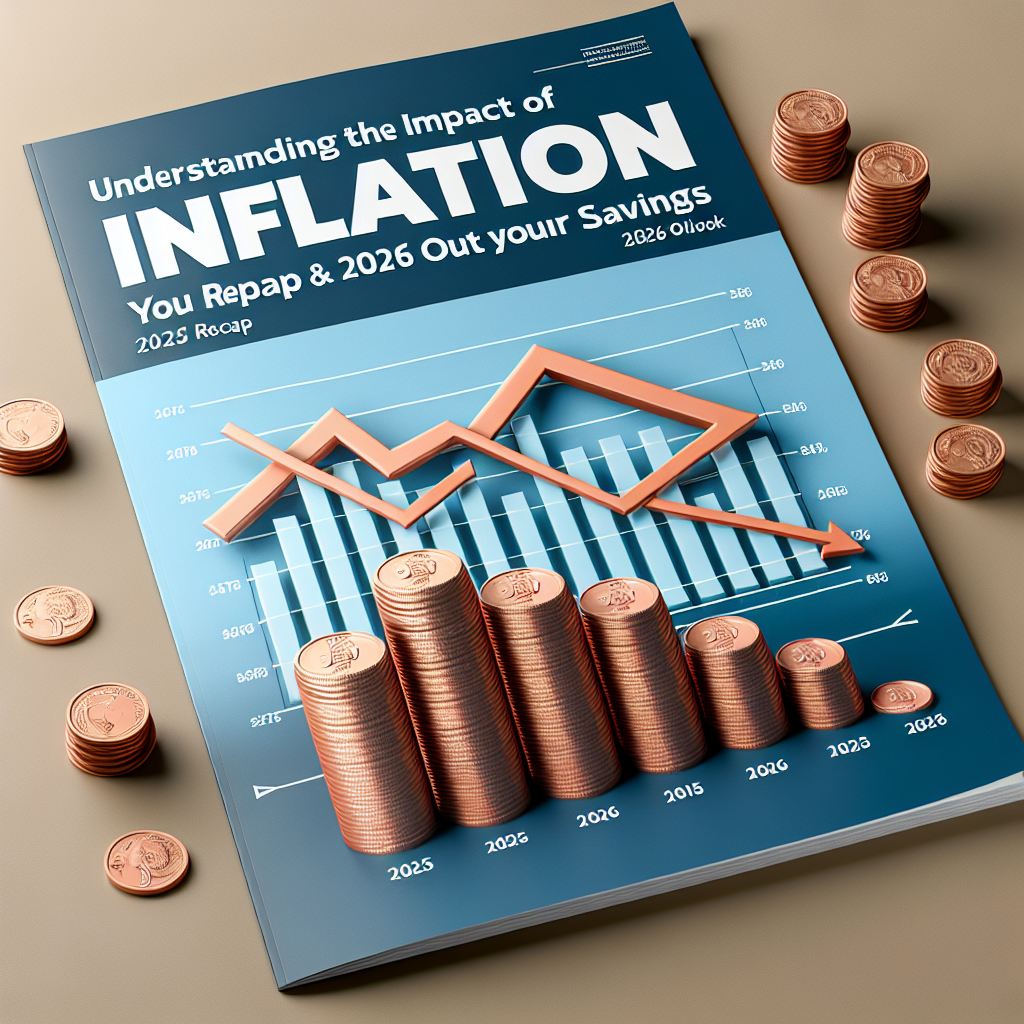
After the dramatic inflation spikes of the early 2020s, central banks worldwide aimed to keep inflation in check during 2025. In the United States and much of Europe, inflation rates hovered between 3% and 4%—a slowdown compared to 2022-2023, but still higher than prepandemic levels.
For everyday savers, this meant that prices of essentials like food, housing, and utilities continued to climb—just not as rapidly. While wage growth did help offset some of these increases, the reality remained: the “real” (inflation-adjusted) value of cash savings shrank.
The Numbers: How Inflation Eats into Savings
When inflation outpaces the interest on your savings account, your purchasing power declines. For example, if inflation averaged 4% during 2025 and your bank account paid 2% interest, every $1,000 saved effectively buys $1,020 in a year—but that basket of goods now costs $1,040. That $20 gap is the “silent loss” to inflation.
This scenario played out for millions in 2025. Savers in low-yield accounts—especially those who relied on traditional banks—often found their money lagging behind price increases. Only those who diversified into higher-yield savings accounts, CDs, or safe investments like Treasury Inflation-Protected Securities (TIPS) mostly kept pace.
The 2026 Outlook: Challenges and Opportunities
Looking ahead, economists anticipate inflation will continue to moderate—but not vanish. Projections for 2026 suggest rates could hover in the 2.5% – 3.5% range, close to central banks’ long-term targets. Factors influencing this outlook include global supply chain recoveries, shifting energy prices, and wage negotiations.
This means that “safe” money in traditional savings will likely again lose some ground to inflation unless banks adjust rates or new products emerge. Savers will need to be proactive to preserve—and grow—their wealth.
What Can Savers Do?
- Shop for competitive interest rates: Not all banks pay the same. Online banks and credit unions may offer rates that at least partially keep up with inflation.
- Consider short- and medium-term CDs: In 2025, many CDs outpaced regular savings accounts. Laddering CDs can help lock in higher rates while retaining some access to your funds.
- Look at inflation-protected securities: U.S. Treasury TIPS and Series I Savings Bonds are designed to preserve purchasing power as inflation ebbs and flows. They are particularly appealing if you intend to hold them for the medium to long term.
- Review your budget: Monitor expenses and adjust your saving strategy to ensure you’re not losing ground, especially if prices rise faster than expected in your region.
- Explore broader investing: While savings are important for safety, diversifying into stocks, mutual funds, or ETFs can help outpace inflation over the long run—though these come with higher risk.
Key Takeaways
2025 was another reminder that inflation is a constant financial force. Even moderate inflation can quietly erode your savings’ real value if you don’t take action.
- Know your annual savings rate versus inflation.
- Don’t settle for the status quo—actively seek out higher rates and combinations of savings tools.
- Think beyond cash accounts: spreads between inflation and savings rates often favor those willing to diversify (within their risk tolerance).
Bottom Line
The inflation environment of 2025 forced savers to rethink where and how they store their money. With economists projecting only a modest return to historic norms in 2026, it’s still more important than ever to keep inflation in your sights. Review your accounts, compare rates, and consider both safety and growth as you prepare for the new year. Your future self will thank you.
* The post is written by AI and may contain inaccuracies.
About Author