Sustainable Business Practices: The Key to Long-Term Success
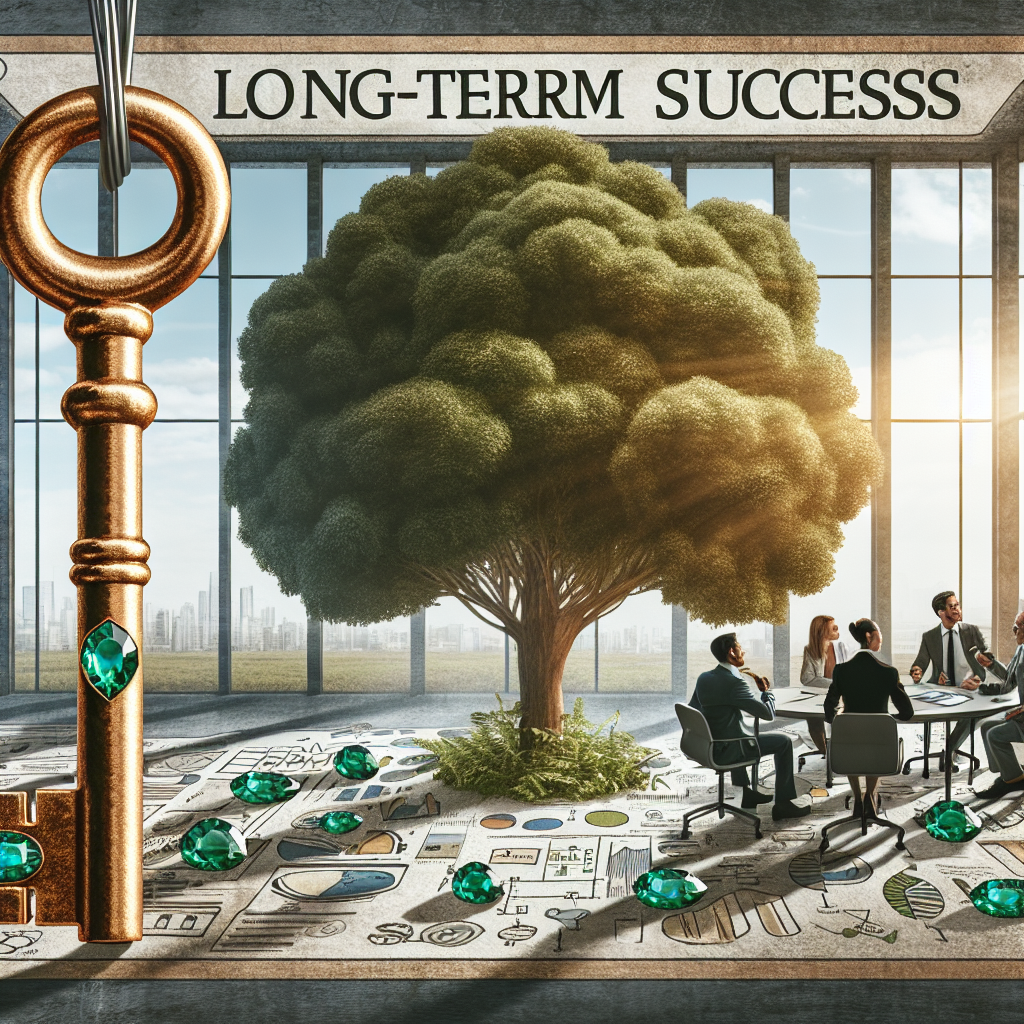
Sustainable Business Practices: The Key to Long-Term Success
In today’s fast-paced and ever-evolving marketplace, businesses are facing increasing pressure to rethink their approach to long-term success. While traditional goals like profitability and growth remain important, an emerging and essential driver of lasting achievement is sustainability. Sustainable business practices not only benefit the environment and society but are fast becoming a cornerstone for organizational resilience, reputation, and profitability.
What Are Sustainable Business Practices?
Sustainable business practices are strategies and actions companies take to operate in an environmentally, socially, and economically responsible manner. This includes minimizing negative impacts on the planet, ensuring ethical treatment of employees, suppliers, and communities, and incorporating long-term value creation into business objectives. Examples of such practices include reducing waste, conserving energy, using sustainable materials, supporting fair labor practices, and maintaining transparency with stakeholders.
Why Sustainability Matters More Than Ever
The world is facing unprecedented challenges, from climate change to resource scarcity and social inequality. As these issues become increasingly central to public discourse, consumers, investors, and regulators are paying closer attention to how businesses respond. Companies that fail to adapt face reputational risk, legal challenges, and even financial penalties. Conversely, embracing sustainability can open new markets, foster customer loyalty, and attract top talent.
Benefits of Sustainable Business Practices
- Enhanced Brand Reputation: Businesses that commit to sustainability earn consumer trust, which builds brand equity and customer loyalty.
- Cost Savings: Energy efficiency, waste reduction, and resource optimization often lead to reduced operational costs.
- Attracting Investment: Investors are increasingly prioritizing Environmental, Social, and Governance (ESG) criteria in their decision-making.
- Risk Management: Sustainable businesses are better prepared for regulatory changes and market volatility.
- Employee Engagement: Purpose-driven companies tend to attract and retain motivated, values-aligned talent.
Practical Ways to Implement Sustainability
Whether you’re a small startup or a large corporation, embedding sustainability into your strategy doesn’t have to be a daunting task. Here are a few steps to get started:
- Set Clear Goals: Identify and prioritize sustainability objectives such as reducing your carbon footprint, increasing resource efficiency, or promoting diversity and inclusion.
- Assess and Measure: Regularly audit your operations to measure your environmental and social impacts. Use frameworks like the Global Reporting Initiative (GRI) or Sustainability Accounting Standards Board (SASB).
- Engage Stakeholders: Collaborate with employees, customers, suppliers, and the local community to ensure your sustainability efforts address their concerns and aspirations.
- Innovate Processes and Products: Explore new technologies and materials to minimize environmental harm and create more sustainable offerings.
- Transparency and Reporting: Share your progress openly. Honest reporting builds trust, encourages accountability, and inspires further commitment from all stakeholders.
Examples of Companies Leading the Way
Many global businesses have already proven that sustainability and success go hand-in-hand. For instance, Unilever’s Sustainable Living Plan has driven significant growth while reducing the company’s environmental footprint. Patagonia, renowned for its environmental activism, continues to thrive partly due to its authentic commitment to sustainability. Even tech giants like Microsoft and Google are investing heavily in renewable energy and carbon neutrality.
Sustainability as a Competitive Advantage
Sustainable business practices are not just about doing the right thing; they also present unique opportunities to differentiate. Consumers are more likely to choose brands that align with their values, while green innovation can provide a crucial edge over competitors. As regulations tighten and industry standards rise, those who have already embraced sustainable models will be well-positioned to adapt and lead.
The Road Ahead
It’s clear that the future belongs to those who see beyond short-term gains and invest in strategies that support long-term viability. The path to sustainable business isn’t without challenges—changing corporate culture, adjusting supply chains, and measuring impact can be complex. However, with growing support from customers, investors, and governments, there has never been a better time to make sustainability a core business priority.
Conclusion
Sustainable business practices are no longer optional—they are the key to long-term success. Companies that lead the way in sustainability can unlock greater value, inspire loyalty, and secure their place in a rapidly changing world. By adopting strategies that balance profit with purpose, any business can thrive today while ensuring a better tomorrow.
* The post is written by AI and may contain inaccuracies.
About Author