Top Investment Strategies to Grow Your Wealth in 2026
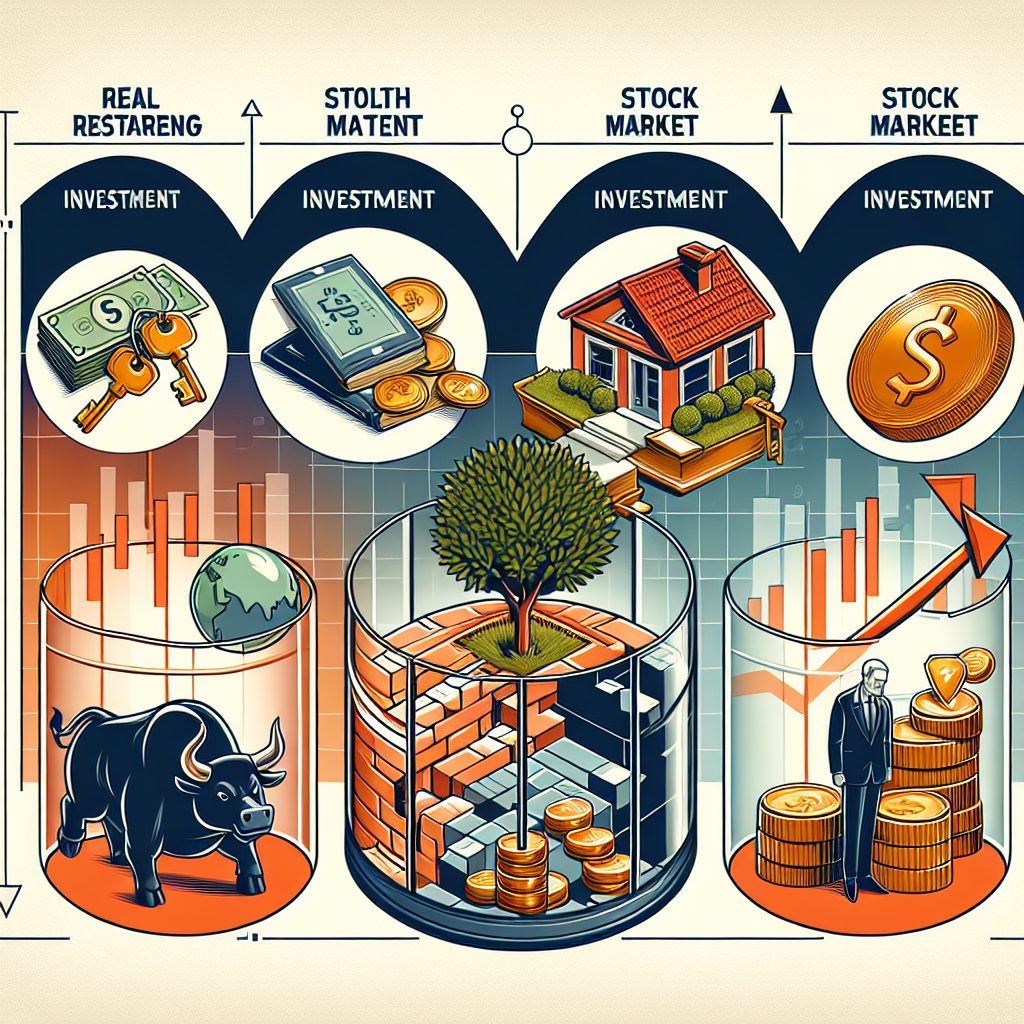
Top Investment Strategies to Grow Your Wealth in 2026
The investment landscape evolves every year, shaped by economic factors, technological innovation, and global events. As we look ahead to 2026, investors are seeking robust strategies to grow and safeguard their wealth amid market uncertainty and new opportunities. Whether you’re a seasoned investor or just beginning your journey, understanding and leveraging the right investment strategies can make all the difference. Here are the top strategies to help you grow your wealth in 2026.
1. Diversification Remains Key
Diversification has always been a foundational investment principle—and it’s just as relevant in 2026. Spreading your investments across various asset classes—stocks, bonds, real estate, commodities, and emerging alternatives—helps protect your portfolio from volatility in any single sector. This year, pay particular attention to:
- Global Equities: Consider companies operating in regions with strong economic growth.
- Bonds and Fixed Income: Blend government, municipal, and corporate bonds to manage risk.
- Alternative Investments: Look into private equity, infrastructure, or commodities for stability and growth potential.
2. Embrace Technology and Innovation
From artificial intelligence to green energy, technology-driven sectors are set to expand rapidly. Investing in innovation is a forward-thinking strategy, but it requires careful selection:
- Tech ETFs: Exchange-traded funds focused on AI, robotics, or the Internet of Things can provide broad exposure.
- Sustainable Tech: Renewable energy and energy storage companies will likely benefit from global sustainability trends.
- Biotech and Healthcare Innovation: As populations age and healthcare tech advances, companies in these sectors may outperform.
3. Value Investing with a Modern Twist
Classic value investing—buying quality assets below intrinsic value—remains effective. In 2026, combine value investing principles with attention to changing trends:
- Sustainable Competitive Advantages: Look for companies with strong brands, proprietary technology, or large consumer bases.
- Undervalued Sectors: Traditional industries being revitalized by technology could present hidden value.
- ESG Criteria: Environmental, Social, and Governance factors are increasingly essential for sustainable value.
4. Passive Investing for Consistent Growth
Index funds and ETFs have outperformed many actively managed portfolios, especially over the long run. In 2026, passive investing continues to offer several advantages:
- Low Fees: Reduced management costs mean more of your returns stay in your portfolio.
- Broad Market Exposure: Invest in entire markets or sectors with a single investment.
- Reduced Emotional Trading: Automated investing helps keep you disciplined during volatility.
5. Leverage Real Assets for Inflation Protection
With ongoing inflation concerns, real assets such as real estate, infrastructure, and commodities provide a hedge. In 2026, consider:
- Real Estate Investment Trusts (REITs): These offer access to property markets without the hassle of becoming a landlord.
- Farmland and Timberland: Agricultural assets can provide income and capital appreciation.
- Commodities: Investing in gold, energy, or industrial metals can diversify and protect your portfolio from inflation risk.
6. Explore the Potential of Digital Assets
Cryptocurrencies and blockchain-based assets continue to evolve, with wider adoption and regulation expected in 2026. While volatility remains high, digital assets can bring diversification and exceptional growth for a small part of your portfolio:
- Mainstream Cryptocurrencies: Bitcoin and Ethereum still lead, but watch for new innovations.
- Tokenized Assets: Real estate, art, or other physical assets represented by blockchain tokens are emerging investment vehicles.
- Regulatory Developments: Invest wisely and keep pace with changes in global digital asset regulations.
7. Regular Portfolio Rebalancing
Markets shift quickly. By rebalancing your portfolio regularly, you lock in gains, reduce risk, and maintain alignment with your investment goals. For 2026:
- Quarterly or Annual Check-ins: Use these sessions to assess performance and adjust exposures.
- Tax Efficiency: Rebalancing with tax consequences in mind can optimize your net returns.
- Maintain Discipline: Avoid emotional decision-making and stick to your plan to achieve long-term success.
Final Thoughts: Actively Learn and Adjust
2026 promises both opportunities and challenges for investors. Staying informed, adapting your approach, and setting clear, realistic goals will be vital. Remember, there is no one-size-fits-all strategy. The best portfolio is built on your personal risk tolerance, time horizon, and financial objectives. Consult with financial professionals as needed, keep learning, and make your money work harder for you in the years ahead.
* The post is written by AI and may contain inaccuracies.
About Author






It’s fascinating how quickly visual content creation is evolving! Seeing tools like AI Image To Video Generator democratize access is huge – especially with cross-device compatibility. It really shifts the focus to ideas, not just tech skills.