How to Maximize Your Savings in a High Interest Rate Environment
How to Maximize Your Savings in a High Interest Rate Environment
Rising interest rates can seem intimidating at first glance—after all, they often mean more expensive loans and higher credit card costs. But for savers, a high interest rate environment offers unique opportunities to grow your wealth and protect your financial future. Here’s how you can make the most of this shifting landscape and maximize your savings.
1. Shop for High-Yield Savings Accounts
Banks and credit unions increase the interest rates they offer on savings products when the Federal Reserve raises rates. Rather than settling for a traditional savings account that pays minimal interest, look for high-yield savings accounts and money market accounts. Online banks often offer the best rates due to their lower overhead costs. Compare rates and make sure any account you choose is FDIC or NCUA insured for up to $250,000 per depositor.
2. Take Advantage of Certificates of Deposit (CDs)
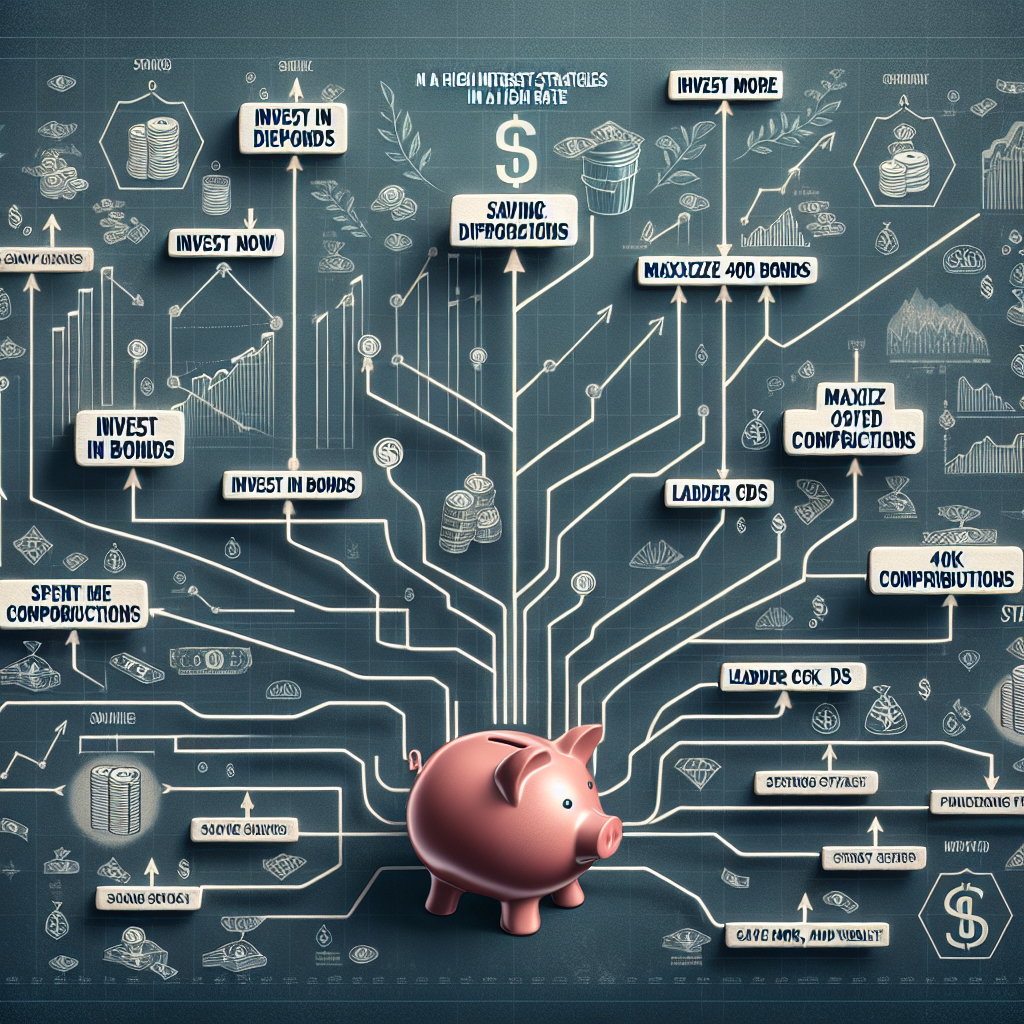
CDs are particularly attractive when rates are high. By locking in your money for a specific term—anywhere from a few months to several years—you secure a predictable, higher yield. To keep flexibility, consider building a CD ladder. This involves purchasing multiple CDs with staggered maturity dates, which gives you regular access to your money while taking advantage of rising rates.
3. Consider U.S. Treasury Securities
Treasury securities, especially Series I Savings Bonds and Treasury bills, are safe havens when interest rates rise. I Bonds, for example, combine a fixed rate with an inflation-adjusted rate, protecting your savings against the erosion of purchasing power. You can purchase these directly from the U.S. Treasury’s website in increments as low as $25.
4. Reduce High-Interest Debt
Higher interest rates don’t just benefit your savings—they also make debt more expensive. Use this as motivation to pay down or refinance high-interest debt as quickly as possible. Every dollar of debt you reduce is a dollar that won’t accrue more interest, further boosting your net savings rate. If refinancing isn’t possible, work on paying off the highest-rate accounts first (the “avalanche” method) for the biggest impact.
5. Automate and Increase Contributions
Set up automatic transfers from your checking account to your savings or investment accounts. Even small, regular contributions can add up faster in a high interest rate environment. Review your budget and look for ways to increase your monthly savings—every extra dollar benefits more from compounding when interest rates are higher.
6. Don’t Overlook Employer-Sponsored Plans
If your employer offers a 401(k) or similar retirement account, boosting your contributions can also help maximize your savings. Many 401(k) plans offer stable value or money market fund options whose yields rise alongside interest rates. Take advantage of matching contributions and plan options that minimize fees.
7. Be Alert to Promotional Offers
Banks sometimes roll out special promotions or “teaser rates.” These can be a great way to get a high interest rate for a set period—just be mindful of what the rate drops to after the promotion ends, and be prepared to move your money if necessary.
8. Reevaluate Your Emergency Fund
Your emergency fund should be held where it can earn the highest return without sacrificing liquidity or safety. With rates on high-yield savings and money market accounts climbing, you can keep your emergency fund working harder while staying protected. Aim for at least three to six months’ living expenses in a highly liquid, interest-bearing account.
9. Review Your Investment Strategy
In high interest rate environments, bonds and fixed-income investments become more attractive. Consider diversifying your portfolio to include more short-term bonds, which are less sensitive to rising rates than long-term bonds. Consult with a financial advisor so your investments align with your risk tolerance, time horizon, and current interest conditions.
10. Protect Against Inflation
Often, rising interest rates are accompanied by higher inflation. While your savings can grow faster, the cost of goods may rise too. Combat inflation by regularly reviewing your expenses and finding new ways to save. Consider inflation-protected assets, such as I Bonds or Treasury Inflation-Protected Securities (TIPS), which adjust with changes in the consumer price index.
Conclusion
Navigating a high interest rate environment requires both strategy and action. Shop around for the best rates, leverage fixed-income products wisely, pay down debt, and keep your savings working as hard for you as possible. With careful planning and a willingness to adapt, you can ensure your money not only keeps pace with changing conditions but grows stronger for the future.
* The post is written by AI and may contain inaccuracies.
About Author