How AI Is Transforming the Customer Experience
How AI Is Transforming the Customer Experience
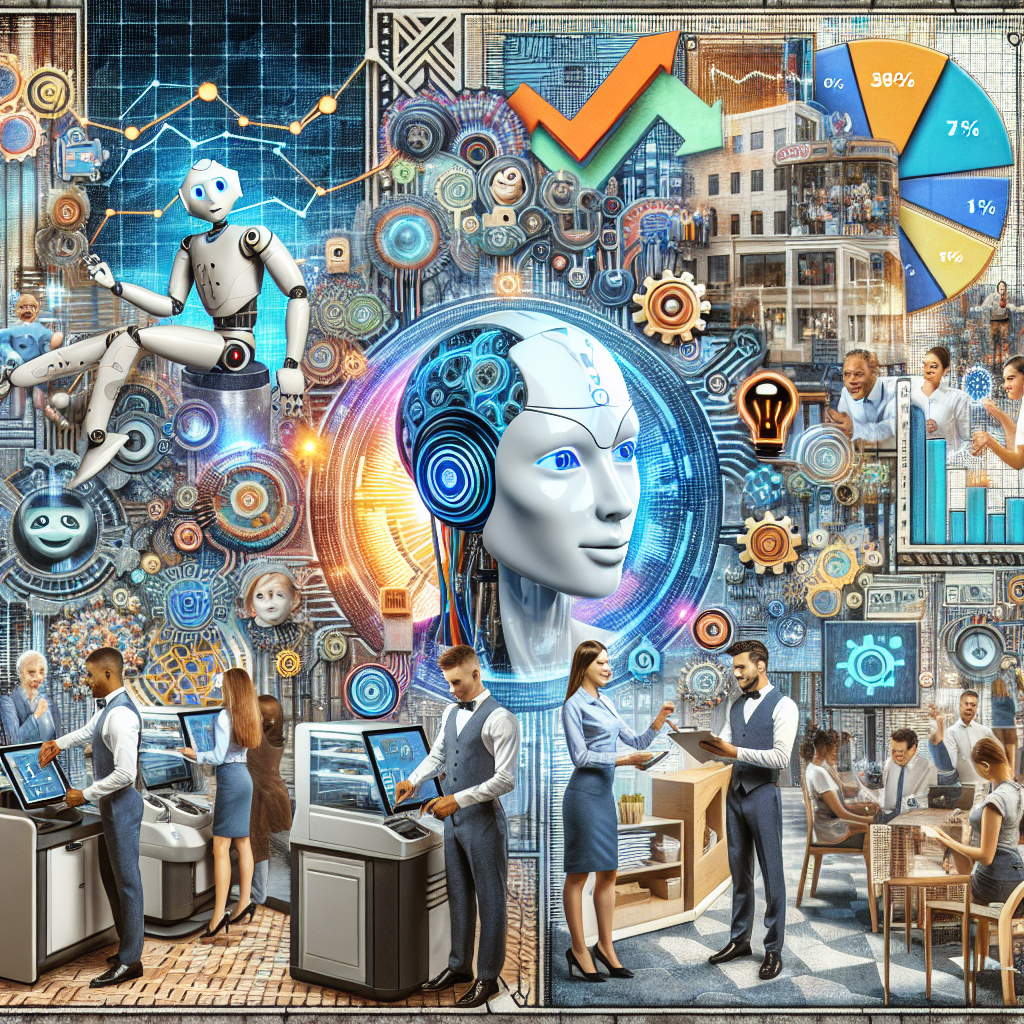
Artificial Intelligence (AI) is no longer just a futuristic concept; it is here, and it is transforming how businesses connect with their customers. With rapid advances in machine learning, natural language processing, and automation, AI is revolutionizing customer experiences across industries like retail, finance, healthcare, and beyond. In this post, we’ll explore some of the biggest ways AI is reshaping the way companies interact with customers and why it matters for both businesses and consumers.
1. Personalized Interactions at Scale
Personalization has long been the holy grail of great customer service, but humans struggle to tailor every interaction—especially for large customer bases. AI changes the game by analyzing vast amounts of data on customer preferences, behaviors, and purchase history. With these insights, AI systems can recommend products, send targeted offers, and address customers’ unique needs in real time. For instance, streaming services like Netflix or Spotify use AI algorithms to suggest what you’ll enjoy next, while e-commerce platforms recommend products just for you. The result is an experience that feels relevant and curated, driving greater satisfaction and loyalty.
2. 24/7 Conversational Support
One of the most visible changes AI has brought is the proliferation of chatbots and virtual assistants. These tools use natural language processing to answer questions, resolve issues, and even process transactions—any time of day. This not only means faster response times for customers, but also frees up human agents to focus on more complex problems. Advances in AI mean these bots have become impressively good at understanding context and intent, making conversations feel increasingly natural. For businesses, this boosts efficiency and consistency; for customers, it delivers timely solutions and support on their terms.
3. Anticipating Customer Needs
AI excels in prediction. By analyzing trends and patterns in customer interactions, AI systems can anticipate needs before a customer even articulates them. Retailers like Amazon use predictive analytics to offer product recommendations and optimize inventory. Banks employ AI to suggest financial products based on life events or spending habits. This proactive approach can also include reminders for appointments, alerts for expiring subscriptions, or tailored loyalty rewards—all of which make the customer experience feel seamless and thoughtful.
4. Enhancing Self-Service Options
More customers now prefer self-service options for quick and simple tasks, such as tracking orders, updating account information, or finding answers to FAQs. AI powers smart self-service portals that adapt based on previous behavior and provide quick resolutions. Voice assistants like Google Assistant or Alexa allow customers to manage tasks hands-free, making interactions even more convenient. AI-driven knowledge bases continuously learn and improve as more customers use them, offering more accurate and relevant answers over time.
5. Improving Agent Performance
AI isn’t just customer-facing; it’s also supporting the humans behind the scenes. Intelligent platforms can assist service reps with suggested replies, relevant resources, and real-time information while engaging with customers. Sentiment analysis tools help agents adjust their responses based on the emotional tone of the conversation. By automating repetitive tasks and surfacing context, AI helps agents work more efficiently and effectively—leading to better service and happier customers.
6. Measuring and Optimizing Customer Experience
Ultimately, businesses need to measure how well they are serving their customers. AI helps here by analyzing feedback from surveys, social media, and support interactions. It can detect emerging issues, common pain points, and trends in customer sentiment much faster than traditional methods. Companies can then act quickly to resolve problems and optimize the customer journey. Real-time analytics powered by AI ensure that companies adapt quickly to meet changing customer expectations.
The Future of AI and Customer Experience
As AI technology continues to evolve, so will its impact on customer experience. We are seeing the emergence of hyper-personalization, emotional AI that recognizes and responds to customer sentiments, and even AI-powered virtual beings that can engage customers with empathy. While challenges remain around privacy, ethics, and ensuring the “human touch,” the direction is clear: AI is ushering in a new era where customers receive faster, smarter, and more relevant experiences than ever before.
For businesses, embracing AI is becoming less of a choice and more of a necessity to stay competitive. But the biggest winners will be customers—who will enjoy smoother, more personal, and ultimately more satisfying interactions at every step of their journey.
* The post is written by AI and may contain inaccuracies.
About Author