How to Build a Recession-Proof Investment Portfolio
How to Build a Recession-Proof Investment Portfolio
Economic downturns are an inevitable part of every nation’s financial cycle. While they might trigger uncertainty in the market, investors who take a proactive approach can shield themselves from the worst impacts—and even uncover new opportunities. Building a recession-proof investment portfolio is not about avoiding risk entirely, but about smartly diversifying and positioning yourself for resilience and steady growth. In this article, we’ll explore actionable strategies to help you weather any economic storm.
1. Diversify Across Asset Classes
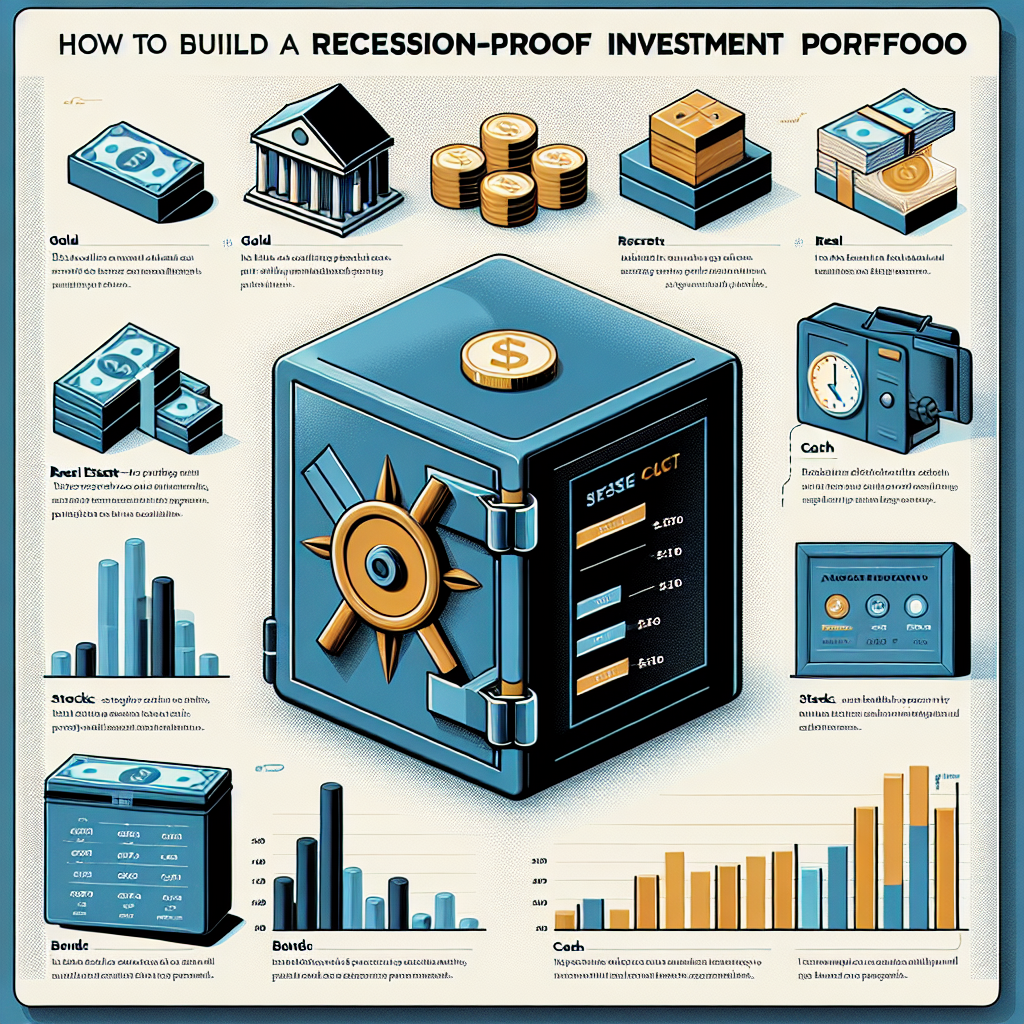
The golden rule of investment is diversification. Spreading your investments across different asset classes—such as stocks, bonds, real estate, and commodities—helps buffer your portfolio against downturns in any one sector. For example, while stocks may underperform during a recession, government bonds and gold often perform better, helping cushion overall portfolio losses.
- Stocks: Focus on blue-chip and dividend-paying stocks that generally offer stability.
- Bonds: Government and high-grade corporate bonds can offer stability during uncertain times.
- Real Estate: Real estate investment trusts (REITs) can provide income and diversification.
- Commodities: Gold and other commodities may hedge against inflation and market volatility.
2. Invest in Defensive Sectors
Some sectors of the economy are less sensitive to the business cycle. During recessions, people still need healthcare, consumer staples (like food and hygiene products), and utilities. Companies operating in these sectors usually experience more stable revenues, making them a reliable addition to a recession-proof portfolio.
- Healthcare: Pharmaceutical companies, hospitals, and medical device manufacturers.
- Consumer Staples: Food, beverage, and household products companies.
- Utilities: Water, electricity, and gas providers.
3. Prioritize Dividend Stocks
Dividend-paying stocks are prized for regular income, especially during periods of market turbulence. Companies with a strong history of increasing dividends—often referred to as “dividend aristocrats”—are typically well-established, with resilient business models. These companies tend to perform better during recessions, cushioning declines in share price with steady cash payouts.
4. Keep an Eye on Cash
Maintaining a portion of your portfolio in cash or cash equivalents, such as money market funds or short-term certificates of deposit (CDs), provides flexibility and peace of mind. Should markets take a steep downturn, having liquidity enables you to quickly take advantage of new buying opportunities or simply ride out the volatility without being forced to sell assets at a loss.
5. Assess and Adjust Your Risk Tolerance
Recessions can be anxiety-inducing, testing even the most seasoned investors. Re-evaluating your risk tolerance periodically ensures that your portfolio’s asset allocation matches your current comfort level and objectives. As you approach significant financial goals—like retirement—you may want to gradually shift towards more conservative investments.
6. Consider Dollar-Cost Averaging
Dollar-cost averaging is an investment strategy that involves regularly investing a fixed amount, regardless of market conditions. This approach minimizes the risk of buying at market highs and reduces the impact of volatility. Over time, it can help smooth returns and take the guesswork out of timing the market.
7. Avoid Timing the Market
Attempting to predict market highs and lows is notoriously difficult. Instead, focus on maintaining a long-term perspective and stick to a well-thought-out investment plan. Reacting emotionally—such as selling everything after a market dip—can hinder portfolio recovery and lock in unnecessary losses.
8. Rebalance Regularly
Over time, certain assets within your portfolio will outperform others, shifting your asset allocation away from your original plan. Periodically rebalancing—such as annually or semi-annually—restores your desired level of diversification and risk, ensuring your portfolio continues to reflect your investment goals.
9. Emphasize Quality Over Quantity
Invest in high-quality companies and funds with solid financials, competent management, and a track record of stability. Avoid speculative investments and avoid chasing high returns from unproven assets during downturns. Sustainable businesses with strong balance sheets are better positioned to weather economic shocks.
10. Keep Learning and Stay Informed
Stay updated on economic indicators, industry trends, and changes in market dynamics. This doesn’t mean obsessing over daily headlines, but being aware of the larger economic picture can help you make informed adjustments when needed. Utilize reputable financial news sources, and consider consulting with a financial advisor if you need personalized advice.
Conclusion
No portfolio can be entirely immune to recessionary pressures, but a thoughtful, diversified approach can make a significant difference. By spreading risk, focusing on quality assets, managing your emotions, and tuning your strategy to your goals, you can build a resilient portfolio that stands the test of time—even when markets are turbulent. Start now, and let your portfolio work for you in any market environment.
* The post is written by AI and may contain inaccuracies.
About Author