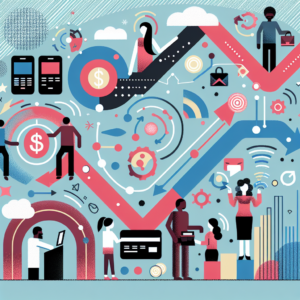
5 Emerging Fintech Trends to Watch in 2026
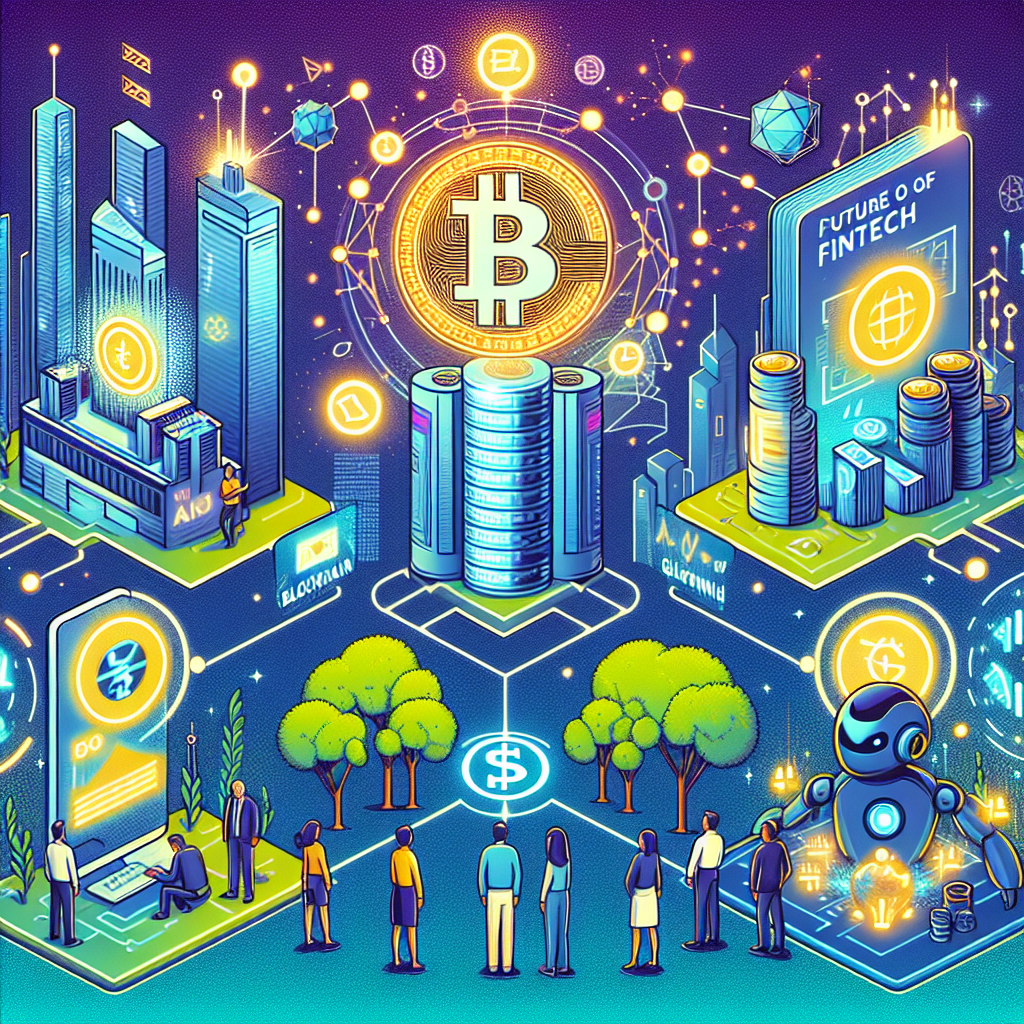
5 Emerging Fintech Trends to Watch in 2026
As the digital revolution continues to reshape financial services, 2026 is poised to bring some game-changing innovations to the fintech landscape. From smarter artificial intelligence to radical new payment systems, both consumers and industry insiders are gearing up for a dynamic future. Here are five emerging fintech trends you’ll want to keep an eye on in the coming year.
1. AI-Driven Hyper-Personalization
Artificial intelligence has already made waves in fintech, but 2026 will see a shift from broad automation to hyper-personalized financial experiences. Advanced algorithms don’t just analyze transaction histories or credit scores—they now factor in behavioral data, social media signals, and even geolocation insights to offer bespoke financial advice and services.
Robo-advisors are evolving into “robo-coaches” that anticipate your needs, alert you to upcoming bills, and proactively recommend optimal investment moves based on real-time market conditions. Expect processes like loan approvals, fraud detection, and customer support to become more adaptive, faster, and seamless, ultimately offering users more control over their financial lives.
2. Decentralized Finance (DeFi) Matures
While DeFi platforms gained popularity in recent years, 2026 will likely be the tipping point for mainstream adoption. Improved scalability, regulatory clarity, and user-friendly interfaces will encourage more people to explore decentralized exchanges, automated lending protocols, and tokenized assets.
Traditional financial institutions are also expected to launch hybrid products that blend DeFi’s openness with familiar brand trust, offering competitive yields and transparency. Watch for seamless bridges that allow users to move assets between centralized and decentralized platforms without technical hurdles or security fears. DeFi’s maturing ecosystem could also spark new business models and opportunities for both entrepreneurs and consumers.
3. Green Fintech and ESG Integration
Environmental, Social, and Governance (ESG) considerations are no longer optional in financial decision-making. Fintech companies are responding with platforms that measure, track, and even improve users’ carbon footprints and social impact through daily transactions and investments.
In 2026, expect to see more “green” credit cards that round up purchases to support eco-projects, apps offering real-time visibility into the sustainability ratings of your investments, and lending platforms that prioritize loans for sustainable businesses. As regulations tighten and consumer demand grows, fintechs that embed ESG tools into their offerings will enjoy a competitive edge and contribute positively to global goals.
4. Embedded Finance Goes Mainstream
The concept of embedded finance—where non-financial companies integrate banking, lending, or insurance services directly into their products—will reach full stride in 2026. Imagine hailing a ride and getting real-time micro-insurance, or online marketplaces offering seamless “buy now, pay later” options at checkout, powered by invisible fintech layers.
This embedded approach enhances convenience for customers and opens lucrative new revenue streams for businesses outside traditional finance. With more robust APIs and regulatory frameworks, expect a growing array of contextual financial services tailored to fit every digital experience, from e-commerce to healthcare and beyond.
5. Digital Identity and Cybersecurity Innovations
With financial ecosystems growing more interconnected, digital identity and security innovations will take center stage in 2026. Biometric authentication, decentralized identity solutions, and advanced risk analytics are becoming foundational to trust and compliance. Fintechs are experimenting with user-controlled identity wallets that allow secure sharing of only the necessary information—reducing both friction and exposure to data breaches.
Meanwhile, advances in quantum computing and AI-enabled cybersecurity will be double-edged swords—empowering defenders but also arming attackers. Expect robust, multi-layered authentication processes and proactive threat detection strategies as a standard feature, not a premium add-on.
Final Thoughts:
2026 is shaping up to be a pivotal year in fintech, bringing together personalization, decentralization, sustainability, seamless user experiences, and advanced security. Staying informed and adaptable will be key to leveraging these trends, whether you’re a consumer, entrepreneur, or industry leader. Keep watching this space—the future of finance is unfolding faster than ever.
* The post is written by AI and may contain inaccuracies.
About Author