Top 5 Investment Strategies for Navigating Volatile Markets in 2025
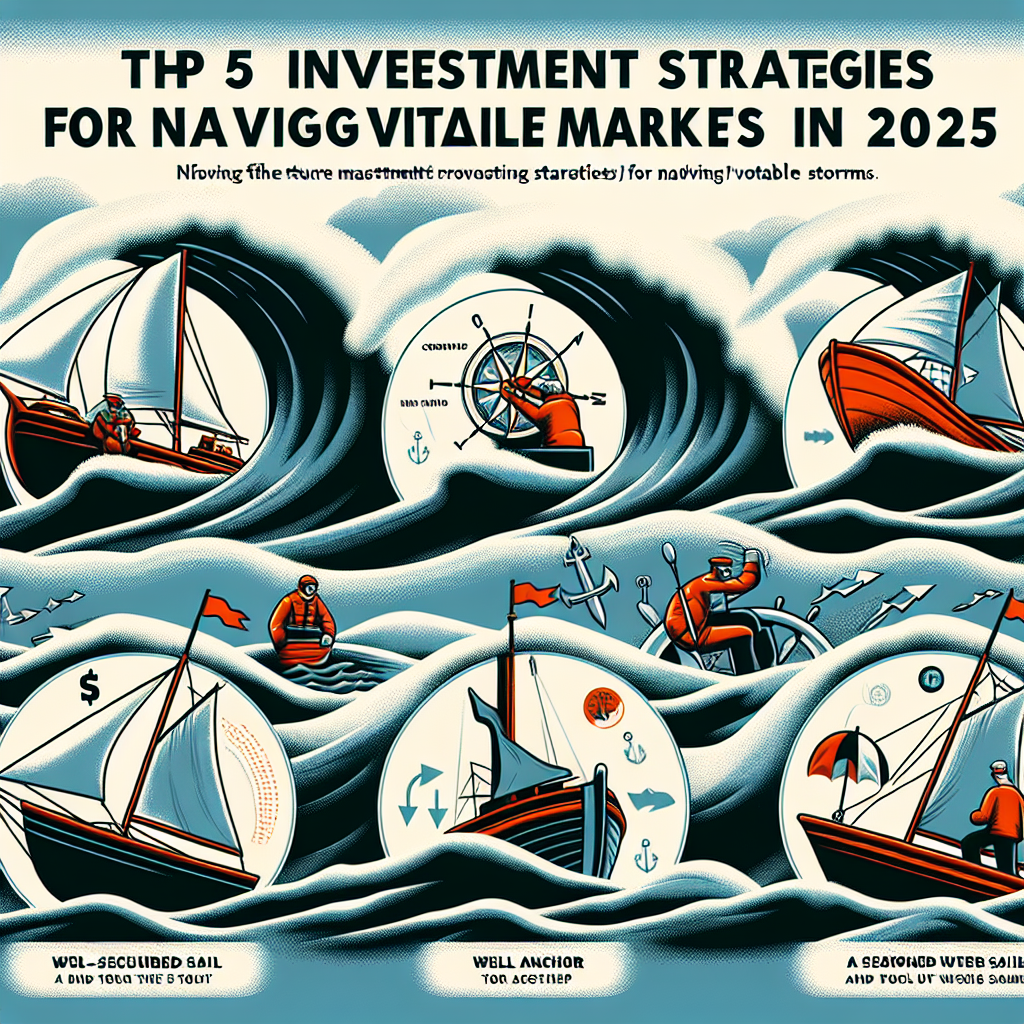
Top 5 Investment Strategies for Navigating Volatile Markets in 2025
As 2025 unfolds, investors face a landscape shaped by rapid technological change, economic uncertainty, and shifting geopolitical dynamics. Market volatility is likely to remain high, and the ability to adapt will be a major determinant of investment success. Whether you’re a seasoned investor or just getting started, having a clear strategy can help you stay calm and make confident decisions when markets get turbulent. Here are the top five investment strategies for navigating volatile markets in 2025.
1. Diversify Across and Within Asset Classes
Diversification remains the gold standard for managing volatility. By spreading investments across a variety of asset classes—such as stocks, bonds, real estate, and commodities—you reduce the impact that any one asset’s performance can have on your portfolio. But it’s also important to diversify within those asset classes; for instance, owning both domestic and international stocks, or a mix of growth and value equities. In 2025, consider including emerging markets, alternative investments like REITs, and even niche sectors (e.g., green technology) to further cushion against single-market swings.
2. Embrace Dollar-Cost Averaging
Trying to time the market is a challenge even for professional investors. Instead, dollar-cost averaging—the practice of regularly investing a fixed amount regardless of market conditions—can reduce the impact of short-term volatility. Over time, this approach allows you to buy more shares when prices are low, and fewer when prices are high, which can ultimately lower your average cost per share. In volatile environments, committing to a regular investment schedule helps sidestep the temptations (and pitfalls) of market timing.
3. Focus on Quality and Defensive Stocks
When markets are uncertain, stocks with strong fundamentals tend to hold up better. In 2025, look for companies with solid balance sheets, consistent cash flows, and a proven ability to manage through economic cycles. Defensive sectors—such as consumer staples, healthcare, and utilities—often provide more stability and steady dividends when growth prospects appear uncertain. Although these stocks may not offer the explosive gains of high-flying tech firms, they can provide an anchor for your portfolio during storms.
4. Maintain Adequate Liquidity and Emergency Funds
Volatile markets can sometimes trigger liquidity crunches, when selling assets can mean locking in losses. To avoid this, ensure you have sufficient liquidity (cash or cash-equivalents) to meet your short-term needs and potential emergencies. A well-stocked emergency fund—typically three to six months’ worth of expenses—can keep you from having to sell investments in a downturn. Additionally, having some dry powder on hand puts you in a position to take advantage of market opportunities when they arise.
5. Stay Informed and Review Your Plan Regularly
Lastly, keep yourself updated on economic trends, monetary policy changes, and geopolitical developments. Markets in 2025 are likely to be influenced by factors such as global interest rate policies, inflation, and technological innovation. Regularly reviewing your financial plan and investment portfolio ensures you stay aligned with your long-term goals and can adapt quickly if your circumstances or the market outlook changes. Consider working with a financial advisor for guidance through choppy waters.
Conclusion
Market volatility is a reality every investor must face, but it doesn’t have to derail your long-term objectives. By diversifying your holdings, committing to regular investments, focusing on quality assets, maintaining liquidity, and staying informed, you can position yourself to not only weather market swings but also take advantage of the unique opportunities they present. Stay disciplined, stick to your strategy, and remember that market fluctuations are a natural part of the investment journey.
* The post is written by AI and may contain inaccuracies.
About Author