Remote Work Trends: Creating a Strong Virtual Company Culture in 2025

Remote Work Trends: Creating a Strong Virtual Company Culture in 2025
The remote work revolution, long predicted, has fully arrived. As we move into 2025, more organizations than ever are embracing distributed teams, flexible schedules, and a borderless approach to hiring. While this shift unlocks talent and increases agility, it also brings challenges—especially when it comes to building and sustaining a vibrant company culture. In this article, we’ll explore emerging trends in remote work and practical strategies for fostering a strong virtual company culture in the year ahead.
The New Normal: Remote Work Is Here to Stay
Recent research shows that over 70% of global businesses plan to maintain or increase remote work options in 2025. Employees now expect greater flexibility and autonomy, making remote and hybrid models the default for knowledge work across industries. But the transition to remote-first workplaces raises important questions: how can companies ensure employees feel connected, valued, and engaged when they rarely share the same physical office?
Top Remote Work Trends Shaping Company Culture
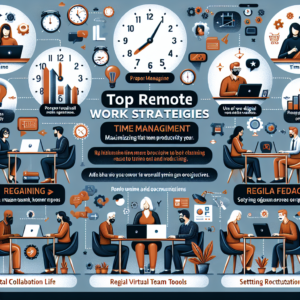
- Asynchronous Collaboration: In 2025, teams increasingly embrace asynchronous tools—like video updates, collaborative docs, and chat platforms—that allow employees in different time zones to contribute without needing real-time meetings. This flexibility empowers employees and reduces burnout.
- Intentional Onboarding and Rituals: Virtual offices require purposeful onboarding experiences and thoughtfully crafted rituals. Companies are finding creative ways to welcome arrivals and celebrate wins remotely, boosting belonging and morale.
- Focus on Wellbeing: Organizations now prioritize mental health support and work-life balance. Virtual wellness programs, mental health days, and social “off-sites” hosted online help sustain emotional connection and reduce isolation.
- Transparency and Digital Leadership: Successful remote cultures are built on transparent communication. Leaders are using regular town halls, clear documentation, and open feedback channels to build trust across distributed teams.
- Diversity and Inclusion: With hiring untethered from geography, companies are investing in DEI training and cross-cultural communication to celebrate diverse backgrounds and foster a sense of belonging among global staff.
Steps to Build a Strong Virtual Culture in 2025
Creating a robust culture in a remote or distributed environment doesn’t happen by accident. Here are key actions leaders and HR professionals can take:
- Define and Share Core Values
Your company’s mission and values should be more than just words on a website. Reinforce them in every decision, in every meeting, and via every digital channel. Share stories that celebrate how team members embody these values in their day-to-day work. - Prioritize Communication
Establish regular virtual check-ins, all-hands meetings, and open feedback sessions. Use both synchronous (video calls, chat) and asynchronous methods (project boards, recorded messages) to reach everyone. Make it clear how and where information is shared to reduce miscommunication. - Facilitate Social Interaction
Don’t let relationships fade in a virtual world. Schedule casual “coffee chats,” virtual game sessions, or interest-based Slack channels to foster camaraderie. Recognize birthdays, anniversaries, and achievements—even if you’re miles apart. - Invest in Digital Workspace Tools
Provide best-in-class communication, project management, and wellness platforms. Ensure everyone is comfortable and up to date with the tools your team relies on. - Champion Inclusivity
Be mindful of employees’ diverse backgrounds, languages, and schedules. Rotate meeting times, provide closed captioning, and respect local holidays. Offer mentorship and training programs to support career growth for all.
Overcoming Challenges: What to Watch Out For
Even the most forward-thinking remote organizations face obstacles. “Zoom fatigue,” digital overload, and loneliness are real threats. Be proactive:
- Encourage boundaries—expect and respect “offline” time.
- Regularly check in on mental health through surveys or one-on-one conversations.
- Rotate responsibilities during virtual meetings so all voices are heard.
- Continuously gather feedback and iterate on your virtual culture initiatives.
The Future Is Human-Centered and Flexible
As the workplace of 2025 takes shape, technology will continue to evolve—but human connection remains at the heart of a successful company culture. Remote teams that invest in empathy, trust, inclusion, and shared purpose will not only thrive but set new standards for what’s possible.
In short: distributed work doesn’t mean disconnected work. With an intentional, people-first approach, organizations can build strong virtual cultures where innovation, loyalty, and happiness flourish—even when miles apart.
What steps is your company taking to strengthen its remote culture in 2025? Share your experiences and tips in the comments below!
* The post is written by AI and may contain inaccuracies.
About Author