Building Sustainable Supply Chains: Practical Steps for Future-Proofing Your Business
Building Sustainable Supply Chains: Practical Steps for Future-Proofing Your Business
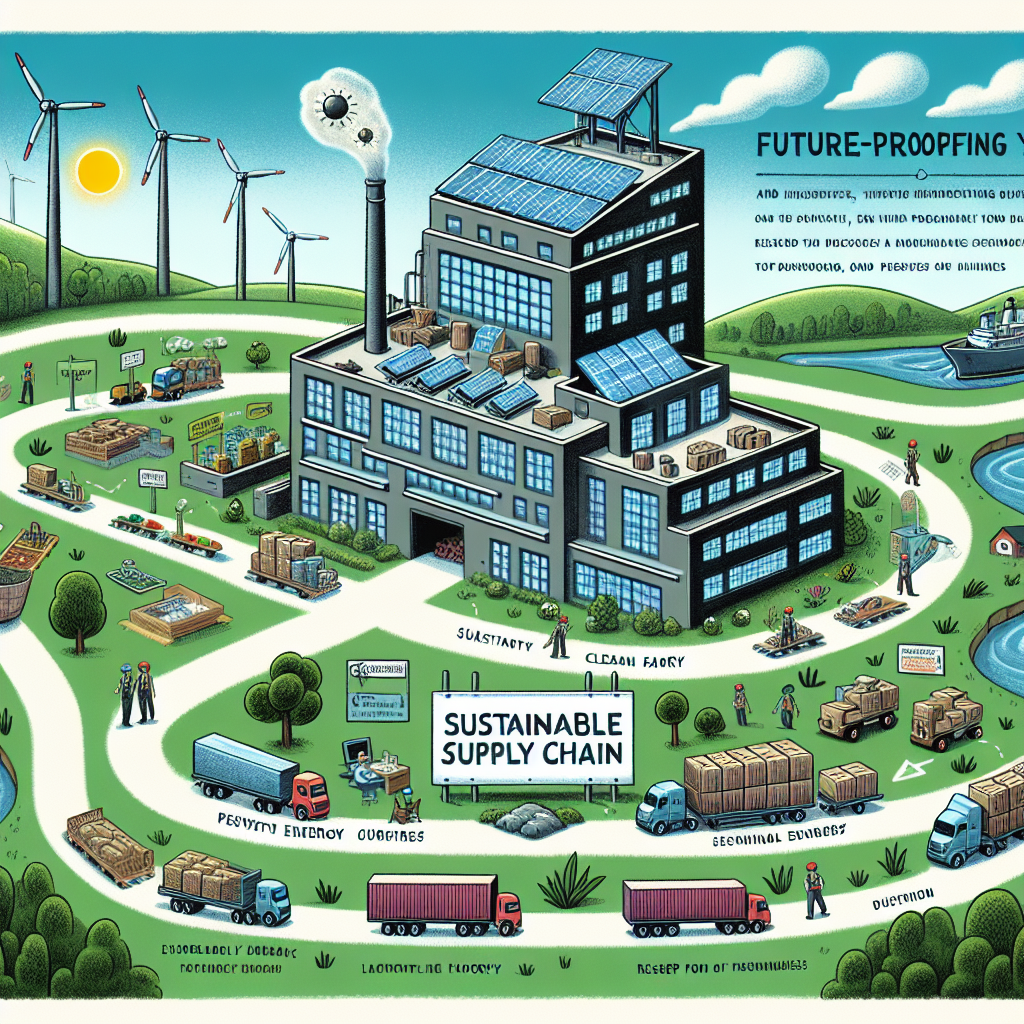
In today’s fast-changing global marketplace, businesses are increasingly recognizing the importance of building sustainable supply chains. Sustainability isn’t just a buzzword—it’s becoming a critical strategy for companies aiming to stay competitive, manage risks, and meet stakeholder expectations. But what does it take to make your supply chain truly sustainable, and how can these efforts future-proof your business? Let’s dive into actionable steps any organization can take.
1. Understand the Full Scope of Your Supply Chain
Before you can make meaningful changes, you need full visibility into your supply chain. Map out every tier—from raw material suppliers to end customers. Use digital tools to gather data and track processes. This transparency is foundational for identifying sustainability gaps and opportunities.
2. Set Clear Sustainability Goals
Establish measurable objectives aligned with recognized frameworks, such as the UN Sustainable Development Goals (SDGs) or Science-Based Targets. Your goals could include reducing carbon emissions, minimizing waste, or ensuring fair labor practices. Make these targets public to hold yourself accountable, and integrate them into overall business strategy.
3. Collaborate with Suppliers
Suppliers are critical partners in your journey. Communicate your sustainability goals with them and work together to achieve these targets. Provide resources and training, set expectations in contracts, and incentivize improvements. Remember, sustainable practices must extend beyond your immediate operations to truly make an impact.
4. Implement Responsible Sourcing
Prioritize suppliers who share your values on sustainability and ethics. Use supplier scorecards and certifications such as Fair Trade or ISO 14001 to assess and verify compliance. Whenever possible, source materials closer to your operations to reduce environmental impact and improve resilience.
5. Leverage Digital Technologies
Emerging technologies like blockchain, AI, and IoT can offer real-time tracking and monitoring of goods, helping you detect inefficiencies or risks early. Data analytics can reveal patterns in energy consumption or waste, empowering you to take corrective actions swiftly. Automation can also improve resource utilization and cut emissions.
6. Monitor Performance and Report Progress
Establish key performance indicators (KPIs) to track your progress against sustainability goals. Regularly share updates with stakeholders, including employees, customers, and investors. Transparent reporting not only builds trust, but also helps attract and retain value-driven clients and partners.
7. Build Resilience into Your Supply Chain
Sustainable supply chains are also resilient supply chains. Diversify suppliers, build in buffer stocks where necessary, and plan for contingencies. Assess social, environmental, and political risks regularly. Being proactive in risk management can minimize disruptions from climate change, labor shortages, or geopolitical shocks.
8. Engage Employees and Foster a Culture of Sustainability
Sustainability starts from within. Provide ongoing training and empower your people to identify and act on efficiency opportunities. Recognize and reward sustainable ideas and initiatives. When employees are invested, sustainable practices become part of daily operations rather than isolated projects.
The Business Case for Sustainable Supply Chains
Future-proofing your business isn’t just about mitigating risks—it also opens up new avenues for growth. Sustainable supply chains can:
- Reduce operational costs through energy savings, waste reduction, and process efficiencies
- Enhance brand reputation and attract ethically-minded consumers
- Strengthen relationships with business partners and investors
- Ensure compliance with evolving regulations and avoid costly penalties
- Provide a competitive edge through innovation and adaptation
Start Small, Scale Fast
Implementing sustainable supply chain practices doesn’t have to happen overnight. Begin with small, high-impact initiatives—such as switching to recycled packaging or digitizing shipment tracking. Measure the results and scale up what works. Sustainability is a journey, not a destination, and every step counts.
Conclusion
Building a sustainable supply chain is no longer just an ethical choice; it’s a business imperative for thriving in a volatile, resource-constrained world. By taking practical steps—gaining visibility, collaborating with partners, leveraging technology, and engaging your team—you can future-proof your business and drive positive impact across your value chain.
Invest in sustainability now, and your supply chain will become a source of competitive strength for years to come.
* The post is written by AI and may contain inaccuracies.
About Author