Sustainable Practices: The New Standard for Modern Companies
Sustainable Practices: The New Standard for Modern Companies
Once viewed as a niche concern or mere marketing tactic, sustainability has evolved into a central focus for businesses worldwide. As the impacts of climate change, resource scarcity, and environmental degradation become harder to ignore, companies are realizing that integrating sustainable practices is not just a moral imperative—it’s a strategic necessity. Today, adopting sustainable operations is the new standard for modern companies, redefining the path to long-term growth and resilience.
Why Sustainability Matters
Consumers are increasingly making values-based decisions, favoring companies that actively reduce their carbon footprints and embrace ethical sourcing. Moreover, investors are channeling funds toward businesses with measurable sustainability goals, recognizing that responsible resource management minimizes risk. Regulatory bodies are also tightening requirements, pushing companies to align with global environmental targets. Altogether, these forces are rewriting the rulebook for competitiveness and corporate reputation.
From Trend to Imperative
What distinguishes top-performing companies today is a holistic commitment to sustainability. This goes beyond greenwashing or isolated eco-friendly initiatives. It means embedding sustainability throughout the business, from operations and procurement to product design and logistics. Flexible adaptation to environmental and social expectations is now integral to future-proofing any business model.
Core Sustainable Practices for Modern Businesses
Here are some of the critical sustainable strategies modern companies are implementing:
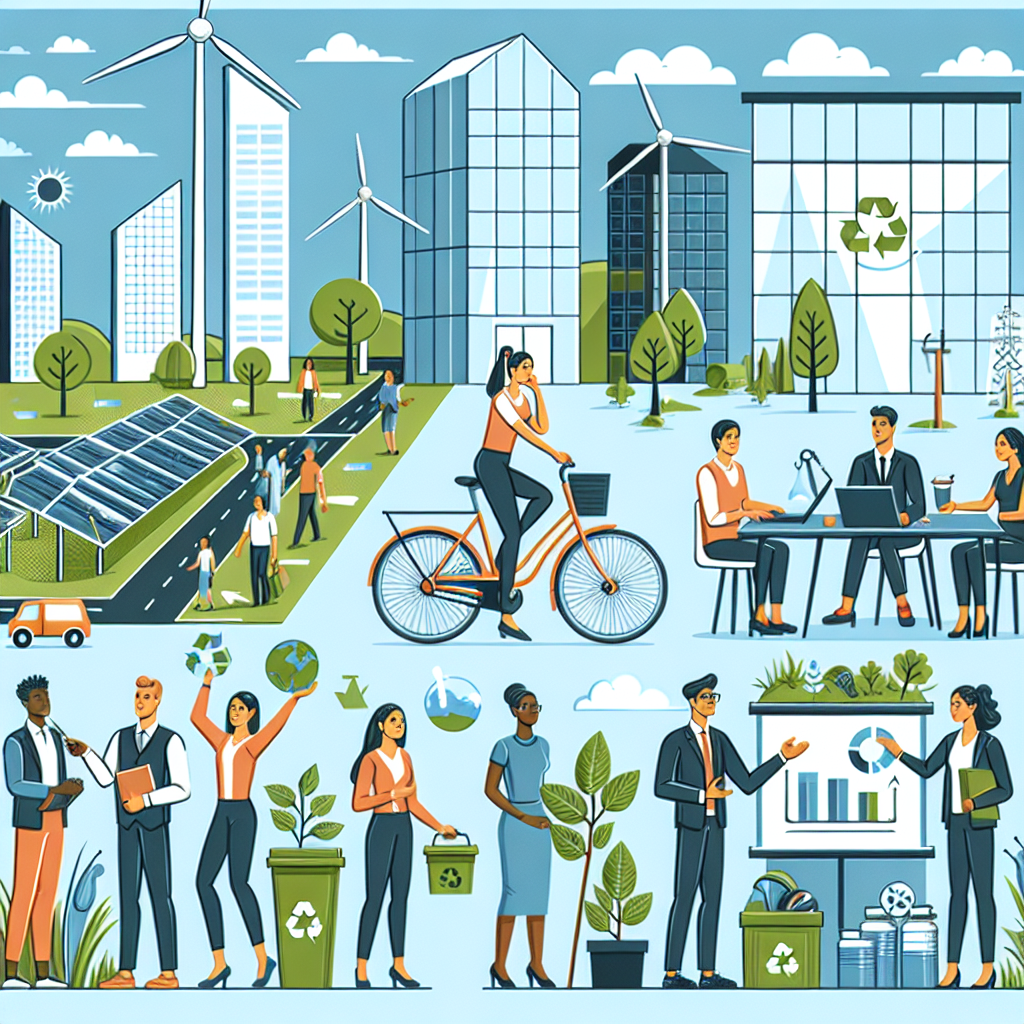
- Efficient Resource Management: Companies are optimizing energy use, reducing water consumption, and minimizing waste across their operations. This not only cuts costs but also decreases environmental impact.
- Sustainable Supply Chains: Responsible sourcing—prioritizing ethically made, low-impact materials—has become vital. Partnering with suppliers who share sustainability values further amplifies positive change.
- Circular Economy Models: Instead of traditional “take-make-waste” production, many businesses are designing products for reuse, repair, and recycling, prolonging their lifecycle and reducing landfill contributions.
- Carbon Footprint Reduction: Setting science-based targets to shrink emissions, investing in renewable energy, and supporting carbon offset projects are now common practices.
- Transparent Reporting: Stakeholders want to see progress. Modern companies disclose environmental, social, and governance (ESG) data in annual reports, demonstrating commitment and accountability.
Sustainability as Innovation
Adopting sustainable practices is driving innovation. Companies are creating new business models, developing eco-friendly products, and leveraging technology to track and optimize resource use. For example, big data and IoT sensors help companies monitor real-time energy consumption, while AI-driven logistics ensure smarter, lower-emission delivery routes. Sustainability has become a springboard for efficiency, creativity, and competitive advantage.
The Business Benefits
There’s a growing body of evidence linking sustainability to improved financial performance. Companies committed to sustainable practices report higher employee satisfaction, stronger customer loyalty, and less exposure to regulatory fines. Studies show they achieve greater cost savings, are better positioned to access capital, and outperform peers over the long term.
Getting Started: Steps Toward Sustainability
For companies new to sustainability, the journey begins with clear, achievable goals. Here’s how to get started:
- Assess Your Impact: Conduct a sustainability audit to understand where improvements are needed most.
- Engage Stakeholders: Collaborate with employees, suppliers, and customers to align on priorities and gather ideas.
- Set Measurable Goals: Define clear targets for reducing energy, waste, or emissions, then track progress publicly.
- Embed Sustainability in Company Culture: Encourage innovation, training, and reward systems centered on sustainable growth.
The New Business Standard
Sustainable practices are no longer optional—they are the foundation for a company’s social license to operate. Modern companies that rise to this challenge not only contribute to a better world but also position themselves for success in an increasingly conscientious marketplace. As sustainability becomes the norm, forward-thinking businesses that lead the charge will gain the trust and support of consumers, employees, and investors alike.
Ultimately, sustainability isn’t just about reducing harm. It’s about building resilient, innovative, and profitable companies equipped to thrive in the 21st century and beyond. Adopting sustainable practices isn’t just good for the planet—it’s the new standard for modern business.
* The post is written by AI and may contain inaccuracies.
About Author