How AI is Transforming Small Business Operations
How AI is Transforming Small Business Operations
Artificial Intelligence (AI) is more than just a buzzword—it’s become a powerful tool for businesses of all sizes, including small enterprises. While large corporations have long embraced advanced technologies, recent advances and accessible platforms mean small businesses can now harness AI to stay competitive and efficient. Here’s how AI is reshaping the landscape for small business operations.
1. Automated Customer Support
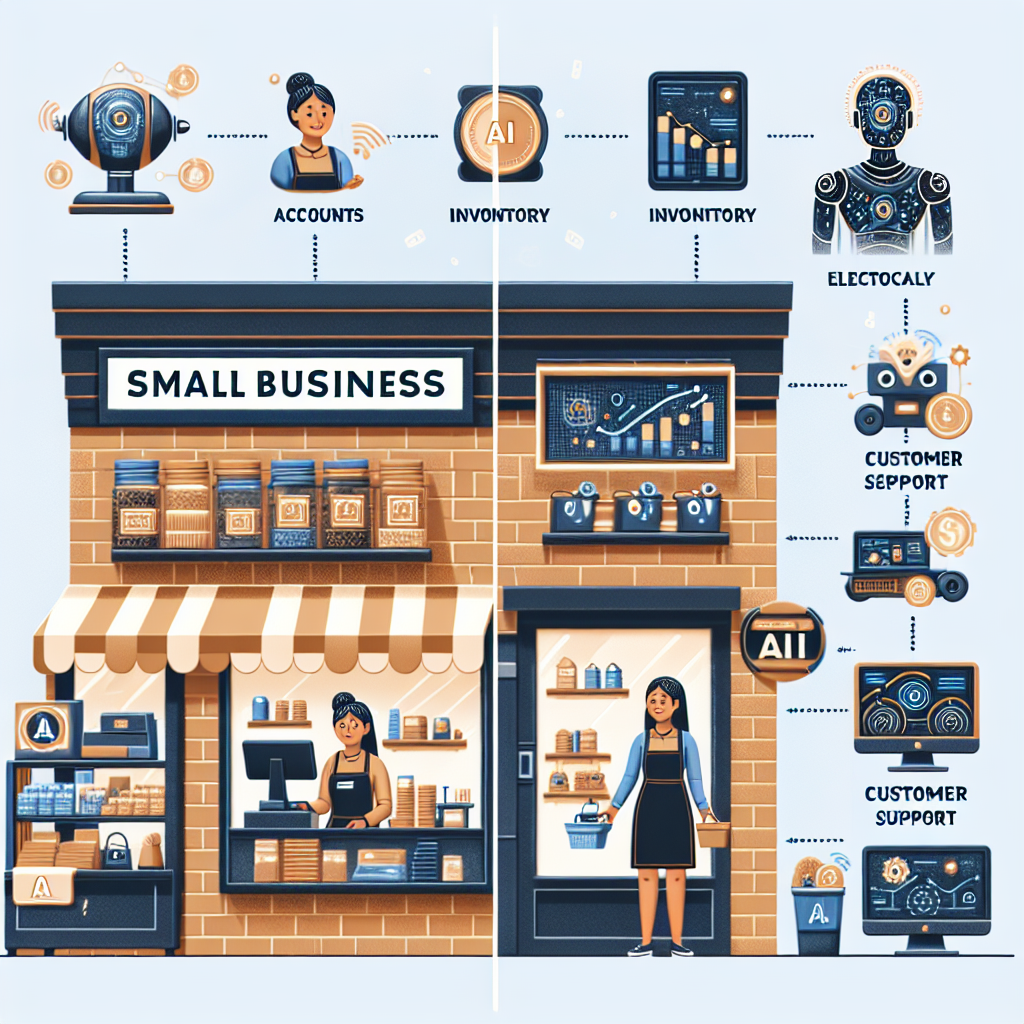
One of the most visible ways AI is changing small business is through customer service. AI-powered chatbots and virtual assistants can handle routine customer queries 24/7, reducing the burden on human staff. These tools can answer FAQs, schedule appointments, process simple orders, and collect customer feedback. Not only does this improve customer satisfaction by offering immediate response times, but it also allows human employees to focus on complex tasks that require personal attention.
2. Personalized Marketing and Recommendations
AI analyzes customer data—such as previous purchases, browsing history, and online interactions—to create tailored marketing campaigns. Small businesses can use AI-driven email platforms and social media tools to send personalized messages and offers, increasing engagement and conversion rates. Algorithms also power product recommendations, ensuring customers discover goods and services they’re likely to appreciate, thus boosting sales.
3. Streamlined Inventory and Supply Chain Management
Managing inventory can be challenging for small businesses with limited staff and resources. AI solutions help by predicting demand patterns, tracking inventory levels in real time, and automating re-ordering processes. This reduces the risks of stockouts or overstock, optimizing both space and working capital. Additionally, AI tools can forecast supply chain bottlenecks, allowing businesses to plan proactively and mitigate disruptions.
4. Smarter Financial Management
AI is revolutionizing bookkeeping and financial planning for small businesses. AI-driven accounting software categorizes transactions, reconciles accounts, detects anomalies, and even suggests strategies for cash flow optimization. Some platforms use natural language processing so business owners can ask questions about their finances and receive clear, actionable answers. These systems can minimize bookkeeping errors and provide valuable insights for strategic decision-making.
5. Enhanced Recruitment and HR Processes
Recruiting the right talent is crucial for small business growth. AI-powered applicant tracking systems screen resumes, shortlist candidates, and even conduct initial assessments. This streamlines the hiring process, saving time and improving the chances of finding the ideal candidate. AI-driven HR tools also monitor employee productivity, facilitate onboarding, and support training programs, helping small businesses build and retain strong teams.
6. Improved Data Security
Cybersecurity threats are a major concern, and small businesses are often targeted due to perceived weaker defenses. AI-based security systems monitor for unusual activity, detect threats in real time, and learn from new threats to improve over time. Automated responses can isolate and mitigate risks before they cause significant damage, giving small business owners peace of mind regarding data protection.
7. Low-Code and No-Code AI Tools
Historically, implementing AI required specialized expertise and big budgets. Today, there’s a growing array of user-friendly, low-code or no-code AI platforms. These tools empower small business owners and employees to set up automations, analyze data, or launch AI-powered features with little or no programming experience. This democratization of AI levels the playing field with larger competitors.
The Road Ahead
AI has evolved from a futuristic concept into a practical set of tools that small businesses can use to work smarter and faster. From customer service to inventory, marketing to hiring, AI delivers efficiency, cost savings, and better customer experiences. As more accessible solutions continue to emerge, small businesses that embrace AI will be well-positioned to innovate and thrive in today’s dynamic marketplace.
Conclusion
Adopting AI doesn’t mean replacing humans or completely overhauling the way a business runs. Instead, it offers small businesses the means to automate repetitive tasks, make smarter decisions, and deliver greater value to their customers. By starting small—integrating one or two AI tools—business owners can see tangible benefits and build momentum for further innovation. The future of small business is smart, adaptive, and AI-powered.
* The post is written by AI and may contain inaccuracies.
About Author