Emerging Business Trends to Watch in 2026
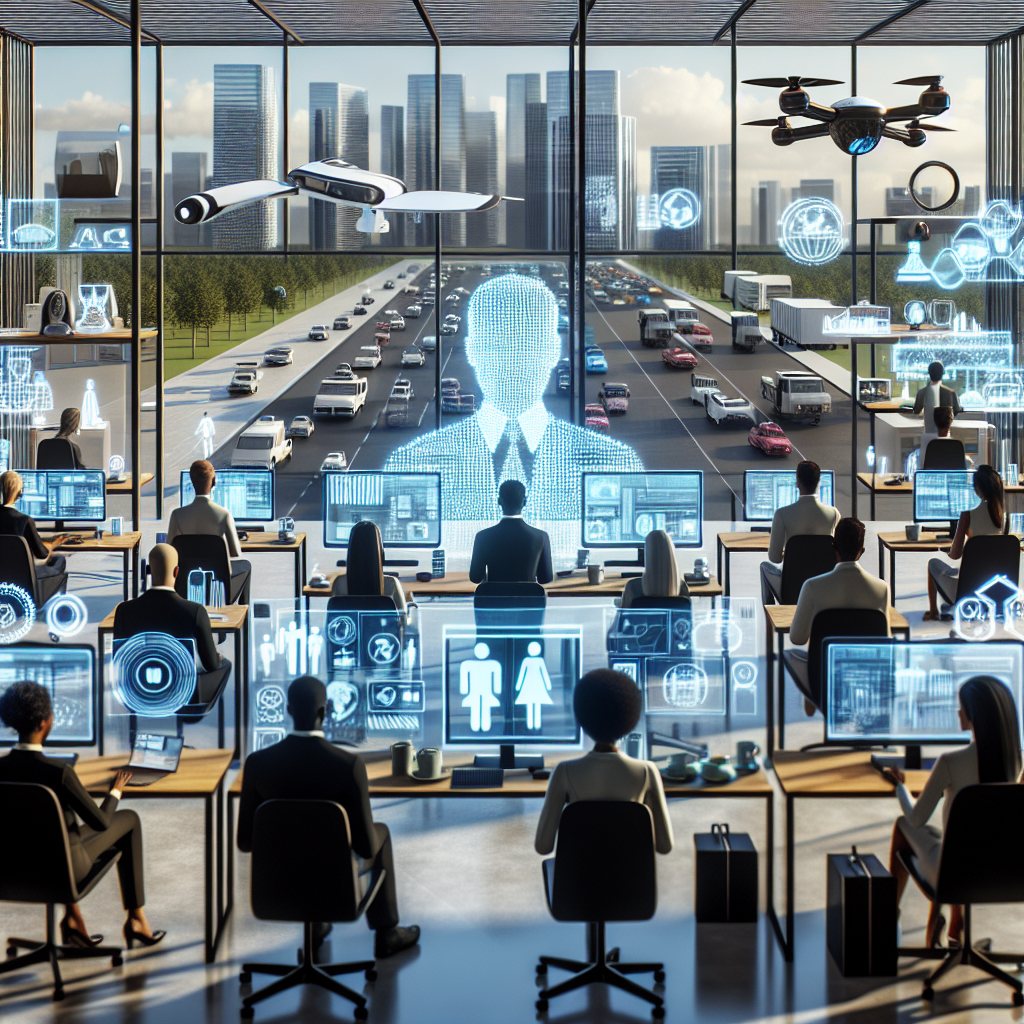
Emerging Business Trends to Watch in 2026
As we move toward the middle of the decade, business leaders face an environment defined by rapid change, innovation, and growing complexity. The year 2026 will dawn with new challenges but also extraordinary opportunities. Here are the top emerging trends that will shape industries, influence strategy, and impact growth in the coming years.
1. Artificial Intelligence Goes Mainstream
While AI has been on the radar for years, 2026 will see artificial intelligence reach a tipping point in both adoption and sophistication. With the cost of AI tools and computing dropping, small and medium-sized enterprises (SMEs) will deploy intelligent automation not just for data analytics, but also for customer support, design, and supply chain management. Expect to see widespread AI-powered personalization in marketing, dynamic pricing adjustments, and even machine-driven strategy recommendations becoming a routine part of business operations.
2. Sustainable Transformation: Going Beyond CSR
Sustainability will move from being a ‘nice-to-have’ to a core business imperative. Customers, investors, and regulators are demanding more than just surface-level commitments. In 2026, businesses will be measured not only by financial returns but also by their societal and environmental impact. This means life cycle analysis, transparent supply chains, and circular economy models will become industry standards. Businesses embracing this shift will benefit from stronger brands, talent acquisition, and improved investor sentiment.
3. Remote and Flexible Work Evolves
The remote work revolution started as a necessity, but by 2026, it will have evolved into a strategic advantage. Companies will adopt “work from anywhere” models as a default, leveraging advanced collaboration platforms, digital twins, and real-time co-working tools. Expect office spaces to transform into experience hubs meant for team building and innovation rather than day-to-day productivity. Businesses that excel in this new paradigm will attract global talent and enjoy reduced overheads.
4. Hyper-Personalized Customer Experiences
Consumers of 2026 will demand—and expect—deeply personalized experiences across digital touchpoints. Advances in AI and customer data platforms (CDPs) will allow businesses to deliver tailored content, products, and services in real time. Privacy will remain paramount, however, pushing companies to adopt zero-party data strategies: collecting information directly and transparently from customers. Businesses that balance personalized engagement with privacy assurance will win greater loyalty.
5. Decentralized Finance and Payments
The financial sector is undergoing massive disruption. By 2026, blockchain-based technologies, digital currencies, and decentralized finance (DeFi) platforms will have transitioned from fringe experiments to day-to-day business tools. Companies will increasingly accept digital currencies, use smart contracts for efficiency, and access working capital via alternative financing. This trend will enhance global commerce, especially in previously underserved markets, and increase the need for robust cybersecurity and regulatory compliance.
6. Resilience Through Supply Chain Reinvention
Recent global events have exposed supply chain vulnerabilities. Moving into 2026, businesses will reimagine supply networks for greater resilience, flexibility, and transparency. This includes nearshoring, diversified manufacturing, and the adoption of advanced tracking technologies such as IoT sensors and real-time analytics. Supply chain visibility platforms will be essential for managing risk, improving sustainability, and increasing responsiveness to shifting market demands.
7. The Rise of the Green Collar Economy
The push toward decarbonization is sparking a surge in “green collar” jobs within clean energy, sustainability consulting, circular manufacturing, and regenerative agriculture. Businesses that invest in reskilling their workforce and developing new competencies in these areas will stay ahead. Collaborations with universities and vocational programs can create pipelines for new talent, while internal upskilling will keep current teams competitive and engaged.
8. Human-AI Collaboration in Decision Making
Rather than replacing humans, advanced AI systems in 2026 will increasingly act as decision partners. Expect “augmented intelligence” platforms that blend human judgment with machine-driven insight, helping leaders make better, faster decisions. The businesses that thrive will be those that foster a culture of continuous learning—where employees are trained to collaborate effectively with intelligent systems and to critically evaluate algorithmic recommendations.
Conclusion: Adapting to an Accelerating Future
The next few years promise innovation, disruption, and incredible opportunity. In 2026, successful businesses will not simply follow trends—they will anticipate them, adapt with agility, and foster cultures of learning and experimentation. Tracking these emerging trends and embracing transformation today will position companies for leadership and resilience tomorrow.
Stay attuned to these shifts and ensure your business strategy is flexible, forward-thinking, and rooted in values that resonate with the next generation of customers and employees. The future belongs to those who shape it—make sure your business is ready for 2026 and beyond.
* The post is written by AI and may contain inaccuracies.
About Author