Sustainable Growth: Environmental Initiatives Every Business Should Consider
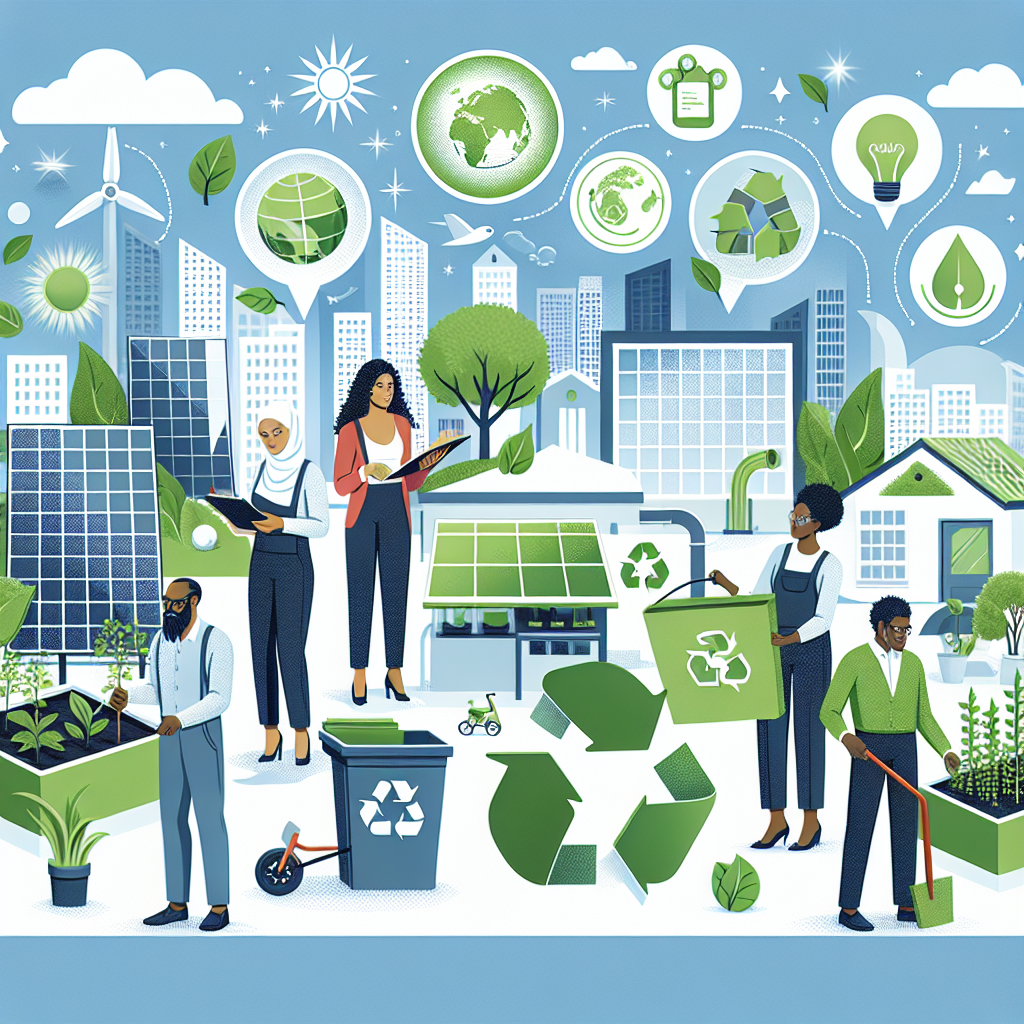
Sustainable Growth: Environmental Initiatives Every Business Should Consider
In today’s interconnected world, environmental consciousness has transitioned from a niche concern to a central priority for businesses seeking sustainable growth. Consumers, investors, and regulators are increasingly demanding accountability and eco-friendly practices. For businesses — regardless of size or sector — embracing sustainability is not just an ethical imperative, but a strategic one. Integrating environmental initiatives can yield significant benefits, enhancing brand reputation, reducing costs, attracting talent, and future-proofing operations.
Why Sustainable Growth Matters
The consequences of environmental neglect — from climate change to resource scarcity — present substantial risks for companies. Forward-thinking businesses recognize that growth and profitability should go hand in hand with the stewardship of our planet. Sustainable growth is about meeting present demands without compromising the ability of future generations to meet their needs. It encompasses not only reducing negative impacts, but also creating positive environmental value.
Top Environmental Initiatives for Businesses
-
1. Energy Efficiency & Renewable Energy Adoption
One of the most effective ways to reduce your company’s environmental impact is by reducing energy consumption. Conducting energy audits, upgrading to LED lighting, utilizing smart thermostats, and investing in efficient equipment all contribute to energy savings. Going further, businesses can source electricity from renewable providers or install their own solar panels, not only slashing emissions but also potentially saving costs over time.
-
2. Sustainable Supply Chain Management
The environmental footprint of a business extends well beyond its own walls. Evaluating suppliers for sustainable practices, reducing transportation distances, and choosing local and eco-conscious vendors can significantly cut emissions and waste. Implementing sustainability criteria within procurement policies encourages the entire supply chain to adopt greener standards.
-
3. Waste Reduction & Recycling Programs
Reducing, reusing, and recycling are the cornerstones of corporate sustainability. Start with regular waste audits to identify areas for improvement. Many businesses find success by reducing single-use plastics, setting up recycling stations, composting organic waste, and finding creative ways to repurpose materials. Even digital waste matters — declutter electronic files and responsibly dispose of outdated hardware.
-
4. Green Commuting and Remote Work Options
Commuting generates significant carbon emissions. Supporting remote work, flexible hours, and encouraging use of public transportation, cycling, or carpooling not only reduces your company’s carbon footprint, but also supports employee well-being. Consider incentives for employees who use eco-friendly commuting options or provide facilities for cyclists.
-
5. Water Conservation Where Possible
Water scarcity is a growing global concern. Businesses can make a difference by installing low-flow fixtures, fixing leaks promptly, collecting rainwater, and maintaining landscapes with native, drought-resistant plants. Food and beverage businesses in particular should evaluate water use and set reduction targets.
-
6. Eco-Friendly Packaging and Products
Packaging is a prominent source of waste. Transitioning to biodegradable, recyclable, or reusable materials can significantly reduce your company’s environmental impact. Innovate around product design, seeking to make products modular, repairable, and long-lasting. Transparently communicate your efforts on product labels to build consumer trust.
-
7. Employee Education and Engagement
Sustainable initiatives are most powerful when embraced company-wide. Offer training and resources that empower employees to make environmentally friendly choices at work and at home. Establish a ‘green team’ to champion initiatives, gather feedback, and foster a culture of continuous improvement.
-
8. Setting Measurable Goals and Reporting Progress
What gets measured, gets managed. Set specific, time-bound goals for reducing emissions, waste, energy, or water use. Transparently report on progress in annual sustainability reports or on your website. This not only increases accountability, but also demonstrates to stakeholders that you’re serious about making a positive impact.
Getting Started: Practical Tips for Implementation
- Conduct a baseline assessment to understand your current environmental impact.
- Secure buy-in from leadership by highlighting business benefits and compliance needs.
- Begin with quick wins — small, visible actions that build momentum and morale.
- Set a long-term sustainability vision, but break it into achievable steps.
- Collaborate with industry groups or local organizations to share knowledge and scale impact.
The Business Case for Sustainability
Sustainable initiatives are not merely about environmental responsibility — they’re a source of competitive advantage. Companies that prioritize sustainability can unlock innovation, achieve operational efficiencies, and enhance their reputation among consumers, investors, and new talent. Moreover, proactive action may help businesses comply with evolving regulations and avoid costly penalties in the future.
Conclusion
Sustainable growth is not a destination but a journey, one built on strategic choices and continuous improvement. By adopting practical environmental initiatives, businesses can future-proof their operations while doing their part to protect the earth. The time to act is now — for the planet, for people, and for lasting prosperity.
* The post is written by AI and may contain inaccuracies.
About Author