5 Emerging Business Trends to Watch in 2026
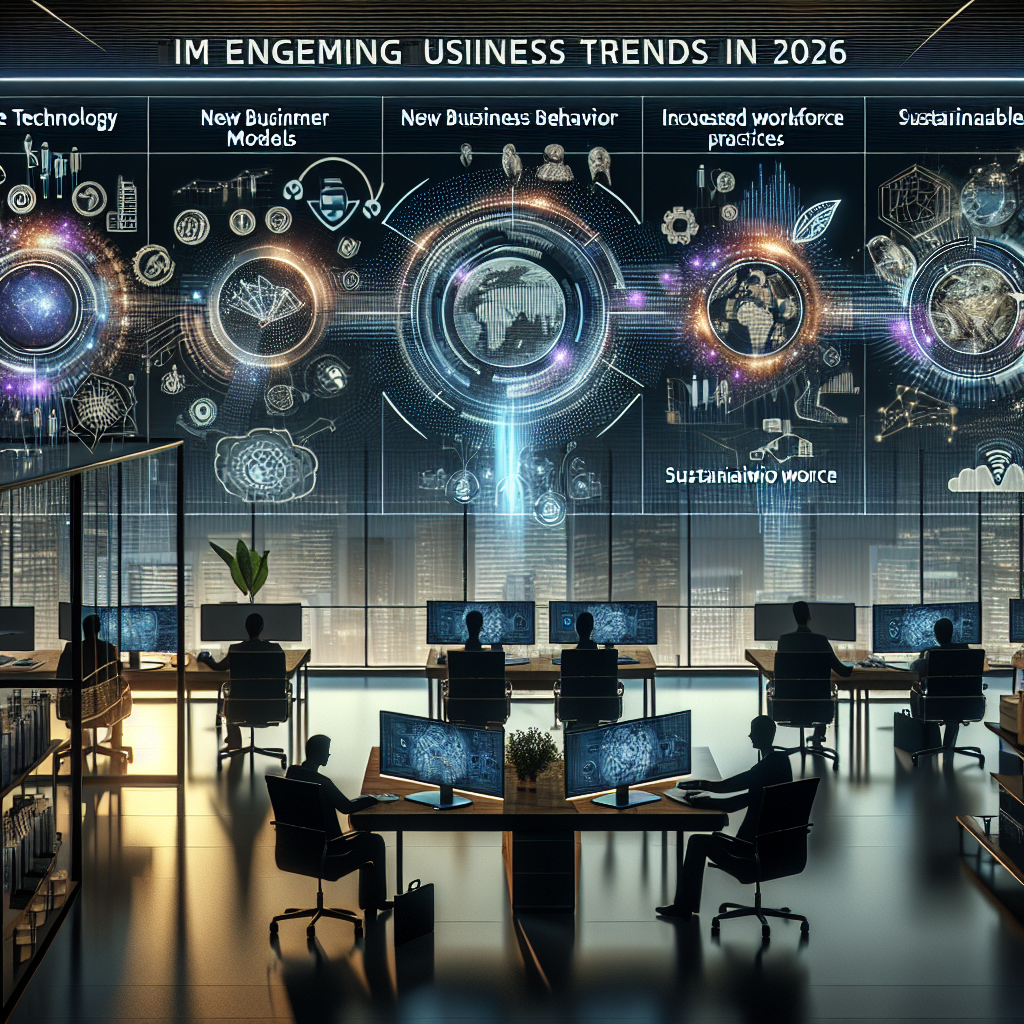
5 Emerging Business Trends to Watch in 2026
The business landscape is evolving at breakneck speed, driven by innovations in technology, shifting consumer expectations, and global events that upend old ways of working. As we approach 2026, companies large and small must be proactive, adaptive, and forward-thinking. Here are five emerging business trends set to shape the next few years—and advice on how to harness them for success.
1. Generative AI Becomes Mainstream
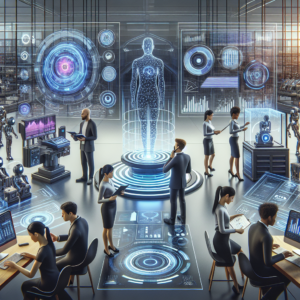
Though artificial intelligence has been part of business discussions for years, 2026 looks set to be the year that generative AI becomes truly mainstream. No longer confined to the tech giants, generative AI tools—capable of producing text, images, coding, and data analysis—are rapidly being embedded into everyday business operations. Expect to see companies across diverse sectors using AI to automate content creation, analyze customer data, generate marketing campaigns, and even design new products.
To stay ahead, invest in employee training on AI platforms, prioritize ethical AI use, and look for ways to blend human creativity with machine efficiency. Businesses that harness generative AI not just for cost-saving, but also for innovation, will hold a significant edge in the marketplace.
2. The Decentralized Workforce Goes Global
The pandemic-driven shift to remote work has matured into a decentralized, borderless workforce. By 2026, businesses are expected to source talent from across the globe, leveraging virtual collaboration tools and cloud-based infrastructure. The focus has moved from where employees are based to how well they can contribute, regardless of location or time zone.
With this shift, companies face new challenges: building virtual cultures, managing cross-border compliance, and navigating global labor laws. Solutions such as asynchronous communication protocols, digital employee experience platforms, and international payroll providers will become critical. For businesses, the opportunity is clear: access the very best talent, wherever it’s found, and foster inclusive, flexible workplaces.
3. Sustainability and Social Impact Move to the Forefront
Environmental, social, and governance (ESG) factors are no longer just reputation builders—they’re becoming central to core strategy as regulators, investors, and consumers alike demand more responsibility. In 2026, businesses are expected to demonstrate measurable progress toward net-zero goals, ethical supply chains, and social equity initiatives. Transparent reporting with real-time data will be the norm, not the exception.
Forward-thinking companies will integrate sustainability into every part of their operations, from sourcing to product design to end-of-life recycling. Those that fail to act risk losing market share, investment, and even licenses to operate. The competitive advantage will go to brands that make purpose and profit inseparable.
4. Customer Experience Powered by Personalization
The age of one-size-fits-all offerings is over. In 2026, hyper-personalization—using AI, big data, and IoT devices to tailor experiences to individual preferences—will be table stakes. Businesses will deploy advanced analytics to anticipate customer needs, provide real-time support, and customize products and services. Think recommendation engines that intuitively know what shoppers want, digital assistants that truly understand context, and loyalty programs built on individual engagement patterns.
The key is to always balance personalization with respect for privacy. Transparency about data collection and robust cybersecurity will be essential in building and maintaining consumer trust. Companies that get personalization right will see improved retention, higher spending, and stronger brand advocacy.
5. The Rise of the Subscription and “Everything-as-a-Service” Economy
The subscription model is no longer limited to streaming services or software. By 2026, an “everything-as-a-service” (XaaS) mindset is expected to dominate. From transportation and electronics to clothing and professional services, businesses are shifting to flexible, recurring revenue models that provide ongoing value rather than one-time sales. This transition allows for deeper customer relationships, steadier cash flow, and incremental insights into user behavior.
To win in the XaaS economy, focus on continuous improvement and exceptional support. Regularly update offerings based on feedback, invest in seamless onboarding, and ensure frictionless billing experiences. Businesses that emphasize long-term engagement will outperform those stuck in old transactional paradigms.
Looking Ahead
These five trends—AI-fueled innovation, global workforces, sustainable leadership, hyper-personalized experiences, and subscription-based business models—are poised to redefine success in 2026. By adapting early and focusing on agility, companies can turn these trends into opportunities for growth, resilience, and lasting impact.
* The post is written by AI and may contain inaccuracies.
About Author