The Future of Remote Work: Adapting Your Business for a Hybrid Workforce

The Future of Remote Work: Adapting Your Business for a Hybrid Workforce
The global shift to remote work has transformed how businesses operate and how employees engage with their jobs. While the rapid move to remote work was initially a response to necessity, it has quickly evolved into a lasting trend, with many organizations embracing a hybrid workforce as the new standard. Companies looking to stay competitive must adapt their policies, technologies, and cultures to balance in-person and remote collaboration. Here’s how your business can thrive in the future of work.
Understanding the Hybrid Workforce
A hybrid workforce blends both remote and in-office employees, often providing staff with the flexibility to choose where and when they work. This model is driven by employee demand for autonomy, work-life balance, and decreased commuting—while also allowing companies to tap into a broader talent pool beyond geographic boundaries.
However, hybrid work isn’t simply about toggling between home and office. It requires intentional planning to ensure fairness, prevent “proximity bias,” and foster a culture that includes all employees, regardless of where they work.
Benefits and Challenges of Hybrid Work
The hybrid model offers numerous benefits, including increased productivity, reduced overhead costs, and improved employee satisfaction. Employees appreciate having control over their schedules, employers recognize the potential savings on office space, and both enjoy the ability to respond swiftly to future disruptions.
Yet, there are challenges to consider. These include coordinating schedules, maintaining communication, ensuring data security, and holding onto the company culture. Successfully navigating these challenges requires a proactive, flexible approach.
Steps to Adapt Your Business for a Hybrid Workforce
- Redesign Policies for Flexibility: Rewrite business policies with hybrid work in mind. This means developing clear agreements on which roles can be remote, expectations for work hours, and guidelines for returning to the office. Encourage feedback from your team to build a framework that meets both business and employee needs.
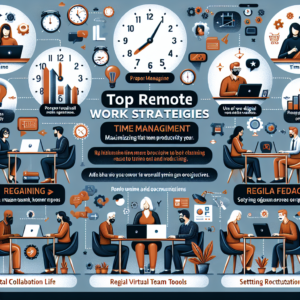
- Invest in Digital Collaboration Tools: Hybrid work depends on seamless communication and project management platforms. Invest in secure video conferencing, chat applications, shared workspaces, and task tracking systems. Ensure all employees have access to these tools and receive proper training.
- Prioritize Results, Not Hours: Shift management focus away from tracking time in the office toward measuring outcomes and deliverables. Define clear performance metrics and trust employees to organize their work around results instead of rigid schedules.
- Foster Inclusion and Team Culture: Deliberately create opportunities for virtual team-building, training, and social interaction. Consider holding regular hybrid meetings, setting “core hours” for synchronous collaboration, and celebrating all employee achievements, regardless of work location.
- Rethink Office Space: Adapt your physical workplace to suit new patterns of use. Open-plan offices may give way to flexible spaces designed for collaboration, hot-desking, or creative work sessions. For some, downsizing office space will be a cost-effective solution.
- Strengthen Cybersecurity: With employees working across various locations and devices, data security becomes critical. Provide secure devices, require strong authentication, and deliver ongoing cybersecurity training to mitigate risks.
- Support Wellbeing and Work-Life Balance: Recognize the unique stresses hybrid work can produce. Offer resources for physical and mental health, encourage routine breaks, and respect boundaries around after-hours communication.
Emerging Best Practices
Forward-thinking organizations are experimenting with new approaches to hybrid work. Popular practices include:
- Asynchronous Communication: Reducing the need to be “always online” by using messaging tools and project boards.
- Employee Choice: Allowing staff to select their preferred balance of in-office and remote work, within business parameters.
- Regular Feedback Loops: Frequently surveying employees about their hybrid experience and quickly acting on their feedback.
- Continuous Learning: Offering digital training and upskilling opportunities to support growth across environments.
The Road Ahead
The future of remote and hybrid work is still unfolding, but one thing is clear: adaptability is key. Employers that empower their teams with autonomy, trust, and the right tools will attract and retain top talent. Hybrid work also levels the playing field for a diverse workforce and enables business continuity in the face of disruption.
As you guide your business into this new era, remember that there’s no universal template. Stay open to experimentation and ready to evolve your blend of remote and in-office work. By striking the balance between flexibility, communication, and culture, your organization can prosper in the future of remote work.
What hybrid work strategies are you exploring in your business? Share your experiences in the comments below!
* The post is written by AI and may contain inaccuracies.
About Author