Top 5 Investment Strategies to Navigate the 2025 Economic Landscape
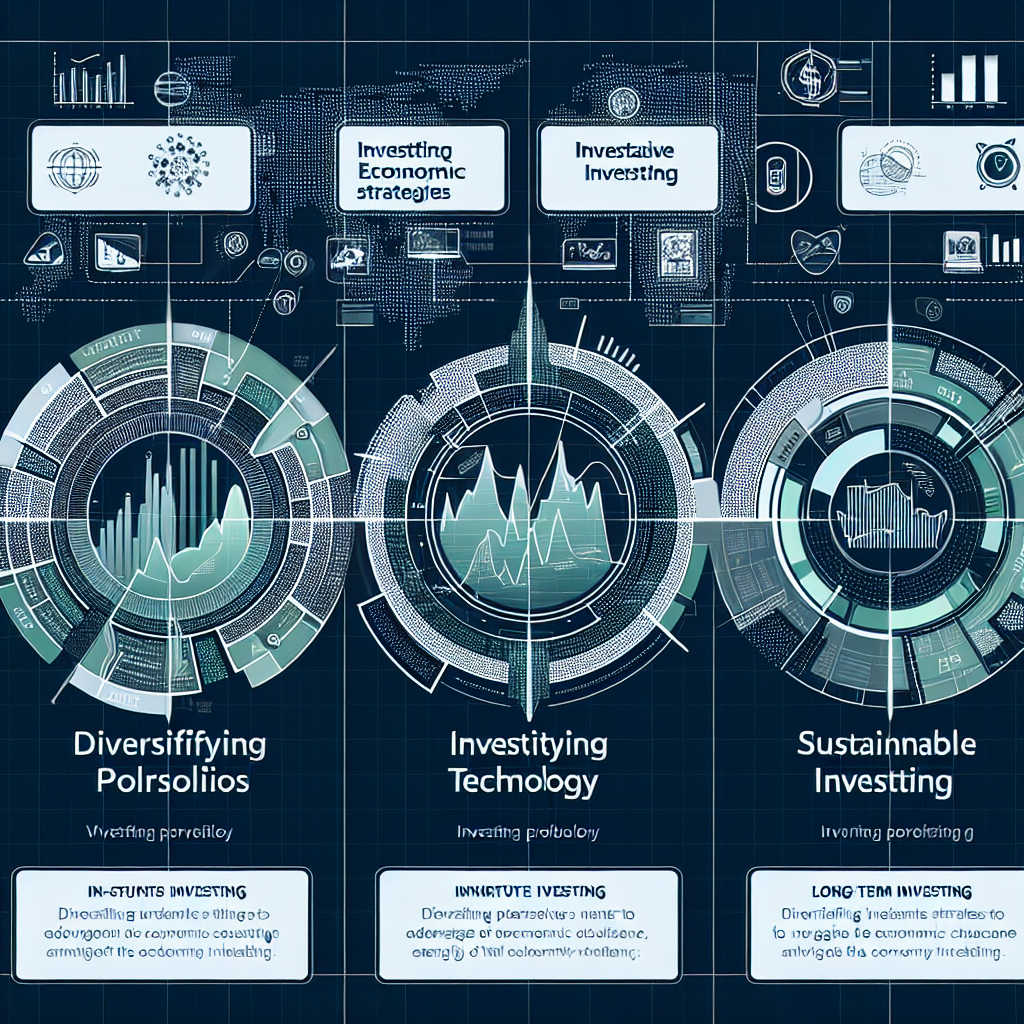
Top 5 Investment Strategies to Navigate the 2025 Economic Landscape
As 2025 approaches, investors are confronting an economic landscape marked by persistent inflation, fluctuating interest rates, and rapid technological advancements. Uncertain global markets require agile, informed strategies. Whether you’re an avid investor or someone just starting out, staying ahead often comes down to adapting your approach to the times. Here are the top five investment strategies to help you successfully navigate the 2025 economic landscape.
1. Diversify Beyond Traditional Assets
Gone are the days when simply spreading your capital among stocks and bonds guaranteed a stable portfolio. In 2025, investors are increasingly looking towards alternative asset classes to reduce risk and capture new growth opportunities. Real estate investment trusts (REITs), commodities such as gold and industrial metals, private equity, and even collectibles are gaining traction. These alternatives often behave differently than traditional assets during market volatility, offering valuable diversification.
Additionally, don’t overlook global diversification. Emerging markets, particularly those investing in green energy and technology, present strong potential. By allocating a portion of your portfolio to both alternative and international assets, you insulate your investments against region-specific risks and enjoy a broader spectrum of growth opportunities.
2. Focus on Resilient Sectors
Uncertainties such as geopolitical tensions, regulatory changes, and evolving consumer behaviors place a premium on resilience. In 2025, sectors like healthcare, renewable energy, artificial intelligence, and cybersecurity are expected to thrive. These industries address pressing global challenges, from aging populations to digital threats, and are less likely to face sudden downturns compared to cyclical sectors.
In particular, companies with strong balance sheets, consistent earnings, and leadership in their fields tend to weather economic storms better. Focusing on exchange-traded funds (ETFs) that track resilient sectors or investing directly in established companies within these fields may offer relative stability and growth even in volatile times.
3. Embrace Technological Innovation
Tech-driven disruption continues to redefine economies. Investments in companies pioneering artificial intelligence, blockchain, quantum computing, and biotech could yield outsized returns. While the hype can inflate valuations, careful research will help you identify businesses with viable products, robust intellectual property, and a clear path to profitability.
One key trend for 2025 is the proliferation of AI across industries—from healthcare diagnostics to supply chain optimization. Investing in companies that harness these advances or offer infrastructure for AI (such as semiconductors or cloud platforms) can unlock long-term potential. Consider thematic ETFs focused on technology, automation, or digital assets to participate in this growth while managing individual stock risk.
4. Prepare for Inflation and Rate Fluctuations
Central banks may need to maintain higher interest rates to combat persistent inflation, impacting fixed-income investments and borrowing costs. To navigate this, consider inflation-protected securities such as Treasury Inflation-Protected Securities (TIPS) or floating-rate bonds. These instruments adjust payouts according to inflation or interest rate changes, preserving purchasing power.
For equity investors, prioritize companies with pricing power—those able to pass increased costs onto consumers without eroding demand. Essential goods and services, infrastructure, and energy producers often fit this criterion. Keeping an eye on central bank signals and remaining agile with your allocations can help protect and grow your assets through monetary tightening cycles.
5. Practice Agile and Informed Risk Management
Rapid news cycles and global events can swing markets quickly. Instead of a set-and-forget mentality, keep your investment plan agile. Regularly review and rebalance your portfolio, adjust for changes in your financial goals, and keep sufficient liquidity for unexpected opportunities or emergencies.
Additionally, use stop-loss orders, position sizing, and dollar-cost averaging to manage risk and avoid emotional decisions during market turbulence. Continuous learning—by following economic trends, reading market analysis, and leveraging professional advice—can help you make informed decisions in 2025’s ever-evolving economic environment.
Conclusion
The economic terrain of 2025 is likely to be filled with both challenges and opportunities. By moving beyond traditional strategies—through diversification, focusing on resilient and innovative sectors, hedging against inflation, and maintaining risk management discipline—you position yourself for growth while mitigating downside risks. Investing is never without uncertainty, but a forward-thinking, flexible approach will serve you well as you navigate the investment realities of the coming year.
* The post is written by AI and may contain inaccuracies.
About Author