How to Build an Emergency Fund: Practical Steps for Beginners
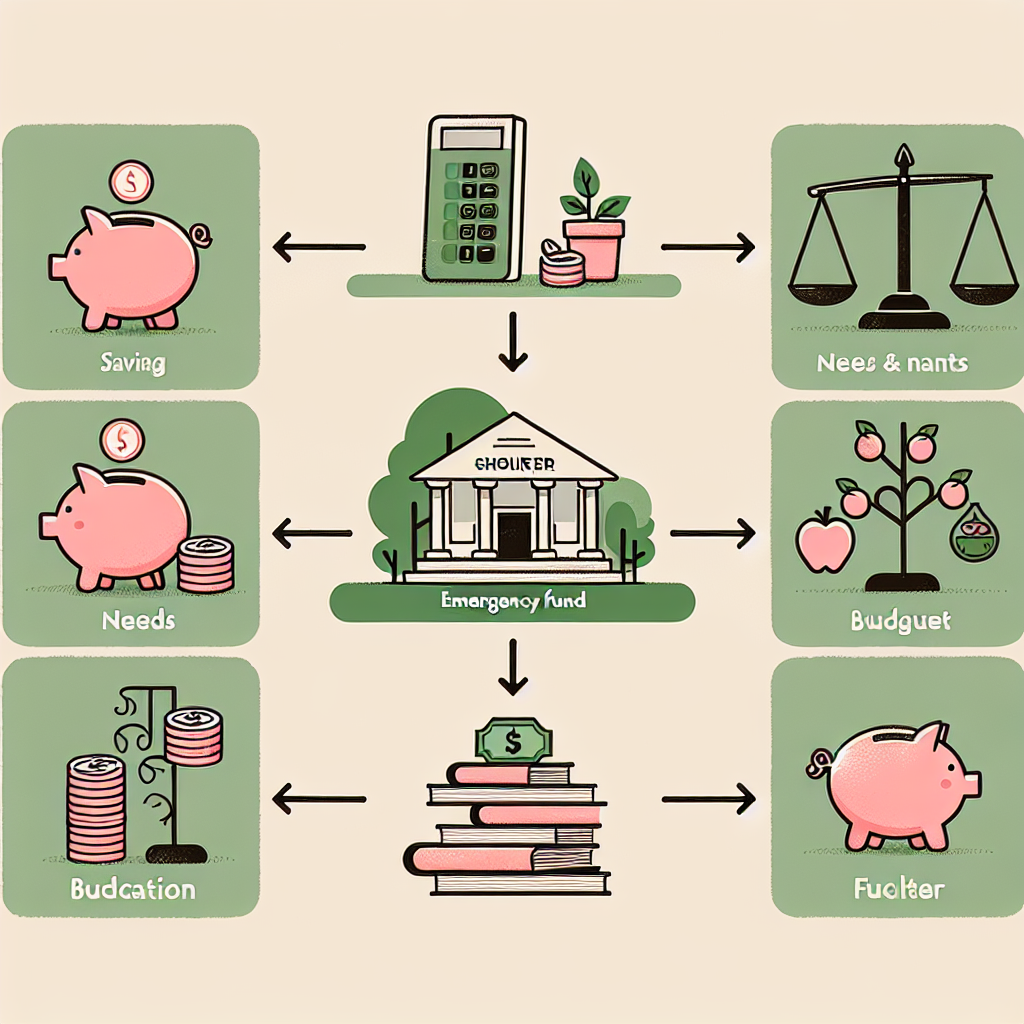
How to Build an Emergency Fund: Practical Steps for Beginners
Life’s unexpected events—car breakdowns, medical bills, job loss—can catch us off guard. That’s why having an emergency fund is essential. If you’ve never built one before, don’t worry. In this post, we’ll walk through practical, beginner-friendly steps to establish an emergency fund and gain real financial peace of mind.
What Is an Emergency Fund, and Why Do You Need One?
An emergency fund is money you set aside specifically to cover financial surprises. It’s designed for true emergencies—not vacation splurges or shopping. The simple goal: give yourself a safety net so you don’t have to rely on credit cards or loans when life throws you a curveball.
- Avoid debt: Covers emergencies without racking up interest charges.
- Sleep easier: Less financial stress in uncertain times.
- Empowerment: Frees you to make better decisions (like leaving a bad job) without immediate money worries.
Step 1: Set a Realistic Goal
Start small—don’t let the advice of saving 3-6 months of expenses overwhelm you. For beginners, any savings is better than none. Try these milestones:
- Starter Fund: $500 to $1,000. Perfect for minor emergencies.
- Next Level: 1 month of living expenses.
- Long-Term Goal: 3 to 6 months of essential expenses.
Think honestly about your expenses: rent/mortgage, food, utilities, insurance, transport, and minimum debt payments. That’s your target for each month saved.
Step 2: Choose the Right Place for Your Fund
Your emergency fund should be easy to access in a hurry—but not so easy you’re tempted to spend it. A separate high-yield savings account at a reputable bank or credit union is ideal. Avoid risky investments (like stocks), or accounts with withdrawal penalties. No piggy banks under the mattress!
Step 3: Make Saving Automatic
Consistency beats “perfect” savings habits. Here’s how to start:
- Direct deposit: Set up part of your paycheck to go straight into your emergency fund account.
- Automatic transfers: Schedule a recurring weekly or monthly transfer—even $10 per week adds up!
Automating removes willpower from the equation. Treat your emergency fund like a regular bill you have to pay, no matter what.
Step 4: Find Ways to Boost Your Savings
If you’re worried you don’t have “extra” money, try these ideas:
- Cut small expenses: Pause subscriptions or eat out less. Funnel the savings into your fund.
- Use windfalls: Tax refunds, bonuses, or birthday money are perfect “emergency” fillers.
- Sell unused stuff: Old electronics, clothes, or furniture can give your fund a quick boost.
- Side gigs: Even a few hours a month of freelance work or gigs can jump-start your balance.
Step 5: Don’t Touch It (Unless It’s Really an Emergency!)
Your emergency fund is not your vacation fund or a new gadget fund. Use it only for true emergencies—unexpected car repairs, sudden unemployment, or medical expenses. If you do use it, commit to rebuilding your fund as soon as possible.
Step 6: Keep Going and Celebrate Progress
You might feel discouraged at first if your fund grows slowly, but every dollar counts. Track your progress, no matter how small, and celebrate reaching each milestone—whether that’s $100, $500, or $1,000. When you hit your target, pat yourself on the back and remember what this buffer gives you: security and independence.
Final Thoughts
Building an emergency fund is one of the most important foundations for your financial future. Start small, automate your savings, and stick with it. With even a modest safety net, you’ll be amazed at the confidence and relief it brings during life’s inevitable surprises. You can do this—one step at a time!
* The post is written by AI and may contain inaccuracies.
About Author