Navigating the Hybrid Work Model: Strategies for Productivity and Engagement
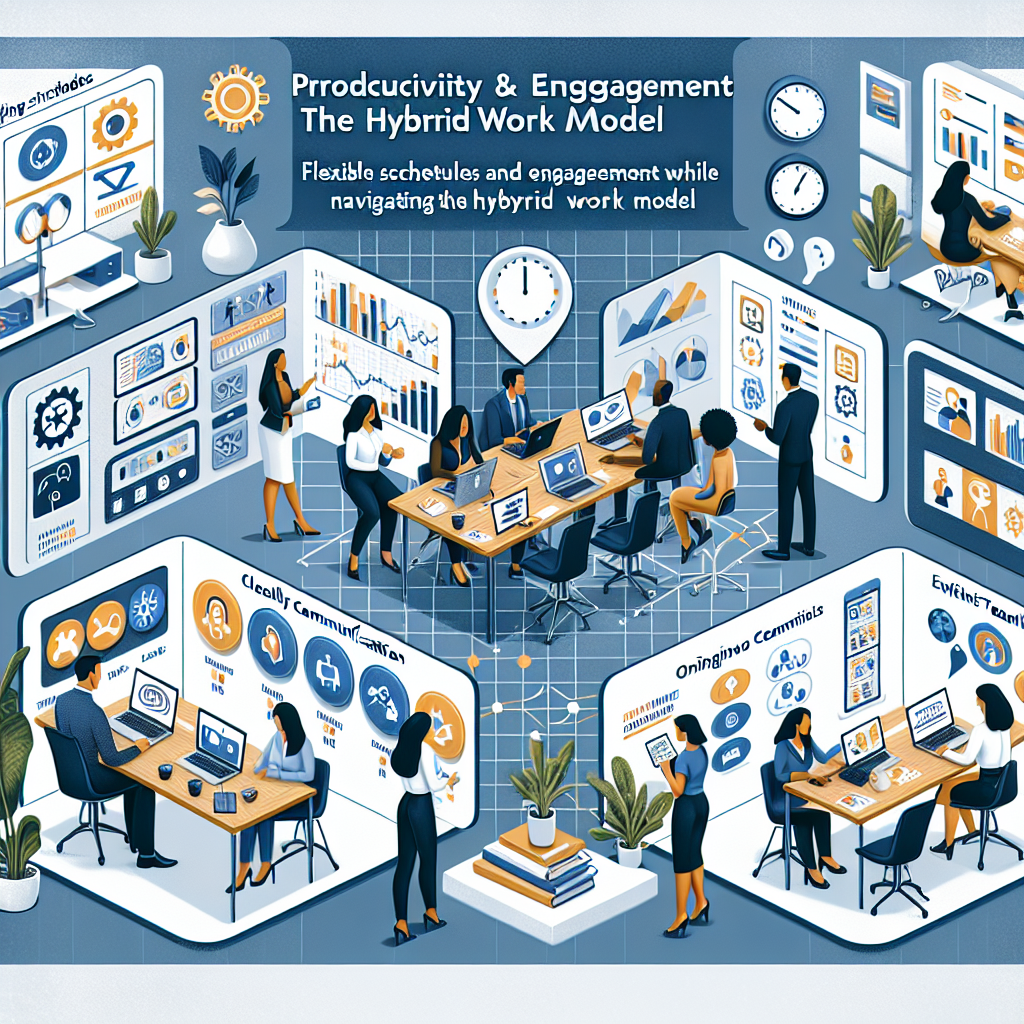
Navigating the Hybrid Work Model: Strategies for Productivity and Engagement
The rapid evolution of workplace norms has led organizations worldwide to embrace the hybrid work model—a thoughtful blend of remote and in-office schedules. While this approach offers the promise of flexibility and greater work-life balance, it also introduces unique challenges for keeping teams productive, engaged, and connected. As companies chart a path forward, adopting intentional strategies is key to making hybrid work successful for both employees and employers.
Understanding the Hybrid Work Model
A hybrid work model allows employees to split their time between working at the office and working remotely. This flexibility accommodates diverse work preferences and can boost job satisfaction, but it also requires new ways of thinking about collaboration, communication, and performance. The success of a hybrid environment hinges on how well organizations support employees and redefine their approach to work.
Strategies for Maintaining Productivity
-
1. Clear Communication Guidelines
Establishing clear expectations around communication helps prevent misunderstandings. Decide which channels (such as email, instant messaging, or project management tools) should be used for different types of communication and set norms for response times. -
2. Outcome-Oriented Goals
Shift the focus from hours worked to results achieved. Setting clear, measurable objectives empowers employees to manage their own schedules while staying aligned with the organization’s priorities. -
3. Smart Scheduling
Coordinate in-office days for collaborative tasks and save focused, individual work for remote days. Regular team check-ins can help balance workloads and catch issues early, regardless of where team members are working. -
4. Leverage Technology
Invest in reliable digital tools for project management, video conferencing, and real-time collaboration. Training employees to use these tools efficiently ensures everyone stays productive when apart. -
5. Protect Deep Work Time
Encourage blocking off time for uninterrupted work and discourage unnecessary meetings. Respecting each other’s time, whether in office or remote, is vital for maintaining productivity.
Fostering Engagement in a Dispersed Workforce
Hybrid work isn’t just about logistics—it’s about maintaining strong connections among team members. Engagement is essential to prevent feelings of isolation and to reinforce organizational culture.
-
1. Inclusive Decision-Making
Ensure all employees, regardless of location, have a voice in meetings and decision-making. Adopt a “remote-first” approach by defaulting to video calls for hybrid meetings and using tools like virtual whiteboards to level the playing field. -
2. Cultivate Informal Interactions
Schedule regular virtual coffee breaks, team-building activities, or interest-based chat channels. These non-work interactions help sustain camaraderie and morale. -
3. Recognize and Celebrate Achievements
Acknowledge contributions publicly through shout-outs in company communications or dedicated channels. Even small wins deserve recognition to boost motivation and belonging. -
4. Provide Growth Opportunities
Offer access to virtual learning, mentoring, and career development resources. Investing in people’s growth demonstrates that engagement goes beyond the daily tasks. -
5. Check in Regularly
Make regular one-on-one check-ins a priority. These conversations offer a space to discuss workloads, challenges, and career goals, helping employees feel valued and supported.
Overcoming Common Hybrid Work Challenges
While the benefits of a hybrid model are numerous, there are potential pitfalls to address:
- Proximity Bias: Leaders may unconsciously favor in-office workers. Counter this by tracking progress based on measurable outcomes, not presence, and ensuring equal access to opportunities and information.
- Coordination Complexities: Scheduling meetings across distributed teams can be tricky. Use shared calendars and establish “core collaboration hours” when most people are available.
- Technology Fatigue: Too many tools and digital interactions may lead to burnout. Streamline tech stacks to avoid overload and encourage regular screen breaks.
Leadership’s Role in Hybrid Success
Leaders set the tone for hybrid work culture. Being transparent about business goals, modeling flexibility, and supporting open dialogue are essential. Solicit feedback regularly to refine hybrid strategies and demonstrate a commitment to continuous improvement.
Conclusion
Adopting a hybrid work model is a journey, not a destination. With thoughtful planning, open communication, and a focus on outcomes and engagement, organizations can harness the best of both worlds—productivity and flexibility alongside a connected, motivated workforce. By navigating these changes proactively, businesses and employees alike can thrive in the new world of work.
* The post is written by AI and may contain inaccuracies.
About Author