How AI is Transforming Customer Service in 2025
How AI is Transforming Customer Service in 2025
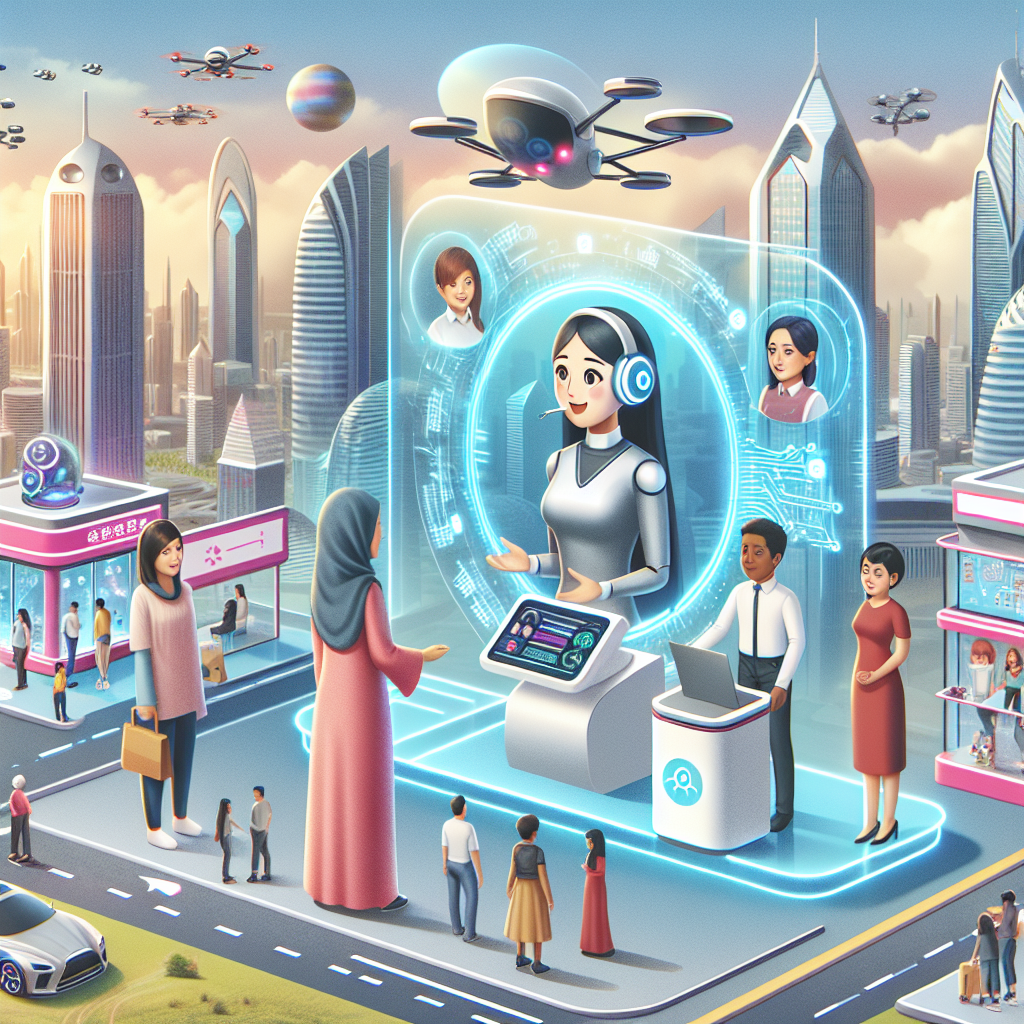
In just a few years, artificial intelligence (AI) has evolved from an experimental tool to a core component of how companies serve their customers. In 2025, AI is no longer just a chatbot on a website; it’s an intelligent ecosystem that redefines customer-service experiences. Here’s a closer look at how AI technologies are transforming customer service in 2025—and what that means for businesses and consumers alike.
Hyper-Personalized Support
Today’s AI-driven customer service systems possess advanced natural language processing (NLP) and deep learning capabilities. These systems use a customer’s purchase history, preferences, previous interactions, and even real-time emotional analysis to provide hyper-personalized experiences. In 2025, AI “remembers” you: it greets you by name, recognizes your usual complaints, proactively suggests solutions, and adapts its tone depending on your mood. This level of personalization was unimaginable just a few years ago.
Omnichannel Integration Like Never Before
Companies in 2025 are leveraging AI to create seamless service across every channel—social media, messaging apps, phone, email, and even voice assistants. If a customer starts an inquiry on live chat and follows up with a call, the AI recognizes the conversation, recalls context, and continues without repeating basic questions. This frictionless experience has dramatically increased customer satisfaction and brand loyalty.
24/7 Instantaneous Responses
Modern AI doesn’t sleep. Businesses now offer truly 24/7 customer service, as virtual agents handle inquiries at any hour, in any language. These bots are far more sophisticated than their predecessors, resolving not only FAQs but also complex troubleshooting and even handling refunds or escalations. For issues requiring a human touch, AI routes the case to the right agent—armed with all the necessary background and suggested solutions. This efficiency reduces wait times and frees up human staff for specialized support.
Proactive Problem Solving
The AI-driven future is proactive, not just reactive. Companies can now spot issues before customers even contact support. For example, predictive analytics monitor product health and usage patterns, flagging likely points of friction. Did your smart device go offline or your account show suspicious activity? The AI reaches out before you notice, offering a solution or reassurance. This “predict and prevent” approach builds trust and reduces incoming support volume.
Voice AI and Multimodal Communication
Voice AI has grown exponentially. Customers now interact with companies through smart speakers, automotive assistants, and advanced IVR (Interactive Voice Response) systems. AI processes not just what customers say, but how they say it—detecting stress or confusion. Visual and text-based tools are also integrated, so customers can share pictures, videos, or written explanations in a single conversation flow. This multimodal support expands accessibility and user-friendliness for everyone.
Empowering Human Agents
While automation is at the forefront, human agents remain essential—especially for nuanced or sensitive issues. AI assists these agents with real-time data, sentiment analysis, automated note-taking, and recommended responses. New training platforms powered by AI simulate real-world scenarios for agents, making onboarding faster and boosting confidence. This AI-empowered workforce is more effective, empathetic, and motivated.
Stronger Data Security and Privacy
In 2025, trust is paramount. AI systems are built with advanced encryption, multi-factor authentication, and federated learning—ensuring that customer data is secure and private. Transparency tools allow customers to see how their data is used and opt out with ease. This responsible approach keeps companies compliant with evolving regulations like the EU’s AI Act and earns customer confidence.
AI for Continuous Improvement
Another transformation is the use of AI analytics to continuously measure and improve service. Sophisticated feedback loops identify recurring issues, customer sentiments, and agent performance patterns. This data-driven approach lets businesses refine self-service resources, optimize workflows, and predict future customer needs—creating a cycle of ongoing improvement.
The Human Touch Remains
With all these innovations, the best AI deployments don’t eliminate the human touch—they enhance it. Automated systems handle the routine, freeing human agents for empathy, creativity, and relationship-building. Customers retain the confidence that, at any point, a caring person is available to help—backed by powerful AI for the best possible outcome.
Is Your Business Ready?
In 2025, AI in customer service isn’t just a competitive edge—it’s an expectation. To stay ahead, businesses must invest in the right technology, prioritize data ethics, and retrain staff to partner seamlessly with AI. Those who do will deliver faster, smarter, and more human customer experiences—setting the standard for years to come.
* The post is written by AI and may contain inaccuracies.
About Author