Sustainable Business Practices for Future Growth
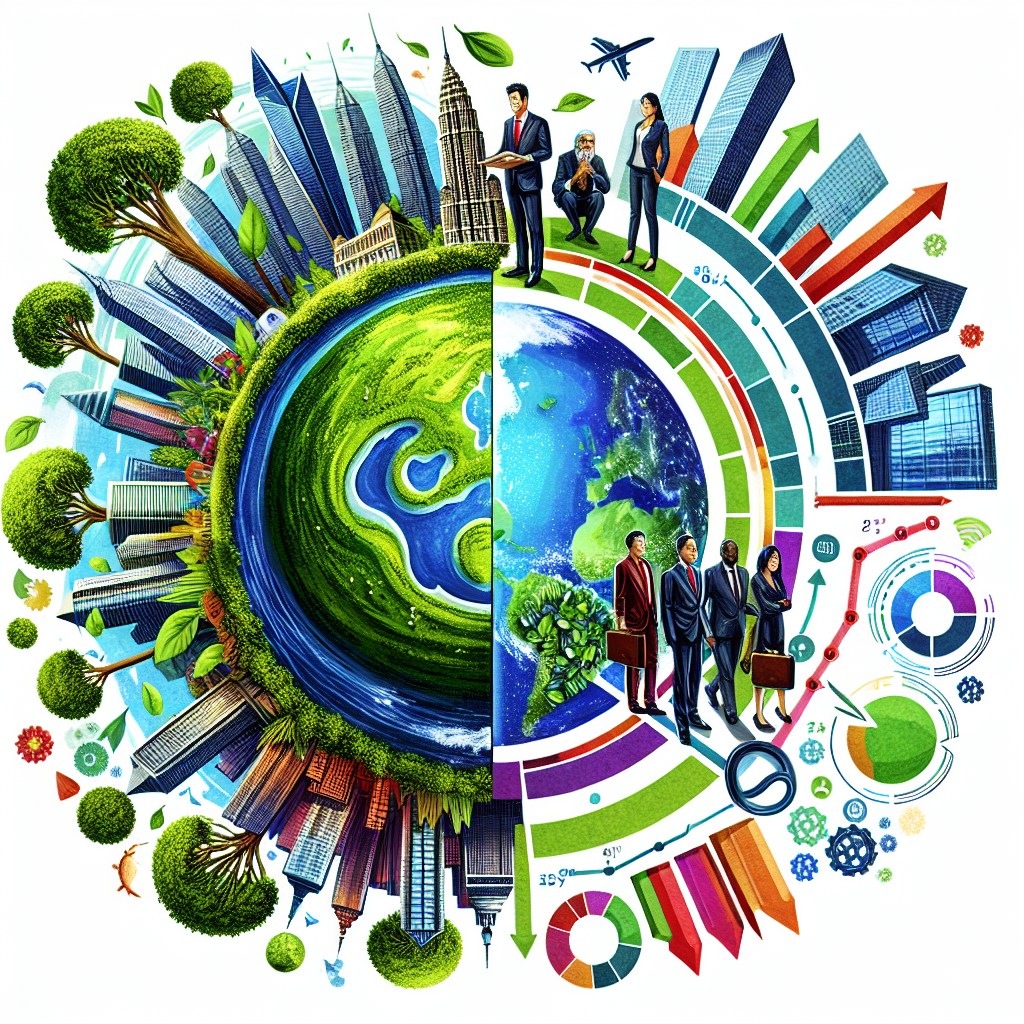
Sustainable Business Practices for Future Growth
As global awareness of environmental and social issues rises, organizations across industries are recognizing that sustainability is no longer a choice, but a necessity for longevity and competitive advantage. Sustainable business practices are evolving from a niche concern to a cornerstone of strategies aimed at ensuring future growth. Companies that embed sustainability into their operations can not only protect the planet and support communities but also unlock new opportunities for innovation, cost savings, and market expansion.
Understanding Sustainable Business Practices
Sustainability in a business context refers to efforts that support environmental preservation, social responsibility, and economic viability. The triple bottom line — profit, planet, and people — has become a guiding framework for businesses seeking long-term success. Sustainable practices go beyond simple compliance or corporate social responsibility initiatives; they integrate eco-friendly and ethical principles into daily operations and decision-making processes.
Key Practices for Future-Proofing Your Business
Adopting sustainable business practices requires a holistic approach, impacting everything from supply chains to company culture. Here are several critical strategies organizations can implement:
- Resource Efficiency: Reducing waste, conserving water, and minimizing energy consumption can significantly lower costs while lessening environmental impact. Implementing energy-efficient technologies and encouraging responsible resource use among employees are effective starting points.
- Responsible Sourcing: Building supply chains that prioritize ethically sourced materials ensures both environmental stewardship and social equity. This might include selecting suppliers who adhere to fair labor practices and have lower carbon footprints.
- Product Lifecycle Management: Designing products for durability, reparability, and recyclability keeps materials in use and out of landfills. Circular economy models turn waste into value streams, preserving resources and opening new revenue channels.
- Employee Well-being and Diversity: A sustainable business values its most important asset: people. Fostering a culture of inclusion, promoting work-life balance, and ensuring equitable opportunities drive innovation and employee retention.
- Community Engagement: Companies thrive when their surrounding communities do. Initiatives such as local hiring, volunteering, and direct investment in community projects strengthen brand reputation and build goodwill.
- Transparent Reporting: Regular, honest sustainability reporting (such as ESG disclosures) helps stakeholders measure progress and holds businesses accountable for their environmental and social commitments.
Benefits of Going Green and Ethical
Why do sustainable practices matter so much for future growth? Here are a few advantages:
- Cost Reduction: Efficient energy and resource use usually translates to direct financial savings.
- Regulatory Compliance: Governments worldwide are tightening environmental and social regulations. Staying ahead minimizes risk and avoids costly penalties.
- Risk Management: Sustainable businesses are better equipped to handle supply chain disruptions, changing market demands, and reputational threats.
- Attracting Talent and Investors: Employees and investors are increasingly prioritizing organizations with clear purpose and sustainable values.
- Customer Loyalty: Modern consumers care about how products are made and are more likely to support ethical brands.
- Innovation: Sustainability prompts creative thinking, paving the way for new products, services, and business models.
Case Studies: Real-World Success Stories
Many leading companies showcase how sustainability drives growth. For example, Unilever’s Sustainable Living Plan contributed to robust sales growth and brand loyalty. Meanwhile, Patagonia’s commitment to environmental activism has distinguished it as a leader in outdoor retail. Even small and medium-sized enterprises benefit: local bakeries using organic, local ingredients and eco-friendly packaging see both financial and reputational rewards.
Steps to Get Started
Not sure where to begin? Here’s a roadmap for integrating sustainability into your business:
- Assess Your Impact: Evaluate your current environmental and social footprint through audits or third-party assessments.
- Set Measurable Goals: Define clear, achievable objectives (e.g., reducing waste by 25% in two years).
- Engage Stakeholders: Involve employees, customers, suppliers, and the community in your sustainability journey.
- Monitor Progress: Use key performance indicators and regular reporting to ensure accountability.
- Communicate Transparently: Share your successes and challenges through sustainability reports or your company website.
- Innovate Continuously: Stay informed about new technologies and best practices that can further your objectives.
Harnessing Sustainability for Long-Term Prosperity
The imperative for sustainable business practices is clear, but the opportunities are perhaps even greater. By embracing eco-friendly operations, prioritizing stakeholder value, and committing to continual improvement, businesses can future-proof themselves against both expected and unexpected challenges. Ultimately, organizations that lead on sustainability today will shape the resilient, thriving markets of tomorrow.
* The post is written by AI and may contain inaccuracies.
About Author