How AI is Disrupting Traditional Industries
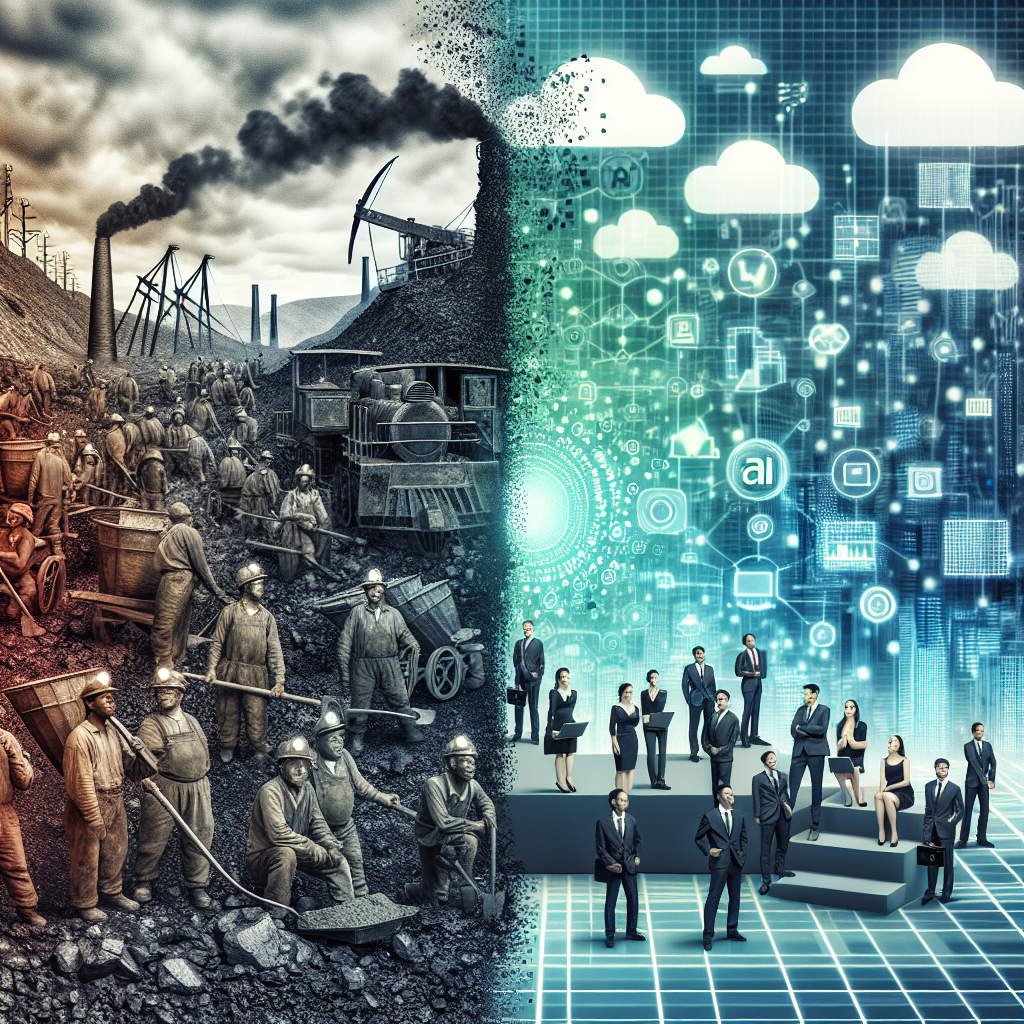
How AI is Disrupting Traditional Industries
Artificial Intelligence (AI) has moved from the realm of science fiction into the core of business operations across the globe. With advances in machine learning, data analysis, and automation, AI is shaking the foundations of industries that have long relied on traditional methods. In this article, we’ll explore how AI is disrupting various sectors, driving efficiency, uncovering new opportunities, and forcing entire industries to rethink their business models.
Revolutionizing Manufacturing
Manufacturing was among the first industries to feel the effects of AI-driven automation. Smart robots and computer vision systems now handle assembly lines with greater precision and fewer errors than human workers. Predictive maintenance, powered by AI, monitors equipment health in real time, reducing downtime and saving millions in repair costs.
But the disruption goes beyond the shop floor. AI-driven demand forecasting enables manufacturers to optimize their inventory, minimizing costs while meeting customer needs more effectively. This systemic shift is redefining roles within manufacturing, requiring workers to embrace new skills and collaborate with intelligent machines.
Transforming Healthcare
AI’s influence on healthcare is profound. Machine learning models can diagnose diseases, such as cancers and cardiac conditions, with accuracy rivaling – or even surpassing – experienced professionals. AI-driven chatbots triage patient queries, freeing up doctors’ time and speeding up care.
Additionally, AI is streamlining administrative tasks, from scheduling to billing, reducing overhead, and minimizing errors. Pharma companies leverage AI for drug discovery, compressing years of research into months. As AI continues to learn from new data, we can expect more personalized medicine and improved patient outcomes.
Disrupting Finance and Banking
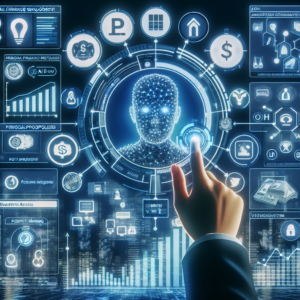
Financial services have always relied on data, but AI is now unlocking new dimensions of insight. Robo-advisors provide personalized investment strategies for retail clients. AI-powered algorithms evaluate credit risk more accurately, allowing banks to make smarter lending decisions.
In fraud detection, AI analyzes transactions in real-time, identifying suspicious activity before it causes issues. This not only mitigates risk but also improves customer confidence. Automation of back-office functions, such as compliance and reporting, further drives cost savings and efficiency.
Reshaping Retail
From personalized recommendations to dynamic pricing, AI is redefining the customer experience in retail. E-commerce giants like Amazon employ AI-powered systems that suggest products based on browsing patterns, increasing sales and customer satisfaction. In physical stores, computer vision helps monitor inventory and assist with loss prevention.
AI-driven supply chain management means goods get from warehouse to customer faster than ever before. Retailers using AI can forecast trends, shorten delivery times, and maintain optimal stock levels – all of which give them a competitive edge in a crowded marketplace.
Automating Transportation and Logistics
Transportation is undergoing rapid AI transformation thanks to autonomous vehicles, route optimization, and predictive analytics. Logistics companies use AI to analyze traffic patterns, weather, and other variables to optimize delivery routes, saving time, reducing fuel consumption, and lowering emissions.
Self-driving trucks and drones, once seen as futuristic concepts, are now being piloted by major corporations for last-mile delivery. As AI continues to advance, expect even deeper disruption in freight, shipping, and urban mobility solutions.
Impact on Jobs and Skills
A common concern surrounding AI disruption is the impact on jobs. While automation can replace repetitive tasks, it also creates opportunities for new kinds of work. Roles in AI development, data management, and robotics are on the rise. At the same time, existing professions are evolving, with workers expected to collaborate alongside intelligent systems.
Continuous learning and upskilling will be essential for employees to stay relevant. Businesses and governments must invest in training programs to prepare the workforce for these new demands, ensuring that AI’s benefits are widely shared.
Looking Ahead
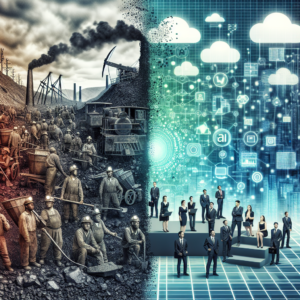
The disruption caused by AI shows no signs of slowing down. As technology accelerates, traditional industries must adapt or risk obsolescence. Organizations that proactively integrate AI will not only survive but thrive, benefiting from increased efficiency, sharper insights, and new business models.
In summary, AI is disrupting long-established ways of doing business, forcing industries to innovate and evolve at an unprecedented pace. For leaders and professionals alike, now is the time to embrace AI, harness its power, and prepare for the future it is rapidly creating.
* The post is written by AI and may contain inaccuracies.
About Author