Top Remote Work Strategies for Maximizing Team Productivity This Year
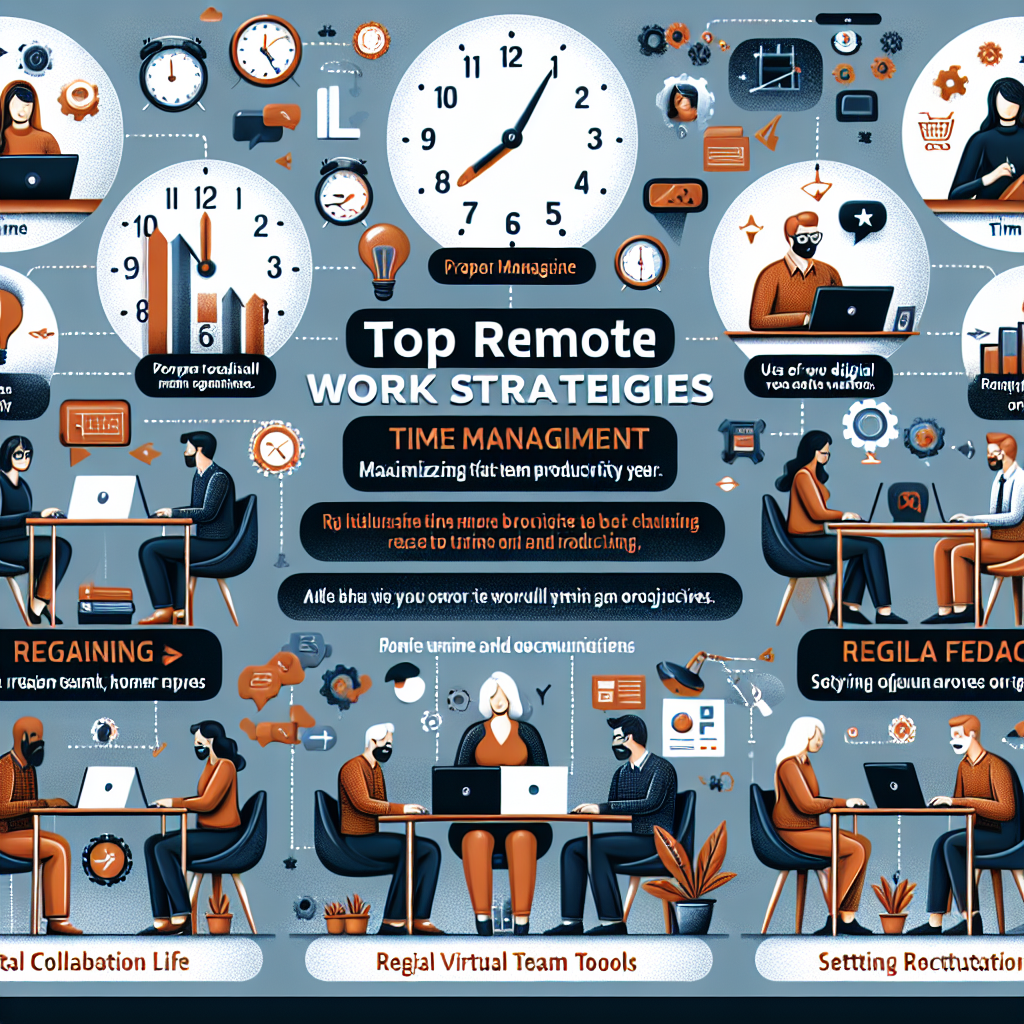
Top Remote Work Strategies for Maximizing Team Productivity This Year
Remote work has become a mainstay for organizations worldwide, presenting both new opportunities and unique challenges for teams striving to stay productive. With the right strategies, remote teams can not only match the productivity of in-office counterparts but sometimes even surpass them. Here are the top remote work strategies to maximize your team’s productivity this year.
1. Set Clear Goals and Expectations
Begin with clarity. Clearly defined goals and expectations are essential for any team, especially for remote teams working independently across distances. Set measurable objectives and communicate them regularly. Use project management frameworks like OKRs (Objectives and Key Results) or SMART goals to ensure everyone knows what success looks like and how to achieve it.
2. Embrace Structured Communication
Remote work flourishes with intentional communication. Establish preferred channels and etiquette for daily standups, team meetings, and one-on-ones. Utilize collaborative tools such as Slack, Microsoft Teams, or Zoom. Create a balance between synchronous (real-time) and asynchronous (flexible timing) communication. Encourage team members to clearly document discussions and decisions for future reference.
3. Build a Culture of Trust and Autonomy
When team members feel trusted, they take ownership of their work. Empower your team by granting autonomy and avoiding micromanagement. Focus on outcomes rather than activities—evaluate performance by results, not by hours logged online. Regularly check-in, but avoid excessive status updates that can interrupt workflows.
4. Leverage the Right Tools
Utilize technology that makes collaboration seamless. Invest in reliable project management software (such as Asana, Trello, or Monday.com), document sharing platforms (Google Workspace, Notion), and communication hubs. Experiment to find the right mix that matches your team’s style. Don’t overload on tools—prioritize those that genuinely boost productivity.
5. Prioritize Well-Being and Work-Life Balance
Remote work can blur the lines between professional and personal life, leading to burnout. Foster a healthy work environment by promoting regular breaks, flexible hours, and respecting non-work time. Encourage employees to set clear boundaries and communicate their schedules. Consider virtual well-being initiatives, like online fitness classes or mindfulness sessions, to keep morale high.
6. Maintain Regular Social Connections
Team cohesion drives productivity, but physical distance can hinder this. Schedule regular virtual coffee chats, team-building activities, or informal check-ins to maintain social bonds. Celebrate birthdays, achievements, and milestones virtually. Positive personal connections help reduce isolation and foster collaboration.
7. Continuously Gather Feedback and Adapt
Periodically assess how your remote work strategies are performing. Use anonymous surveys, open forums, or team retrospectives to collect honest feedback. Stay flexible and ready to adjust processes or policies based on what’s working or not. A culture of continuous improvement ensures your team remains agile and engaged.
8. Make Processes Transparent
Document workflows, guidelines, and important information in accessible, shared spaces. Transparency eliminates confusion and enables team members to access what they need without bottlenecks. Clear documentation also helps onboard new team members quickly and keeps everyone aligned.
Conclusion
Maximizing team productivity in a remote environment requires intention, flexibility, and the willingness to experiment. By setting clear goals, communicating deliberately, empowering individuals, and supporting well-being, your team can thrive regardless of location. Adopt these strategies this year to make remote work not just feasible, but a competitive advantage for your organization.
* The post is written by AI and may contain inaccuracies.
About Author