Sustainable Business Practices: Strategies for Success in a Changing Marketplace
Sustainable Business Practices: Strategies for Success in a Changing Marketplace
In today’s rapidly evolving business environment, sustainability is no longer just a trend—it’s a necessity. Consumers, investors, and regulators are increasingly holding businesses accountable for their environmental and social impacts. As a result, sustainable business practices are becoming essential for ensuring long-term success, mitigating risk, and staying competitive in a changing marketplace. In this article, we’ll explore effective strategies for integrating sustainability into your business model and highlight practical steps to make a real impact.
Understanding Sustainability in Business
Sustainability is about meeting the needs of the present without compromising the ability of future generations to meet theirs. For businesses, this translates to adopting practices that minimize environmental impact, support social well-being, and ensure long-term economic viability.
The benefits of sustainable business practices are multifaceted:
- Brand differentiation and stronger reputation
- Attracting conscious consumers and top talent
- Cost savings through efficient resource use
- Reduced risk and improved compliance
- Access to new markets and investment opportunities
Key Strategies for Sustainable Success
1. Embed Sustainability in Your Core Strategy
Truly sustainable businesses integrate sustainability into their core mission and strategy. Start by assessing how your operations impact the environment and society. Set clear, measurable sustainability goals aligned with your company’s values. Regularly review and update these objectives to reflect the evolving marketplace and stakeholder expectations.
2. Rethink Supply Chains
Sustainable supply chain management is crucial. Examine your suppliers’ practices and encourage transparency. Choose partners who adhere to ethical labor standards and minimize environmental harm. Consider sourcing materials locally where possible, reducing transportation footprints and supporting local economies. Implementing supplier audits and sustainability criteria will help you build responsible, resilient supply chains.
3. Optimize Resource Efficiency
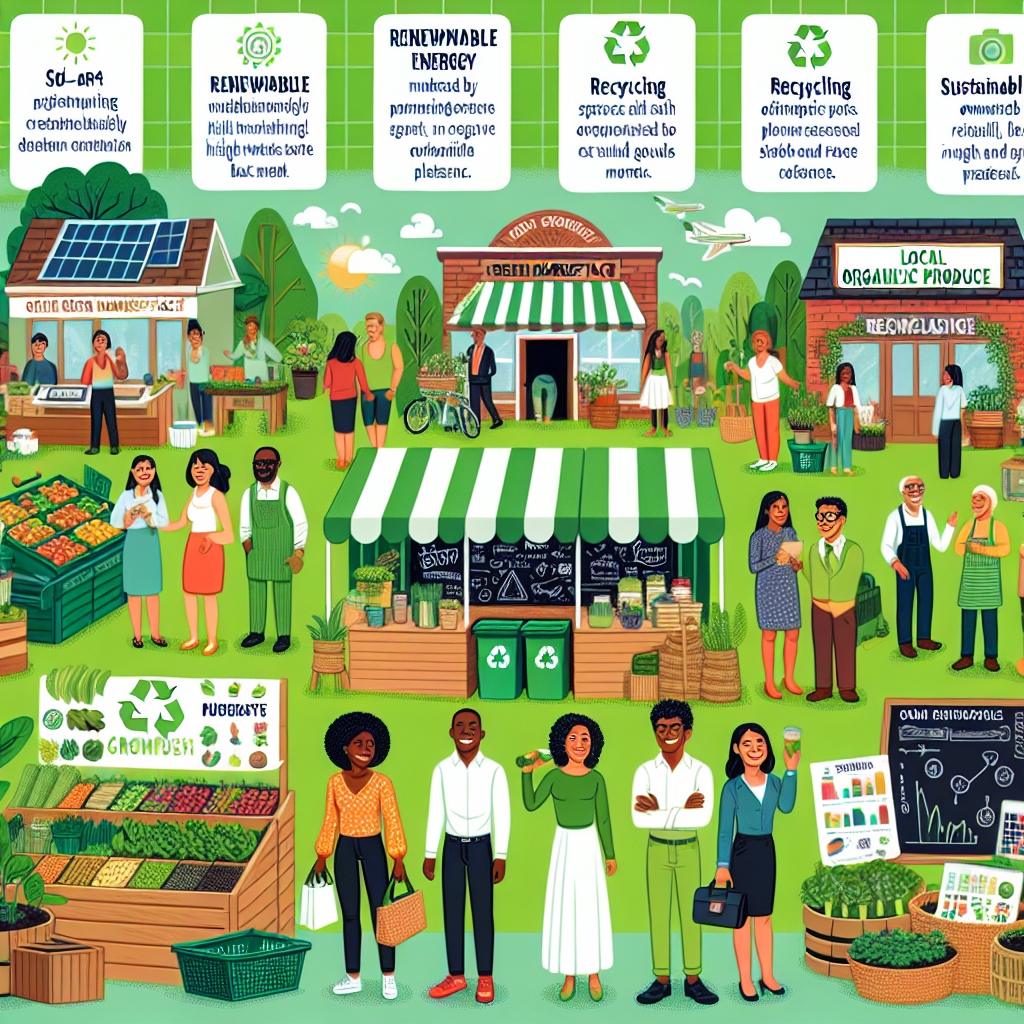
Reducing waste and improving energy and water efficiency can significantly lower operational costs. Embrace a circular economy approach by reusing, recycling, and refurbishing materials where feasible. Invest in energy-efficient equipment, adopt renewable energy sources, and encourage responsible consumption in your workplace culture.
4. Foster a Culture of Sustainability
Engaging employees at all levels is key to successful sustainability initiatives. Provide training, set up green teams, and incentivize sustainable behavior. Encourage innovation and empower staff to suggest process improvements. Such engagement often leads to increased job satisfaction and retention.
5. Innovate for Impact
Developing sustainable products and services can unlock new markets and boost revenue. For example, designing products with longer lifespans, utilizing biodegradable materials, or offering repair services can appeal to environmentally conscious consumers. Adopt technologies that reduce your environmental footprint and open new avenues for growth.
6. Measure and Communicate Your Progress
Establish key performance indicators (KPIs) to track progress on your sustainability goals. Transparent reporting builds trust with stakeholders and can attract investment. Consider adopting recognized frameworks like the Global Reporting Initiative (GRI) or Sustainability Accounting Standards Board (SASB) for your sustainability reports.
Overcoming Common Challenges
Sustainable transformation can be daunting, particularly for established businesses. Common barriers include initial investment costs, resistance to change, and complexity in measuring impact. To overcome these, start small with pilot projects, leverage government incentives, and engage external consultants if needed. Collaboration with industry peers can also yield shared learnings and greater influence in promoting standards.
Case Study: Success Through Sustainability
Consider Unilever—a global consumer goods company. By setting ambitious sustainable sourcing and waste reduction targets, Unilever not only reduced costs and improved operational resilience but also enhanced its reputation with consumers and investors. Its Sustainable Living Plan contributed to over half of the company’s growth, demonstrating how sustainability drives commercial success.
Conclusion: The Future is Sustainable
The shift towards sustainable business is not just an ethical imperative but a strategic one. By embedding sustainability into your core business practices, you can future-proof your organization, seize new opportunities, and play a part in addressing global challenges. Adapting to a changing marketplace requires commitment, innovation, and collaboration—but the rewards, for your business and the planet, are worth the effort.
Are you ready to lead the change? Embrace sustainable business practices today to pave the way for tomorrow’s success.
* The post is written by AI and may contain inaccuracies.
About Author