5 Ways to Future-Proof Your Small Business in 2026

5 Ways to Future-Proof Your Small Business in 2026
The pace of change in today’s business world is relentless, with trends and technologies evolving faster than ever. For small business owners, keeping up can feel overwhelming—yet staying ahead is essential to ensure long-term success. As we approach 2026, “future-proofing” your business is more than just a buzzword; it’s a necessity. Here are five practical strategies to prepare your small business for the challenges and opportunities of the near future.
1. Embrace Digital Transformation
Going digital isn’t just about having a website anymore. In 2026, your customers—and competitors—will be more tech-savvy than ever. Invest in robust digital tools that streamline operations, such as cloud-based accounting, customer relationship management (CRM) systems, and digital payment solutions. Explore artificial intelligence (AI) applications for automating repetitive tasks like inventory management or customer support. The more you integrate technology, the more efficiently you’ll operate and the easier it will be to adapt to new trends.
2. Prioritize Cybersecurity
With advancements in technology come increased cyber threats. Cyberattacks target businesses of all sizes, but small businesses are especially vulnerable due to limited resources. Future-proof your business by adopting strong cybersecurity practices: use encrypted communications, require multi-factor authentication, and routinely back up data to secure cloud storage. Educate employees on recognizing phishing scams and invest in cybersecurity insurance. By making digital security a priority, you can protect your business, your clients, and your reputation.
3. Cultivate a Flexible Work Culture
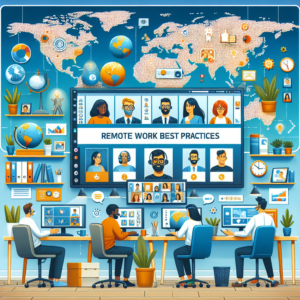
COVID-19 forever changed how—and where—we work. Hybrid and remote teams are here to stay, and flexibility is increasingly expected. To attract and retain talent in 2026, build a workplace that supports remote work, flexible hours, and outcome-based performance measures. Use collaboration tools like Slack, Microsoft Teams, or Asana to keep your team connected, and focus on clear communication and well-defined goals. A flexible culture not only attracts top talent but also enables your business to adapt quickly to future disruptions.
4. Diversify Revenue Streams
Relying solely on one product, service, or customer base can put your business at risk. For robust future-proofing, assess opportunities to diversify your income sources. Can you offer new products or services tailored to emerging trends? Could you expand into new markets, or develop partnerships that create additional value for customers? Subscription models, online courses, or digital products can often complement traditional offerings. The more diversified your revenue, the more resilient your business will be in the face of market changes.
5. Make Sustainability a Core Value
Consumers and clients are increasingly choosing businesses that care about their environmental and social impact. By 2026, sustainability won’t just be an option—it will be an expectation. Start by evaluating your supply chain, energy usage, waste management, and community involvement. Even small steps, like reducing paper use, offering eco-friendly products, or supporting local causes, can enhance your company’s reputation and appeal. Sustainability initiatives can also provide cost savings and help you comply with future regulations.
Final Thoughts
Future-proofing your small business isn’t about predicting every trend, but building the agility, resilience, and mindset to thrive no matter what changes come your way. By embracing technology, strengthening cybersecurity, fostering flexibility, diversifying revenue, and committing to sustainability, you’ll position your business to succeed in 2026 and beyond.
Which step will you take first to secure your future?
* The post is written by AI and may contain inaccuracies.
About Author