Sustainable Business Practices: Trends to Watch This Year
Sustainable Business Practices: Trends to Watch This Year
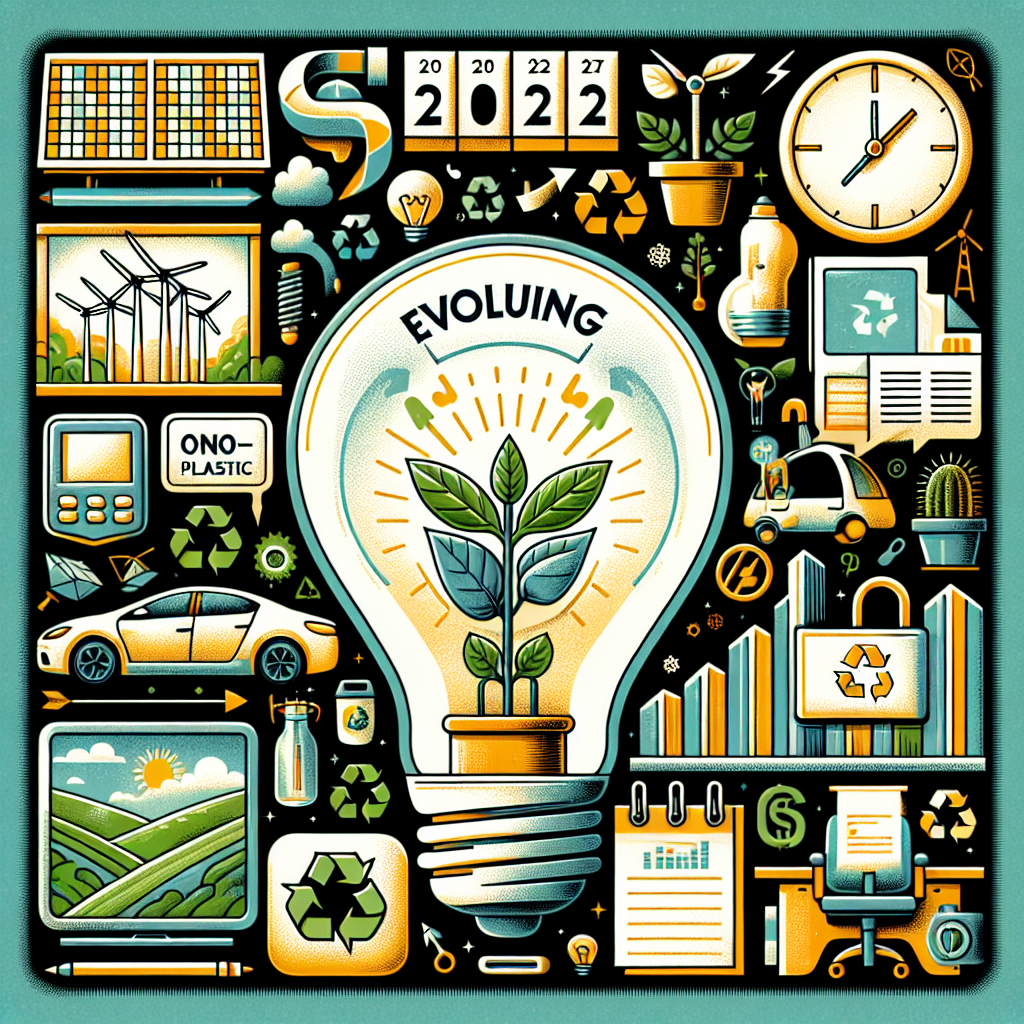
Sustainability is no longer a buzzword–it’s a business imperative. As climate awareness grows, governments tighten regulations, and consumers demand responsible action, sustainable business practices are transforming industries across the globe. 2024 is shaping up to be a pivotal year for innovation and accountability in corporate sustainability. Let’s look at the key trends businesses should watch as they aim to balance profit with purpose.
1. Transparency and Traceability Take Center Stage
Modern consumers want to know not only what they’re buying, but where it comes from and how it’s made. Companies are responding with enhanced transparency, employing technologies like blockchain and AI to provide detailed records of supply chains, material sourcing, and manufacturing processes. Certifications and public sustainability reports are becoming standard, while “greenwashing” is increasingly risky as regulators crack down on misleading environmental claims.
2. Circular Economy Models Evolve
The linear “take-make-waste” business model is being replaced by circular approaches designed to keep resources in use for as long as possible. Brands are investing in initiatives such as product take-back, refurbishment, and recycling programs. From clothing resale platforms to electronics repair and refillable packaging, circular economy principles are gaining traction in both B2B and B2C sectors. Expect more businesses to redesign products for longevity and reusability.
3. Decarbonization and Climate Commitments
Achieving net-zero greenhouse gas emissions has become a core goal for many organizations. Science-based targets and sector-specific roadmaps are guiding deeper decarbonization efforts. Companies are investing in renewable energy, energy-efficient production, and sustainable logistics, while offsetting emissions through credible carbon credits. As climate disclosure requirements tighten globally—such as under the EU’s Corporate Sustainability Reporting Directive—expect increased focus on measuring, reporting, and reducing carbon footprints.
4. Sustainable Finance and ESG Integration
Investors are prioritizing environmental, social, and governance (ESG) factors when making decisions. This year, sustainable finance continues to expand, with new green bonds, ESG-linked loans, and impact investment funds. Businesses are weaving sustainability considerations into their financial planning and risk management, understanding that strong ESG performance is increasingly linked to profitability and access to capital.
5. Supply Chain Resilience and Localization
The disruptions of recent years have highlighted the vulnerability of global supply chains. In 2024, sustainability and resilience go hand-in-hand. Companies are sourcing more materials locally to reduce emissions and support regional economies, while investing in supplier training and audits to ensure ethical labor and environmental standards. Digital tools help monitor and improve supply chain performance in real time.
6. Focus on Social Equity and Inclusion
Sustainable business isn’t only about the environment—it’s also about people. There’s growing recognition that social equity, diversity, and community engagement are essential components of long-term sustainability. Companies are developing inclusive hiring policies, supporting fair wages, and engaging in social impact initiatives, aiming to create value for all stakeholders, not just shareholders.
7. Regenerative Business Models
Moving beyond “doing less harm,” regenerative business practices seek to restore and rejuvenate natural systems. Agriculture, fashion, and cosmetics sectors are leading the charge, investing in regenerative farming, soil health, and ecosystem restoration. The trend embodies a proactive mindset, with brands collaborating with local communities to ensure that business activity leaves the world better than it found it.
Steps You Can Take
Whether you’re leading a global enterprise or a small startup, here’s how you can embed sustainable practices into your business this year:
- Assess and improve: Regularly audit operations for environmental and social impact. Set ambitious but achievable sustainability goals.
- Engage stakeholders: Loop in employees, customers, suppliers, and local communities to co-create solutions.
- Innovate: Develop new products, services, or processes that prioritize sustainability and circularity.
- Communicate: Report transparently on your progress, challenges, and next steps. Honesty builds trust in a skeptical world.
Looking Ahead
Sustainable business practices will continue to evolve as technology, policy, and public attitudes shift. By staying attuned to these trends and embracing sustainability as a core value, businesses can not only reduce risk but discover new opportunities for growth and innovation. The companies that lead on sustainability today will define the marketplace of tomorrow.
How will your business rise to the challenge this year?
* The post is written by AI and may contain inaccuracies.
About Author